Mexico City – The historic grounds of the Los Pinos Cultural Center filled with music, color and regional flavor this weekend as the Baja California cultural expo Los Pinos opened in a spirited celebration of the northwestern state’s living traditions. The two-day “Baja California en Los Pinos” exhibition brought artists, performers and food artisans from the peninsula to the capital, drawing large crowds and a clear message about cultural connection.
The inauguration ceremony saw Baja California’s Secretary of Culture, Alma Delia Ábrego Ceballos, formally open the expo with a ribbon-cutting attended by government officials, cultural advocates and curious residents. Ábrego Ceballos framed the event as proof that regional identity is not static or distant, but active and present in the national conversation. She tied the showcase to 2025’s official designation as the Year of the Indigenous Woman, saying the exhibition honors those women by lifting up their crafts, stories and traditions.
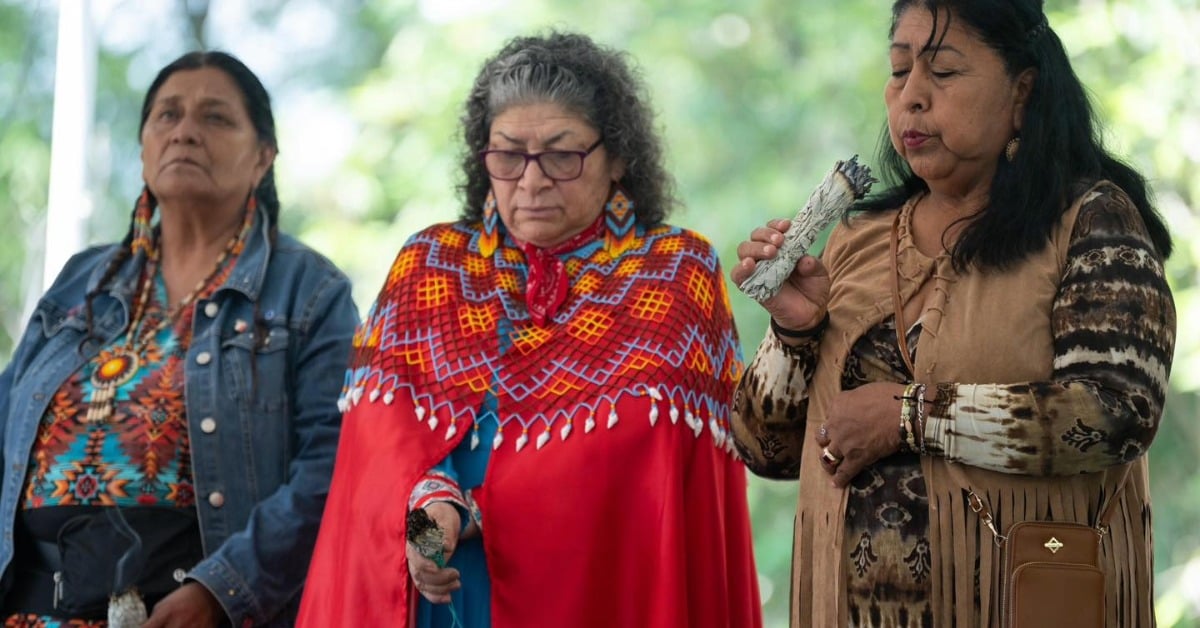
Residents and visitors flowed through the Plaza de las Jacarandas, stopping to watch traditional kumiai and pa ipai dance troupes, browse photography exhibitions of Baja California’s diverse landscapes and communities, and sample regional dishes. The expo layered indigenous heritage with contemporary expressions: alongside modern paintings and installations were Yumana artisan crafts, offering a tangible link between past and present.
Baja California cultural expo Los Pinos highlighted food as culture, with areas serving grilled fish, birria de conejo and pours from award-winning Baja wineries. The scent of regional cuisine mixed with the rhythms of rock concerts and folkloric music, creating a festival atmosphere that underscored the state’s contrasts—between desert and sea, tradition and innovation.
Organizers described the expo as part of a broader cultural initiative championed by President Claudia Sheinbaum to physically and symbolically bridge Mexico City with Mexico’s regional identities. By hosting the exhibition in the capital, officials intend to give wider visibility to cultures that are often geographically and politically peripheral, while inviting the capital’s residents to see themselves as participants in a shared national narrative.
Beyond performances and food, the event included a market where artisans sold their work directly, and workshops that invited attendees to engage—learning traditional crafting techniques or hearing firsthand from cultural bearers. Photography displays offered intimate portrayals of Baja California’s coastal towns, mountain communities, and indigenous families, aiming to counter one-dimensional stereotypes with layered human stories.
The presence of kumiai and pa ipai performers—groups whose languages and customs face pressures from modernization—was a deliberate nod to resilience. Their dances, accompanied by rhythmic chanting and traditional instruments, drew repeated applause and served as a reminder of cultures that endure despite historical marginalization.
City residents responded with enthusiasm. “It’s rare to see this depth of culture brought here,” said one attendee, remarking on the mixture of ceremony and casual discovery across the grounds. Families spread out on lawns, young people snapped photos with performers, and older visitors lingered over the photography, tracing familiar landscapes now thousands of kilometers from home.
The expo’s organizers framed the event not as a one-off display but as an invitation to sustained exchange. The closing of the exhibition on August 3 included a public call for continued collaboration between federal cultural institutions, Baja California’s cultural agencies, and community groups in Mexico City—intending to keep the momentum beyond the weekend.
For Baja California officials, the event also served as a soft-power moment: showcasing regional creativity and traditions as assets, not just for tourism but for national identity building. By placing indigenous women’s cultural contributions front and center during the Year of the Indigenous Woman, the exhibition also sought to recalibrate whose voices and stories are elevated in official cultural spaces.
The “Baja California en Los Pinos” expo ended with a sense of unfinished work rather than finality. Visitors left with handmade goods, new musical favorites, and a clearer picture of a region that is more than its borders. Organizers and officials pledged to keep conversations open, to bring more of Mexico’s regions into the capital in ways that invite mutual appreciation—not one-way spectacle.
Baja California cultural expo Los Pinos succeeded in its immediate goal: making the capital feel, for a weekend, like a portal to Baja California. The broader ambition now is to turn that portal into multiple, reciprocal pathways.