Baja California’s Attorney General’s Office delivered a headline figure to the state Congress this week: 42,383 investigation files opened for disappearance between 2006 and 2024. The disclosure came without a breakdown that would answer the most basic public-interest questions—how many people remain missing, how many were found, and how many files are duplicates.
Human rights group Elementa DDHH flagged the gap. In a public pronouncement after the hearing, the organization warned that the Fiscalía’s opaque accounting “reflects institutional voids” in how Baja California confronts disappearances. Their concern centers on the difference between counting files and counting people. Files can include multiple entries for the same person, cases later withdrawn, and reports that end in a safe location. People deserve a more precise count.
The prominent figure also clashes with what the same office has said elsewhere. Just days earlier, state officials told local media they had opened around 18,000 disappearance files since 2018 and claimed roughly 60–70 percent had been located. Those statements, too, lacked a published methodology or an audited dataset. When numbers move that much within a week, the public’s trust moves with them.
Why the accounting matters
Numbers decide search priorities, budgets, and how police and forensic teams deploy. When the yardstick is unclear, so is policy. Mexico’s national registry—the RNPDNO—exists to keep standardized counts of people missing or not located. It is the baseline that researchers, families, and courts increasingly rely on. Yet even the national system has drawn criticism over timeliness and documentation, which is precisely why state-level disclosures must be precise and replicable.
Independent monitors tracking Baja California underscore the stakes. Red Lupa’s 2025 analysis shows the state’s caseload rising in recent years, with Tijuana carrying the heaviest burden and 2024 as a high-water mark for people who remained missing at year’s end. Those trendlines align with accounts from search collectives who say the crisis is growing, not shrinking.
The chosen time window is not arbitrary. Mexico’s disappearance crisis accelerated from 2006 onward, when nationwide security strategies changed and organized crime splintered. Federal planning documents and independent reporting trace the surge to that period, even as states vary in how they record cases. Baja California is no exception, and its border geography has long made it a corridor for both migration and organized violence.
What transparency should look like
A credible public report would publish machine-readable data with unique person IDs and a clear dictionary of terms. It would distinguish between “carpetas de investigación” and “personas,” report outcomes for each case, and note reclassifications. It would reconcile discrepancies with past public statements—like the “18,000 since 2018” claim—so families and legislators can track change over time rather than chase moving targets. These are standard steps in evidence-based public safety.
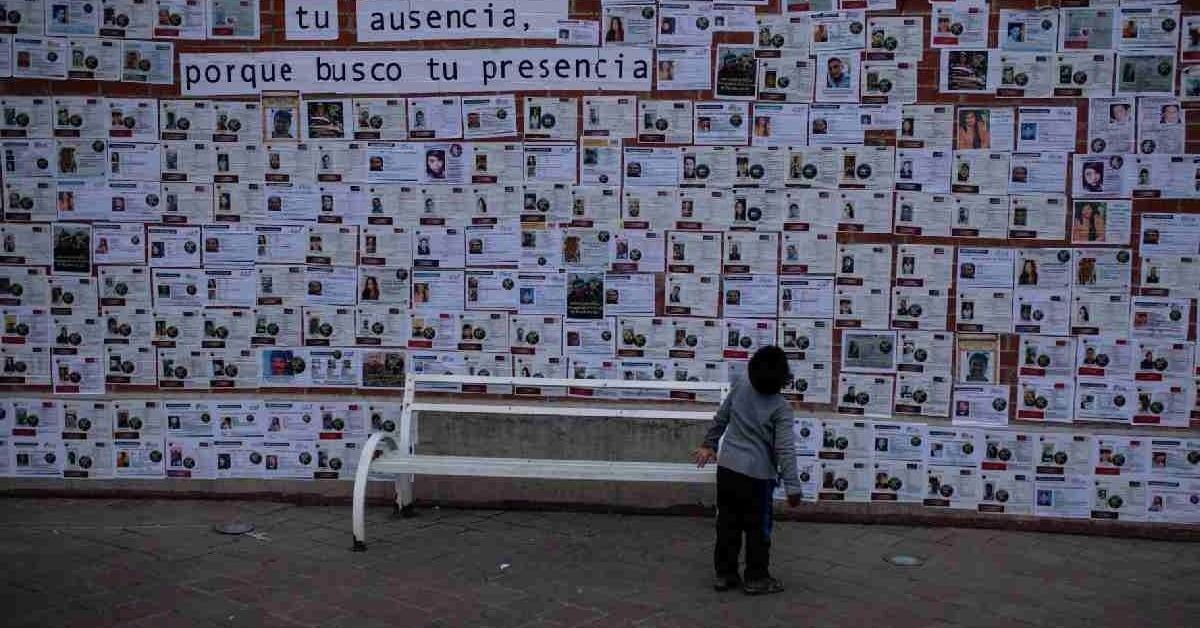
Behind each file is a family searching. Recent national reporting has shown how relatives now lead excavations, push for forensic identifications, and document clandestine sites when agencies fail to arrive. Baja California features in that map of pain and persistence. The minimum any authority owes them is a dataset that speaks plainly and is open to scrutiny.
Lawmakers now have a responsibility to demand a corrected, public-facing dataset from the Fiscalía. That dataset should show how many people remain missing in Baja California after 18 years of reports, and how many have been found—alive or deceased. Without that clarity, “42,000” is not an answer. It is another question families are forced to carry.