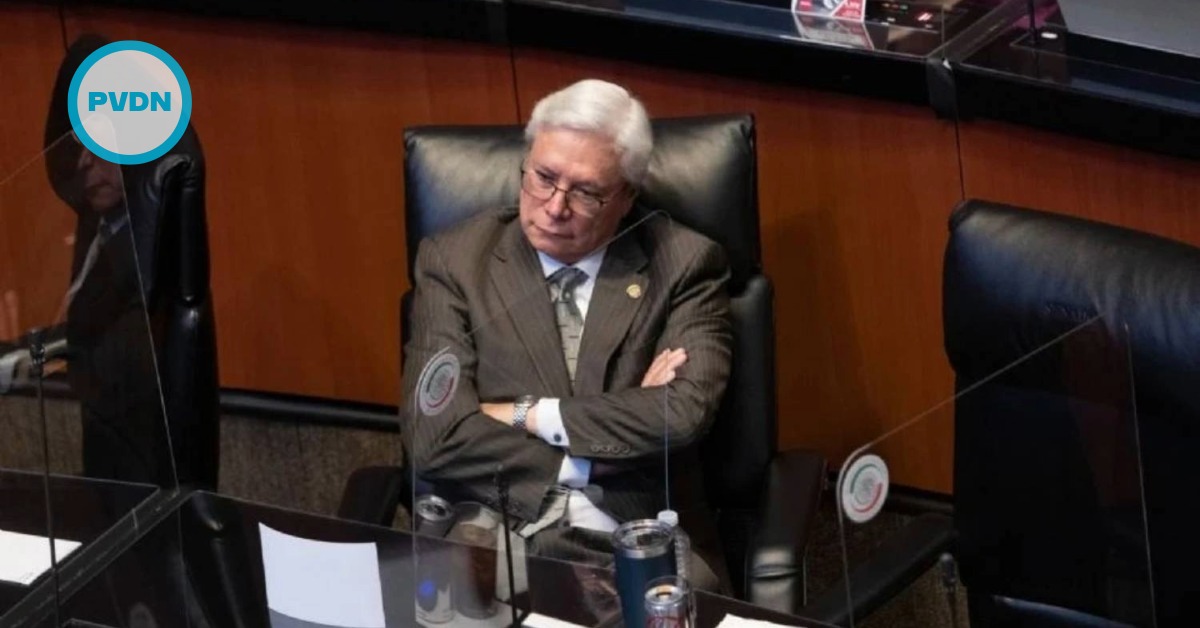
Baja California’s justice tribunal barred ex-governor Jaime Bonilla from public office for three years over a failed Next Energy solar deal.
Former Baja California governor Jaime Bonilla Valdez is barred from holding public office for the next three years, after the State Administrative Justice Tribunal found him responsible for a serious administrative offense tied to the failed Next Energy solar project. The ruling lands on one of the state’s most visible political figures and on a case that has hung over the current administration since its first months in office.
State officials confirmed that the tribunal’s decision disqualifies the former governor and ex-senator from occupying any public post during that period. The sanction stems from his role in promoting and signing a long-term energy contract with the private company Next Energy de México for a large solar plant that never became operational. Authorities stressed that Bonilla retains the right to challenge the ruling through the courts.
Governor Marina del Pilar Ávila Olmeda and the state’s Secretary of Honesty and Public Function, Gabriela Monge Pérez, explained that the case had been under review since the beginning of the current administration. Monge described the resolution as a “serious” sanction under state law and said the proceedings originated in complaints filed by the state’s anticorruption authorities over the Next Energy deal and its impact on public finances.
Jaime Bonilla disqualification
At the center of the case is a contract signed in 2020, during Bonilla’s term, with Next Energy to build and operate a large photovoltaic plant in the Mexicali Valley. The project was presented as a way to guarantee power for the Colorado River–Tijuana aqueduct and various state government facilities. Official documents placed the cost of the project in the tens of billions of pesos and included hefty penalties if the state decided to cancel the deal.
To back the contract, the previous administration set up a trust in which around 123 million pesos in state resources were retained by a financial institution. Those funds were taken from federal transfers and held even though not a single panel had been installed. The current government later pursued legal action and eventually recovered about 172 million pesos, including yields, once courts agreed to suspend the payment scheme and the contract was unwound.
Regulators at the federal level had already raised red flags about the arrangement. The project lacked key permits from the Energy Regulatory Commission, the federal Energy Ministry and the Environment Ministry. A consultative body of the energy regulator concluded that the state government did not have the authority to grant concessions of that type, which are reserved for the federal government. That conclusion undercut the legal foundation of the contract and strengthened the state’s argument that the deal was harmful to public finances.
State officials also uncovered cancellation clauses that would have forced Baja California to pay up to 5 billion pesos to the company if the project was terminated early. In public briefings, the current governor has described the contract as an agreement that favored the private partner at the expense of taxpayers, and she moved to cancel it shortly after taking office. The solar plant was never completed and never supplied electricity to the aqueduct or to government offices.
The dispute around Next Energy did not stay in the administrative arena. Starting in 2021 and 2022, the state government filed criminal complaints over the contract, alleging abuse of authority, illicit use of powers and possible misuse of public funds by several former officials. Prosecutors opened investigations and, over time, multiple ex-members of Bonilla’s team and representatives linked to the financial structure of the project have faced administrative or criminal proceedings connected to the same case.
The tribunal’s new ruling focuses on Bonilla’s own role. According to the resolution, the former governor promoted the legislative initiative that authorized the executive branch to sign a multi-year energy supply contract and then proceeded to formalize the agreement with Next Energy despite the absence of required federal permits. For the judges, that sequence overstepped the limits of his position and represented a serious breach of administrative duties. The punishment is administrative, not criminal, but it takes him out of the public sector for three years.
What the Next Energy case means now
The timing of the sanction is politically sensitive. Bonilla was Baja California’s first governor elected under the Morena banner and later became a senator for the Labor Party before leaving the upper house to lead that party’s structure in the state. The three-year disqualification begins after the tribunal notified the state government in early December 2025 and will run through late 2028. That period covers the run-up to the 2027 electoral cycle, limiting his ability to occupy any elected or appointed position if the ruling stands.
For now, Bonilla remains free to contest the decision in court. State officials have acknowledged that any sanctioned former official, including the ex-governor, can file appeals and seek to have the judgment overturned or modified. Those challenges can take months or years to resolve, meaning the final word on his eligibility for future posts may still depend on higher courts.
Even so, the decision reinforces the current administration’s effort to show visible results in long-running corruption and mismanagement cases. The Next Energy saga became a symbol of high-risk contracting: a massive infrastructure project announced with fanfare, no federal permits in place, and public money tied up in a trust while the plant stalled on paper. Recovering those funds and canceling the contract were early priorities for the new government; disqualifying the former governor is now being framed as another step in closing that chapter.
The case also sits alongside other legal moves against former officials. On the same days that the tribunal’s ruling became public, state prosecutors secured the formal indictment of Bonilla’s former health secretary over separate accusations of irregular purchases and misuse of public resources during the pandemic. State authorities present these actions as part of a broader clean-up of past administrations, though many of the cases are still in mid-process.
For residents of Baja California, the three-year ban does not resolve every question raised by the failed solar plant. Courts and oversight bodies still must define the final cost of the decisions taken under the previous government, and criminal cases will determine whether any former officials face prison terms or further sanctions. What is clear for now is that the Jaime Bonilla disqualification takes a central figure in the state’s recent political history off the official stage, at least for the next three years, while the fallout from the Next Energy deal continues to work its way through the legal system.