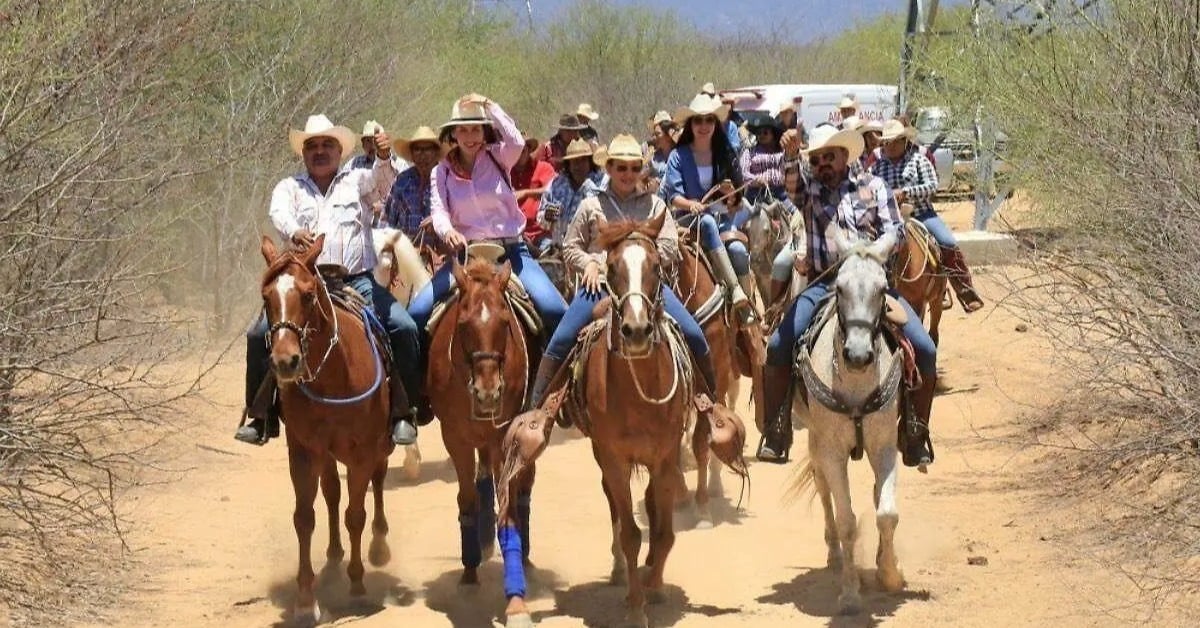
Baja California Sur will mark the sixth anniversary of the state’s cabalgatas designation with a month-long program that mixes horseback processions and cultural programming. Cultural authorities and riding associations announced art exhibitions in La Paz, as well as Saturday cabalgatas rotating through the five municipalities. The lineup underscores how the horse-riding tradition has moved from a grassroots movement to a protected heritage in just six years.
Organizers said activities begin in mid-September with simultaneous events in municipal seats, followed by weekend rides that start in La Paz and continue in Los Cabos, Comondú, Loreto, and Mulegé. The plan aims to spread foot traffic and spending across both urban and rural communities, while maintaining a focus on families and ranch culture.
The state’s Instituto Sudcaliforniano de Cultura helped unveil the agenda at the Centro Cultural La Paz, highlighting exhibitions, talks, and a weekly cadence of rides designed to be family-friendly. The tone of the announcement signaled coordination between city culture offices and civic riding groups, with a clear emphasis on safety and accessibility.
A key piece of context: in 2019, after a citizen-backed initiative and a congressional exhorto that spring, the governor issued a decree recognizing the Cabalgatas Sudcalifornianas as intangible cultural heritage of the state. That legal status is why you now see a formal calendar, institutional backing, and programming beyond the rides themselves.
The anniversary also lands in a year when equestrian civic life has been visibly active. In May, La Paz hosted its third “Cabalgata por La Paz,” drawing riders, families, and vendors along a route from San Pedro toward the capital, ending with a ranchero festival. That event previewed the model organizers want for the anniversary: a respectful ride plus a community-oriented cultural close.
History and place
You can’t tell Baja California Sur’s story without the horse. From the caminos reales that stitched together mission settlements to the working ranches that still mark the landscape, the cabalgata isn’t nostalgia — it’s continuity. The Cabalgata de San Javier, for example, remains one of the peninsula’s most evocative annual gatherings, and its visibility in recent media has helped younger audiences see the tradition as their own.
That’s the deeper bet behind the anniversary: use formal recognition to safeguard living culture. Exhibitions in La Paz provide a platform for photographers, artisans, saddlers, and musicians whose work helps preserve and advance the tradition. At the same time, Saturday rides put the heritage in motion, where it belongs — on the streets and arroyos of the towns that built it.
Expect turnouts of a few hundred riders per event, plus families lining routes — enough to matter for small vendors and rural producers. That impact is modest but meaningful if organizers keep routes predictable and festival closures well communicated. It is also a stress test for how the state treats living heritage: not as a museum piece, but as a practiced, safe, and welcoming civic act.