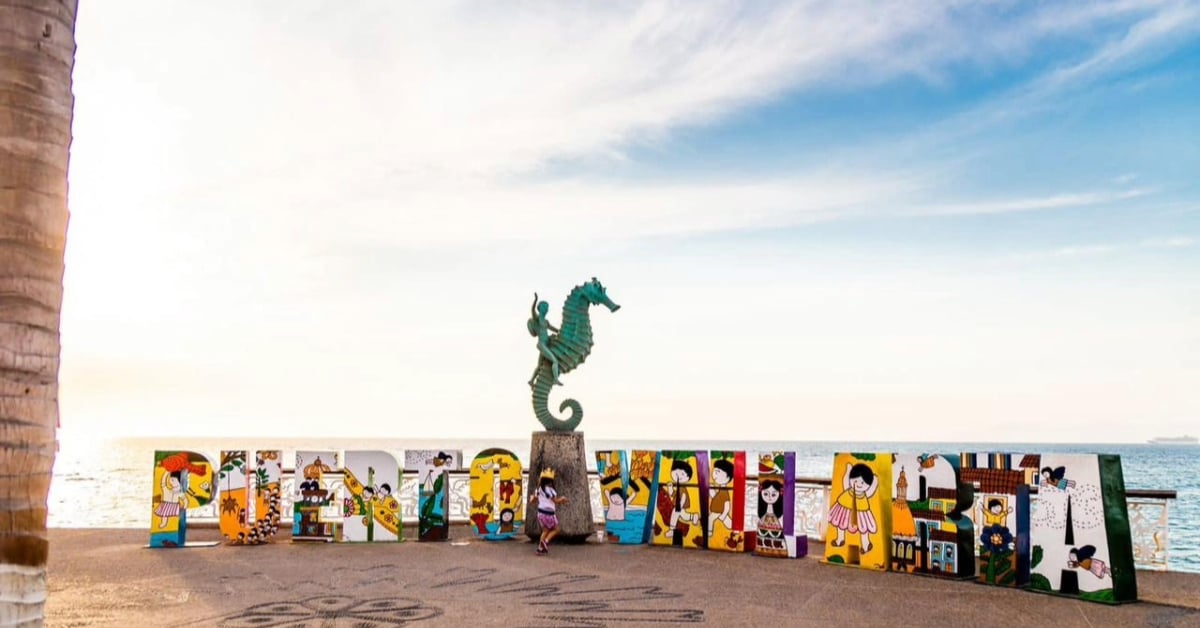
The metropolitan area that joins Puerto Vallarta, Jalisco, and Bahía de Banderas, Nayarit is running short on tourism workers, and the squeeze is hitting the smallest players first. Local shops, restaurants, and tour operators say construction sites and real estate projects now pay better and pull staff away. “We know there’s a lot of investment, especially in construction and real estate, and that has absorbed a large portion of the workforce. Since pay is a little better, small businesses are suffering,” said Carlo Iván Gómez, president of Canacope-Servytur in the region. Business owners are debating wage hikes to stay competitive, even as thin margins leave little room to move.
Banderas Bay tourism labor shortage
The phrase may sound abstract, but on the ground it means empty shifts, longer hours for remaining staff, and delayed service for visitors. Micro and small companies report that trained waiters, receptionists, and guides jump to construction crews or sales offices where immediate pay jumps are common. Gómez says owners have met repeatedly to study raises and efficiency tweaks. “The issue is serious. We are looking for ways to optimize business performance without compromising operations. It’s necessary to find a balance to strengthen both the local economy and the families who depend on these jobs,” he noted. They want to act fast, yet each peso added to payroll risks pushing a fragile operation into the red.
A boom with uneven benefits
Canacope’s own records show how fast the market is moving. Affiliated companies climbed from 450 to 1,450 in a single year, with at least 600 brand-new businesses joining the registry. The surge confirms a commercial boom, but it also intensifies the fight for cooks, cleaners, clerks, and salespeople. New hotels, condo towers, and vacation rental managers recruit aggressively. Many offer stable schedules and higher entry wages than corner cafés or boutique operators can match. Those small firms still anchor the local experience tourists come for, yet they lack the cash cushion larger investors enjoy.
Sixteen proposals on the table
Gómez is asking city halls and state governments to step in with policy relief. He points to 16 proposals Canacope has presented, ranging from targeted tax breaks—property taxes are a top concern—to public tourism projects that circulate money through neighborhood businesses, not just big developments. “We want foreign or domestic investment not to displace the local economy. Our job is to advise the government and defend microenterprises,” he said. He insists that decent work must be part of the growth model and that rules should reward companies that hire locally and keep wages rising.
Holding the line on local identity
The chamber argues that wage pressure is a symptom of a deeper risk: a destination built by locals could morph into one run almost entirely by outside capital. If small firms fold, the region loses variety, cultural flavor, and long-term community wealth. Business owners say they will keep pushing for a settlement where tourism income lifts families, not just profits. For now, they weigh every peso, juggle schedules, and hope that a coordinated push—public and private—can ease the Banderas Bay tourism labor shortage before the next high season arrives.
Banderas Bay, Puerto Vallarta, Bahía de Banderas, tourism, labor shortage, wages, Canacope Servytur, small businesses, real estate boom, Jalisco, Nayarit