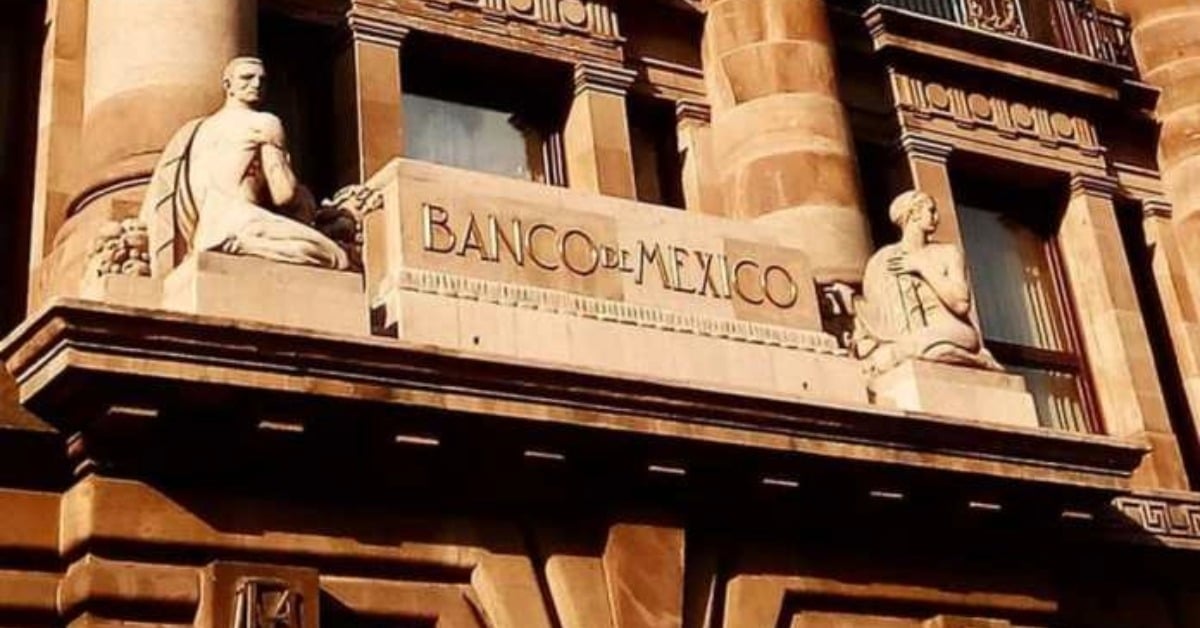
Banxico’s independence is written into Mexico’s Constitution and reinforced by staggered board terms. Those guardrails matter right now. A new subgovernor joined this year, and several members once worked closely with the current administration. Markets are watching if policy turns more “dovish,” or if internal dissent continues to anchor credibility. The record shows both forces at play: divided votes on rate cuts and a clear legal framework for autonomy. The following vacancy in 2026 looms large for confidence and for the peso.
Banxico autonomy debate
The core question is simple. Do today’s appointments risk softening Banxico’s stance in ways that markets would read as political? Mexico granted the central bank constitutional autonomy in the 1990s, making price stability its primary objective. Those reforms took effect in 1994 and were designed to insulate policy from the six-year political cycle.
That autonomy is not just rhetoric. Article 28 of the Constitution names Banxico an autonomous entity. The bank’s law sets fixed terms and a staggered calendar for appointments, which helps blunt short-term political pressure.
What the law guarantees
The governor serves a six-year term; deputy governors serve an eight-year term. Terms are staggered so that one seat is up for election every two years. Members can be reappointed if they continue to meet the eligibility requirements, and they cannot be removed at will. The design aims for continuity across administrations.
These are not obscure footnotes. They are the spine that supports credibility when politics heat up or markets wobble. Banxico leaned on that framework during bouts of peso volatility in 2024 and reiterated it could act—alone or with the FX commission—to restore order if conditions turned “atypical.”
Who sits on the board today
Banxico’s five-member board now includes Governor Victoria Rodríguez Ceja, and four deputy governors: Jonathan Heath, Galia Borja, Omar Mejía, and José Gabriel Cuadra. Their backgrounds span public finance and long careers inside Banxico itself.
Two points matter for readers. First, several current members previously held senior posts in the Finance Ministry or Mexico City’s treasury—an experience critics say can signal political closeness. Second, the newest member, Cuadra, is a career central banker and economist who spent decades inside Banxico before his unanimous Senate ratification in February 2025. That mix complicates any simple “captured board” narrative.
How the board is actually voting
Actions speak louder than résumés. Through mid-2025, Banxico moved from half-point rate cuts to a smaller quarter-point step, citing a need to slow the pace of easing. In August, the board reduced the rate to 7.75%—but only after a divided vote. Heath dissented, arguing for a hold. Earlier, in June, he also dissented against a 50-basis-point cut. That split reveals genuine debate within the room.
Inflation progress has been uneven, and the bank still projects convergence to its 3% target by the third quarter of 2026. The minutes and public remarks frame the balance of risks and explain why some members want more gradual cuts. This is what independence looks like in practice: disagreement, documented reasoning, and a published path.
Why comparisons to other countries keep coming up
Concerns about central bank capture are not unique to Mexico; they are a global issue. In Turkey, presidential intervention—including firing a governor after a rate hike—badly damaged credibility. In the United States, renewed pressure on the Federal Reserve, including threats to fire a sitting governor, has revived a global debate about how far political leaders should go. Those episodes are warning flares, not templates.
Mexico’s case differs in one key way. The legal framework is unusually explicit, and the appointment calendar is intentionally staggered. That does not remove political pressure—but it narrows the channels through which it can act.
The next test arrives in 2026
The following vacancy is Jonathan Heath’s seat, which expires on December 31, 2026. Whether he is reappointed or replaced will signal the administration’s tolerance for internal dissent and its comfort with a stricter line on inflation. Markets will read that decision alongside the bank’s inflation path and growth outlook, which Banxico updated as recently as late August.
Between now and then, watch the votes and the language around “graduality.” A board that tolerates dissent and explains its trade-offs tends to maintain credibility even when cuts are made. A board that leans on unanimity for its own sake risks the opposite.
Bottom line for readers
The Banxico autonomy debate is not a theoretical fight. It shows up in borrowing costs, mortgage rates, and the peso. Mexico’s Constitution and Banxico’s law still set a high bar against political interference. The current board’s split decisions support that. The 2026 appointment will be the clearest tell of where independence stands—and whether Mexico’s hard-won credibility holds.