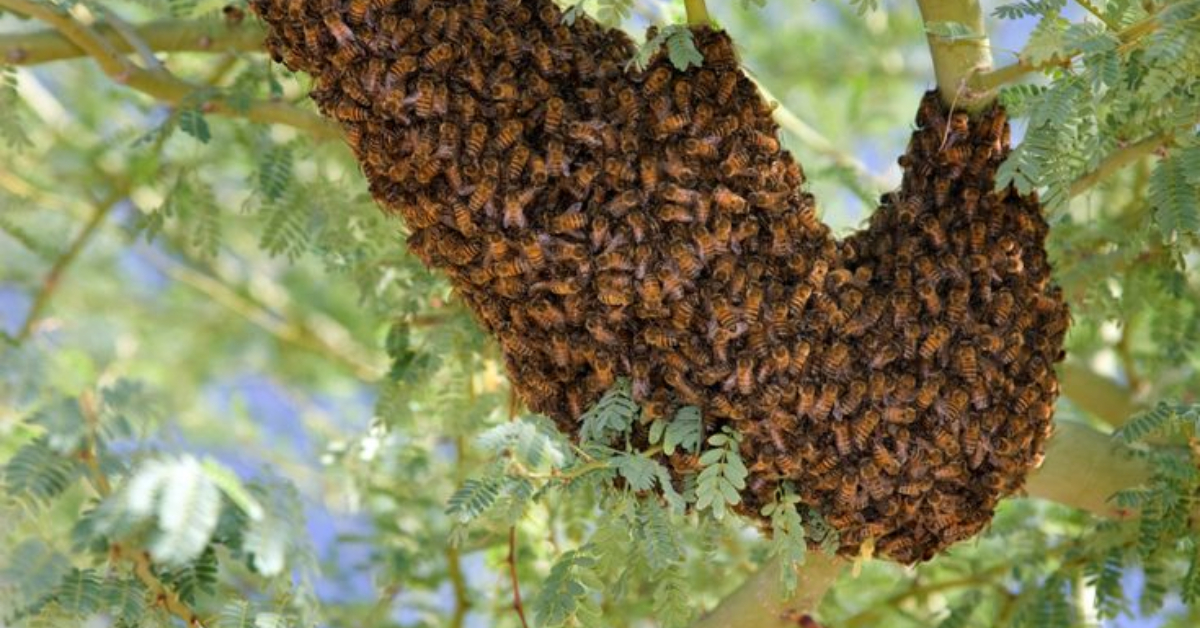
A Juchitán bee swarm attack injured eight residents and killed three dogs in Oaxaca after an opossum disturbed the hive; learn how to stay safe around Africanized bees.
Early on the afternoon of Friday, July 11, residents of Juchitán de Zaragoza in Oaxaca endured a frightening encounter when a Juchitán bee swarm attack left eight people stung and three dogs dead. Civil Protection officials say the incident was triggered when an opossum disturbed a hidden hive, provoking the Africanized bees to defend their nest.
Local authorities report that three minors and five adults were in their backyards when the swarm descended. “They felt a sudden surge of bees,” said a Civil Protection spokesperson. “Before they could react, the stings began.” Victims suffered multiple stings across arms, legs, and faces. Though painful and alarming, none of the injured were in life-threatening condition; all received on-site first aid, and several were monitored for allergic reactions.
Three family dogs, however, were less fortunate. Unable to escape the swarm, the animals succumbed to the volume of stings. “It’s a tragic reminder of how aggressive these bees can be,” the official added.
This episode adds to a growing number of bee attacks in the Isthmus of Tehuantepec region. In recent weeks, Civil Protection documented two similar stinging incidents, underscoring how Africanized bees—known locally as “killer bees”—have expanded their territory, often nesting in cool, shaded areas around homes.
How it happened
According to the Civil Protection report, an opossum rummaging near a concealed hive set off the outbreak. Feeling threatened, the queenless colony mounted a mass defense. “Africanized bees release an alarm pheromone that triggers a collective response,” explained a regional entomologist. “Once they attack, they can chase targets for hundreds of meters.”
Residents say these hives often hide in roof eaves, hollow trees, or under debris. “We don’t notice them until we’re too close,” said one neighbor.
First-aid and medical response
Civil Protection teams arrived within minutes of the emergency call. They advised bystanders to remain calm, cover their faces, and retreat slowly without flailing. Emergency responders administered antihistamines and corticosteroids to counter swelling and prevent severe allergic reactions. Four of the injured were taken to a nearby clinic for observation; none required hospitalization beyond standard monitoring.
To date this year, 36 people have suffered bee stings in the region. Fourteen of those needed hospital care for intense reactions, but there have been no human fatalities.
Safety tips for residents
Civil Protection urges all residents in Oaxaca’s isthmus area to:
- Stay alert. Inspect yards for signs of hives—especially in shaded, quiet spots.
- Remain calm. If you spot a swarm, stop, cover your face, and walk away slowly—do not run.
- Avoid disturbance. Never poke or swat at bees; they attack when they feel threatened.
- Call authorities. Report any hive sightings to Civil Protection or local beekeepers for safe removal.
“Prevention is key,” the PC spokesperson emphasized. “Knowing where these bees nest and how they behave can save lives.”