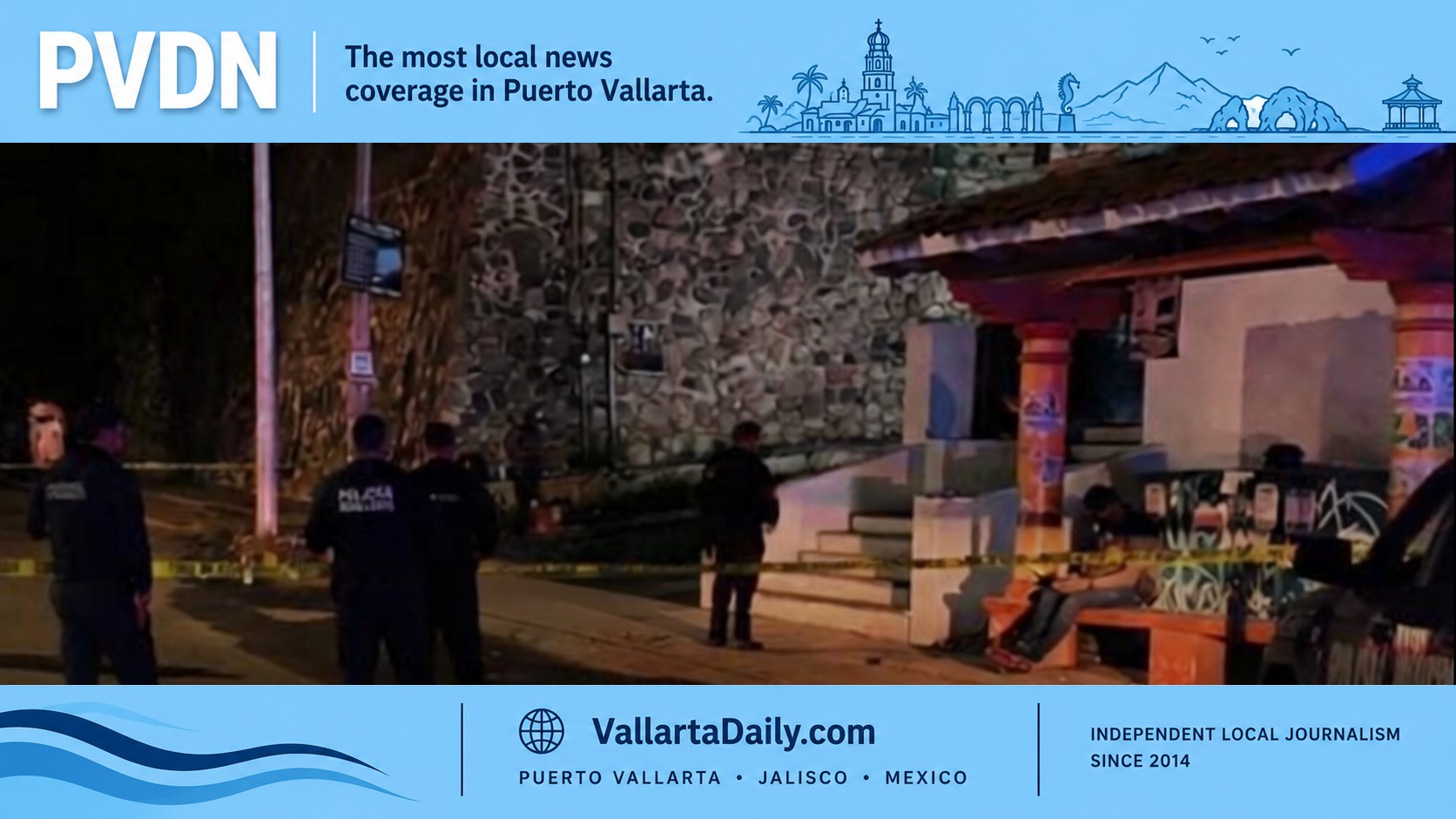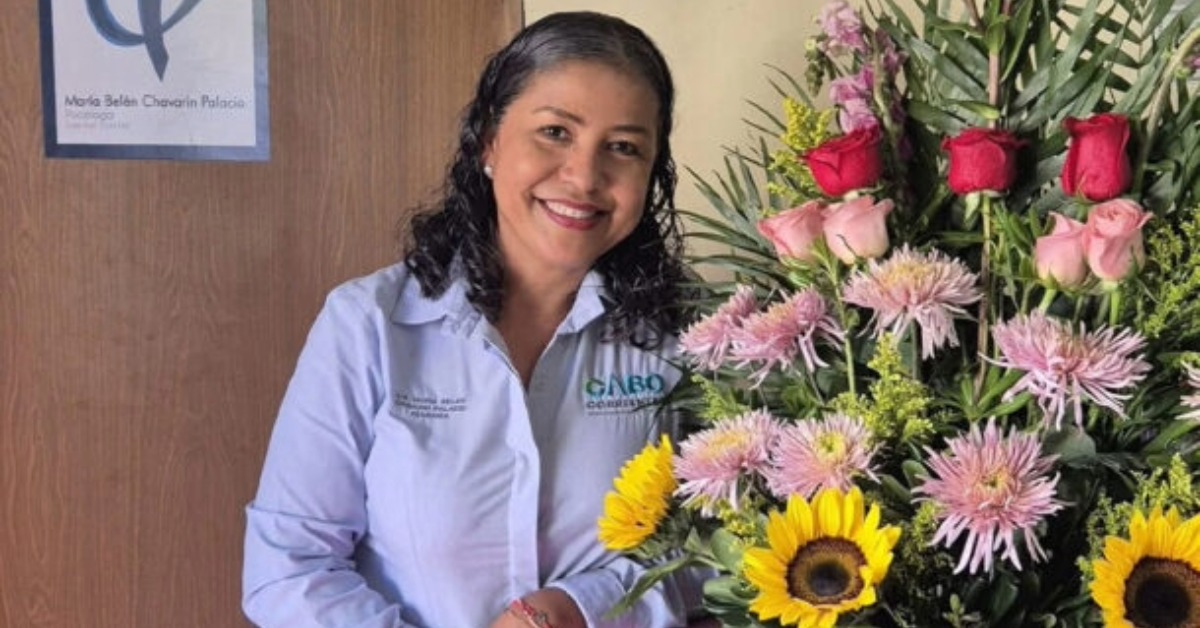
Cabo Corrientes, Jalisco, June 23, 2026 – The death of Cabo Corrientes councilwoman María Belén Chavarín Palacio is under investigation after she was reported with gunshot wounds in the municipality’s interior.
Chavarín Palacio, a regidora in the 2024–2027 Ayuntamiento, was taken to the Centro de Salud in El Tuito, where she died despite medical attention, local reporting from Tribuna de la Bahía said. A separate report by NoticiasPV said the wound was in the chest and that state investigators were processing a ranch where the incident may have occurred.
The Jalisco Fiscalía had not publicly established a final cause or manner of death by Tuesday. That matters. At this point, the case is not publicly confirmed as homicide, suicide, accident, or femicide.
A death under investigation
Early local versions have pointed in different directions.
The known public facts are narrower. Chavarín Palacio died after being reported with firearm injuries. State authorities are investigating. Her death has drawn attention because she was both a woman and an elected municipal official.
That combination raises two separate public questions. One is forensic: what happened, where it happened, and who was involved. The other is civic: how much information residents can expect when an elected official dies violently or under unclear circumstances.
A council seat tied to social services and family policy
Chavarín Palacio was part of the Cabo Corrientes council elected for the 2024–2027 term. Jalisco electoral records list María Belén Chavarín Palacio as a regidora on the Sigamos Haciendo Historia en Jalisco slate for Cabo Corrientes.
Municipal transparency records identify her with social and family-related commissions, including social assistance and housing, family care, children, older adults, and women’s access to a life free of violence.
Those assignments put her close to some of the municipality’s most sensitive local issues. Cabo Corrientes is not a large urban government. The most recent IIEG municipal profile reports a population of 10,940 in 2020, spread across 129 localities, with El Tuito as the largest community.
In a dispersed municipality, a regidora can be a direct point of contact for families, health needs, housing requests, and local complaints.
Why municipal officials face sharper risk
No public evidence now connects Chavarín Palacio’s death to organized crime or political retaliation. It would be irresponsible to frame it that way without proof.
Still, the case falls within a national climate in which municipal officials face documented risks. A March 2026 Integralia report on political violence counted 382 cases in 2025 and found that 79.3% occurred at the municipal level. The report called municipalities the “principal focus of vulnerability,” citing weak local institutions and limited security capacity.
Cabo Corrientes also sits on a corridor where public services, road access, emergency response, and local safety can quickly become regional concerns. PVDN has recently tracked disruptions on Highway 200 through Cabo Corrientes, showing how events in the municipality can affect travel between the coast, El Tuito, and surrounding communities.
The facts Cabo Corrientes still needs
Authorities have not publicly clarified where the shooting occurred, who first found Chavarín Palacio, what weapon was involved, or whether any person is being investigated.
They also have not publicly said whether the case is being reviewed under gender-violence protocols. That question matters because the victim was a woman, and because her municipal work included family and women’s protection issues.