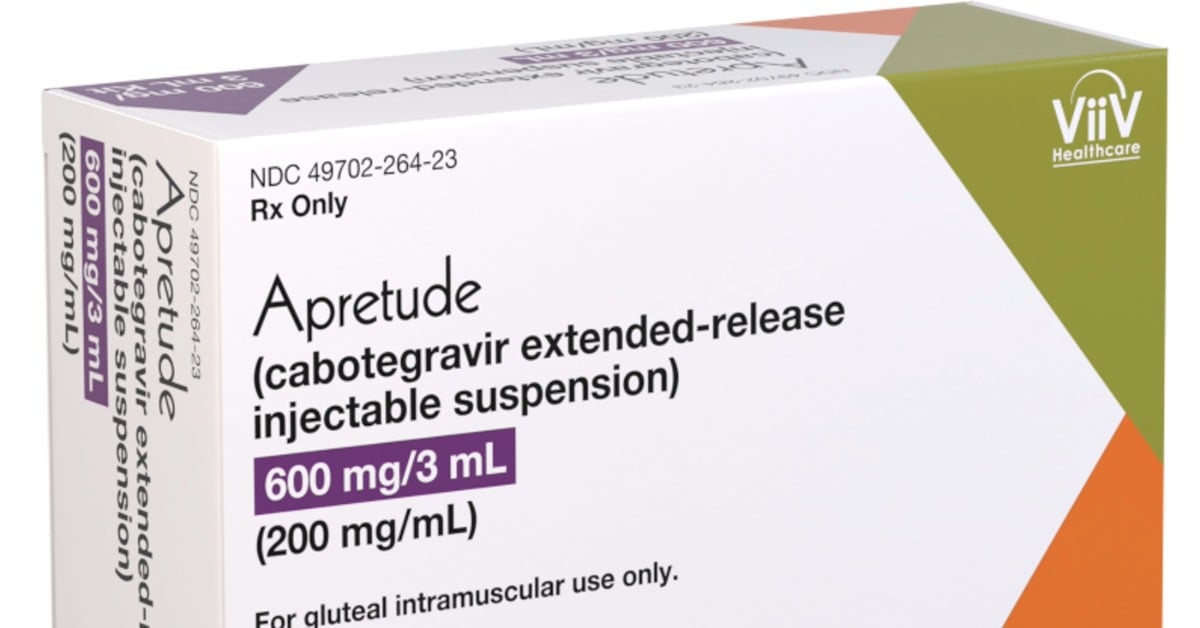
Mexico’s health regulator has authorized long-acting cabotegravir for pre-exposure prophylaxis (PrEP), moving HIV prevention from a daily pill to six injections a year administered by healthcare personnel. The authorization notes a possible lead-in with oral tablets or an initial monthly injection phase before switching to every-eight-week dosing.
Cofepris framed the decision inside its July update of health authorizations—210 in total, including 164 medical devices, 28 medicines, and 18 clinical research protocols. Among the medicines, cabotegravir stands out for offering continuous protection with bimonthly application.
Cabotegravir PrEP Mexico
Cabotegravir is an integrase inhibitor; by blocking the virus’s integrase enzyme, it prevents HIV from inserting its genetic material into human DNA, a necessary step to establish infection. That mechanism underpins the medicine’s extended-release formulation and the every-two-months dosing after initiation.
The approval aligns with global evidence. In the HPTN 083 trial among cisgender men and transgender women, injectable cabotegravir was superior to daily TDF/FTC at preventing HIV acquisition. A companion trial, HPTN 084, found superior protection in cisgender women as well. These findings helped shape international guidance.
Routine HIV testing at every injection visit is central to safe use. If someone acquires HIV and continues receiving cabotegravir unknowingly, the virus can develop resistance to this drug class. That’s why clinics pair the schedule with testing and follow-up.
From authorization to access
Regulatory clearance is a starting line, not the finish. Public access will depend on procurement, clinic training, supply logistics, and appointment tracking so people can keep the eight-week rhythm that makes long-acting PrEP work. The bimonthly schedule can ease adherence for those who struggle with daily pills or face stigma around taking them—one reason the World Health Organization recommends offering cabotegravir as an additional, highly effective prevention option.
Mexico’s move puts a proven tool into the prevention toolkit. With cabotegravir PrEP Mexico, the promise is fewer missed doses, stronger protection shown in trials, and care pathways designed around regular clinic touchpoints. The outcome—lower new infections—will come down to how quickly and equitably health services can turn this authorization into appointments, injections, and sustained prevention on the ground.