After weeks of friction, Playa del Carmen’s treasury says the city has unlocked its plan to update the cadastral value tables—the technical schedule that feeds future property-tax bills. Officials say stakeholders now agree on the direction, and the draft published in the Municipal Gazette shows how beachfront zones and resort areas could carry higher values than inland neighborhoods. Hoteliers had warned of steep costs, while City Hall argues the system hasn’t been modernized in years. Here’s what changed, what’s still pending, and what residents should watch next.
Cadastral tables update Playa del Carmen
Playa del Carmen’s treasury reported it has “unlocked” a contentious plan to refresh the city’s cadastral value tables after reaching an agreement with affected sectors. The update advanced following meetings with business groups that had pushed back on earlier versions. The move matters because those tables underpin how the municipality calculates property values for tax purposes.
The city formalized the process this spring. The Municipal Gazette published the draft Tabla de Valores Unitarios de Suelo y Construcción and opened a public comment window through July 30, 2025. That draft sets the framework the city says it will use for the 2026 fiscal year. It also lays out the legal basis in Quintana Roo’s cadastre law and the steps the cadastre office must follow.
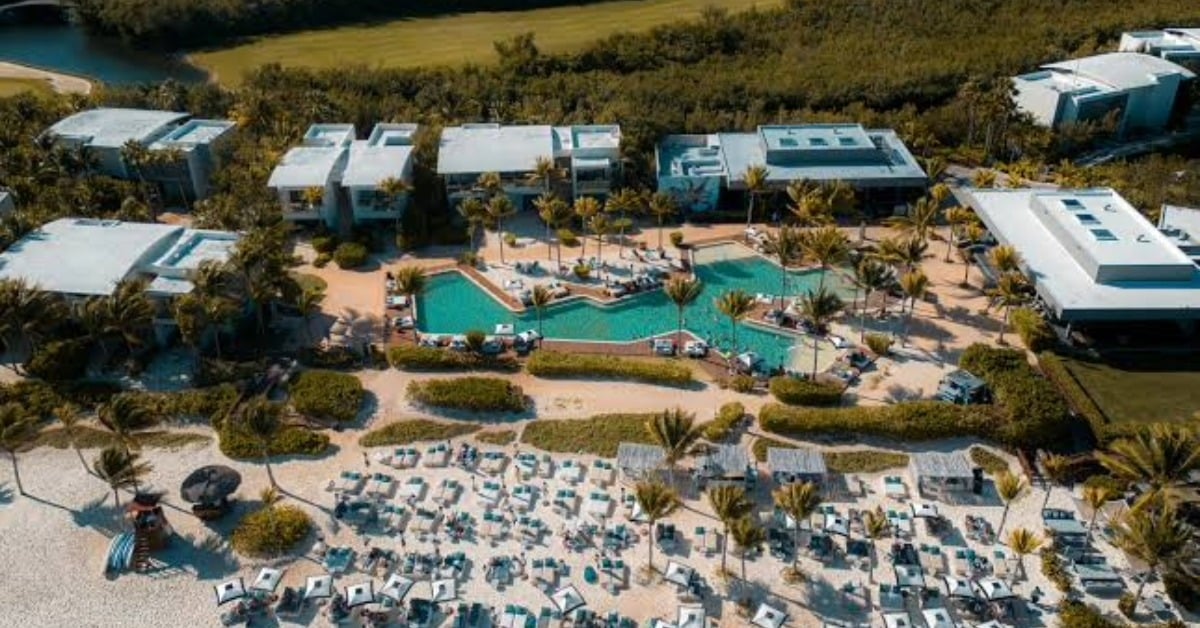
City documents show the draft map distinguishes high-value beachfront and resort corridors from inland neighborhoods and specialized areas like the local airport. Example entries list beachfront zones at 12,500 pesos per square meter, other coastal or central areas at 10,000 pesos, and inland or mixed-use areas at 3,500–6,500 pesos. Those are technical valuation inputs, not the final tax bill, but they indicate how value will be distributed across the city.
The dispute, and what changed
The hotel sector and other businesses had raised alarms this month about the financial hit from early drafts, urging dialogue before any sharp jumps. The Riviera Maya hotel association warned that small properties could be squeezed and that some large operators might challenge the change in court if the rollout felt abrupt. Those concerns forced negotiation. Treasury officials now say the city adjusted the approach and secured buy-in.
The city’s message, meanwhile, has emphasized “fairness.” For years, officials argued, the tables lagged behind local reality. Public statements by the treasurer and local broadcasters noted the cadastre had gone long stretches without a thorough update, even as coastal values changed. That argument—bring valuations in line with market conditions—helped the city press its case.
What residents should watch next
From here, two tracks matter. First is the city’s internal step: finalizing the table after reviewing public comments. Second is the budget track: predial is ultimately levied through each year’s revenue law. Recent state revenue decrees for municipalities in Quintana Roo have specified that predial is charged using values derived from the approved tables and valuation procedures. Expect that pattern to hold for 2026.
At the national level, President Claudia Sheinbaum has publicly backed a progressive property-tax principle—those with more pay more—and said the federal Agencia de Transformación Digital is offering technical help so municipalities can modernize their cadastres. That’s not a directive on local rates, but it signals support for evidence-based, zone-specific valuations.
The cadastral tables update for Playa del Carmen is moving after compromise talks. The public draft shows a clear intent to align valuations with the city’s geography: premium coastal strips, major resorts, and specialized areas on one side; popular neighborhoods on the other. The final word will arrive through the 2026 revenue-law cycle. Property owners should track the final table, check their zone and construction class, and plan for January’s payment calendar.