Aguascalientes is testing a simple idea with two urgent aims. Residents hand in recyclable materials; neighborhoods get connected security cameras. The city says the pilot starts in Jesús Terán and links the feeds to the municipal C4. If it works, neighbors could co-finance safer streets by cleaning up their waste stream—and do it with local oversight through established citizen committees.
Cameras for Recycling Aguascalientes
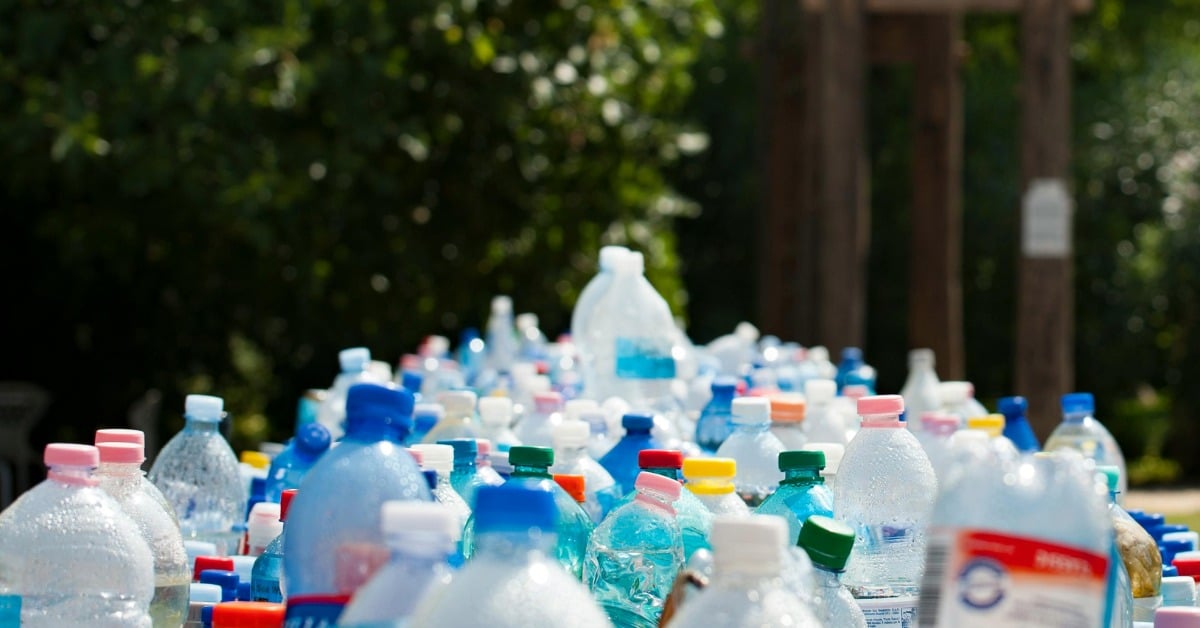
Aguascalientes City Hall unveiled Cameras for Recycling Aguascalientes, a program that allows neighbors to turn recyclable materials into installed surveillance cameras. The city’s “Comités del Buen Orden” will organize the collection of PET, paper, glass, aluminum, and cardboard, sell it, and channel proceeds into cameras connected to the municipal C4 monitoring center.
Officials presented the plan as a community-led safety tool, not a top-down purchase. By making the committees responsible for collections and placement, the city ties equipment to real block-level needs instead of a one-size rollout. Municipal communications confirm the feeds will be integrated with C4.
What the pilot looks like on the ground
City outlets and local press report that the first phase will be implemented in the Jesús Terán sector. Authorities will utilize this early stage to test coordination, technical viability, and committee capacity, thereby maintaining momentum over time.
The program’s mechanics are straightforward. Committees collect and weigh recyclables, sell them through existing municipal or private channels, and use proceeds to acquire cameras. City messaging highlights connection to C4 for faster response, while keeping neighbors involved in siting decisions.
A model built on existing civic infrastructure
Aguascalientes has spent years building neighborhood-level groups that liaise with the municipal police. The “Comités del Buen Orden” network counts into the thousands, giving the city a ready structure for a community-financed security add-on like this one. That background helps explain why a recycling-for-cameras swap can scale beyond a single colonia.
The city also has a standing culture of recycling drives and collection points. Prior municipal programs established multiple drop-off sites and periodic exchanges to encourage participation. That ecosystem means committees aren’t starting from zero in learning how to organize or where to take material.
Why pair recycling with surveillance
Residents often view security spending as distant and opaque. Here, neighbors can see their PET bottles and aluminum cans turn into a camera on their corner, with a live tie-in to responders. Tying it to recycling adds a second public good: less trash in landfills and cleaner streets.
There are fair questions to watch. Communities should know who has access to footage, how long the data is retained, and what happens if the cameras malfunction. Because committees help choose sites and track performance, this model provides locals with a forum to raise those issues early—ideally, before expansion beyond the pilot.
At the same time, visibility matters. Clear signage about camera locations and committee contacts can build trust and deter crime without turning public space into a black box. Public reporting—such as the number of kilos collected, the number of cameras installed, and response times—will help residents judge whether the swap delivers.