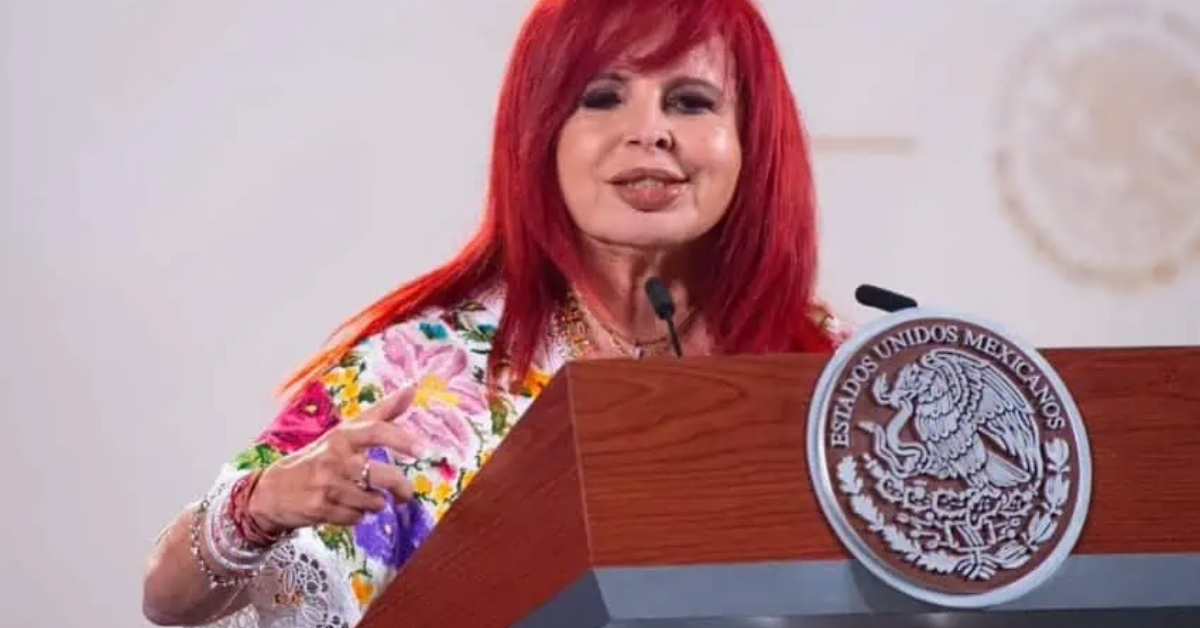
Campeche press freedom comes under threat as a judge orders state court staff to review and supervise publications by journalist Jorge Luis González Valdez and Tribuna de Campeche that refer to Governor Layda Sansores.
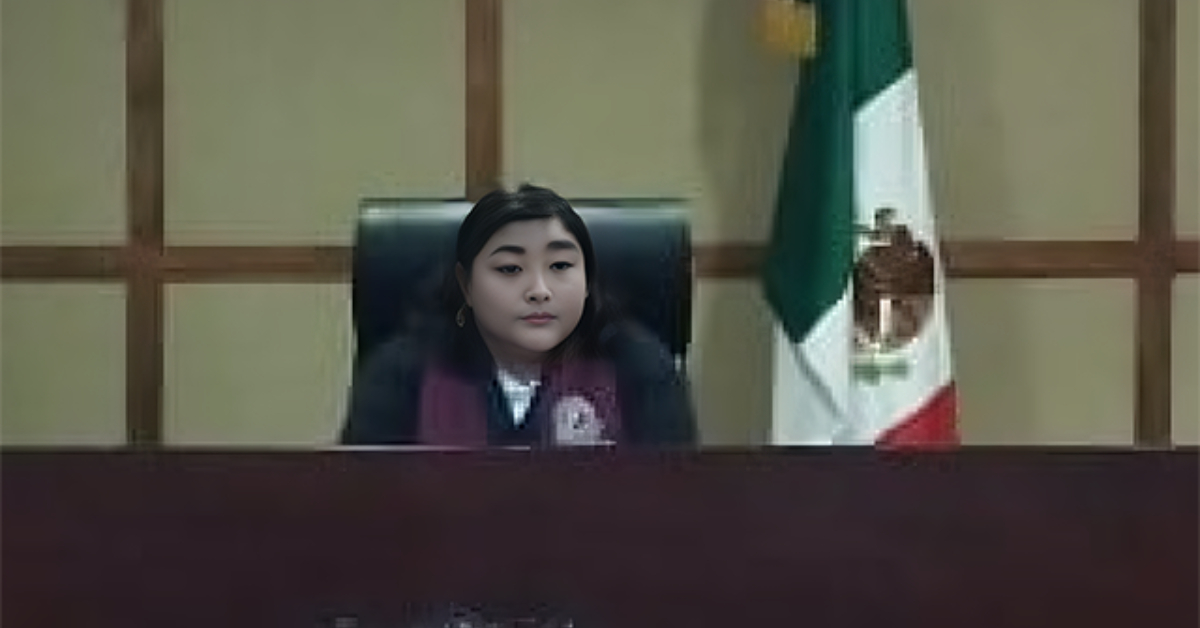
A judge in Campeche has imposed unprecedented precautionary measures on a local journalist and media outlet, raising alarms over press freedom in the state. On Tuesday, July 15, 2025, Judge Ana Maribel de Atocha Huitz May ordered that every mention of Governor Layda Sansores by journalist Jorge Luis González Valdez and the Tribuna de Campeche newspaper be vetted before publication. Staff from the Human Rights Directorate and the Precautionary Measures Unit of the Superior Court of Justice must now supervise content and accompany González Valdez during his reporting activities.
Campeche press freedom under fire
Under the new measures, a designated censor will pre‑approve any article where Tribuna de Campeche refers to Governor Sansores. Meanwhile, a monitor will shadow González Valdez to ensure he does not “harm the governor’s dignity,” as the ruling puts it. Both the outlet and the journalist face charges of “incitement to hatred” under Campeche’s Penal Code for publications spanning 2021 to 2025. Yet neither has received formal notice detailing how or when these controls will take effect, nor who will enforce them.
Rights groups and academics quickly condemned the ruling as a flagrant attack on constitutional guarantees. Leopoldo Maldonado, director of the press‑freedom nonprofit Article 19, called the measure “a legal aberration” that courts must overturn on appeal. “It has no basis,” he said. “Criminally punishing speech like this puts freedom of expression at risk across Mexico.”
UNAM political scientist Raúl Trejo Delarbre added that “prior censorship is expressly prohibited in Article 7 of our Constitution,” calling the judge’s order “an abuse against journalists and a step toward authoritarianism.” He shared his critique on X, warning that the ruling “strikes at the heart of any democratic system.”
Government response and next steps
On Governor Sansores’s weekly show Martes del Jaguar, Juan Pedro Alcudia, the State Government’s legal advisor, defended the measures. He argued they simply protect the governor’s reputation while allowing journalists to “truly exercise their practice.” He described the court’s staff oversight as a form of “protection and prior control” meant to keep reporting within legal bounds.
Tribuna de Campeche responded that it will suspend all reporting until the precautionary measures are lifted. In a statement, the paper noted the irony of being told its freedom of expression remains intact even as every mention of the governor would face vetting.
González Valdez’s defense team plans to file an appeal as soon as they receive written notice. They point out that a prior judge had already barred the journalist from reporting for two years and removed him from the Tribuna platform—orders later stayed by a federal court. With this latest ruling, Campeche’s press landscape hangs in the balance as local and national courts weigh the legality of pre‑publication monitoring.
As the case moves through the appeals process, media watchers will be watching closely. The outcome could set a precedent on whether state courts may impose prior restraint on news outlets—an issue with implications far beyond Campeche’s borders.