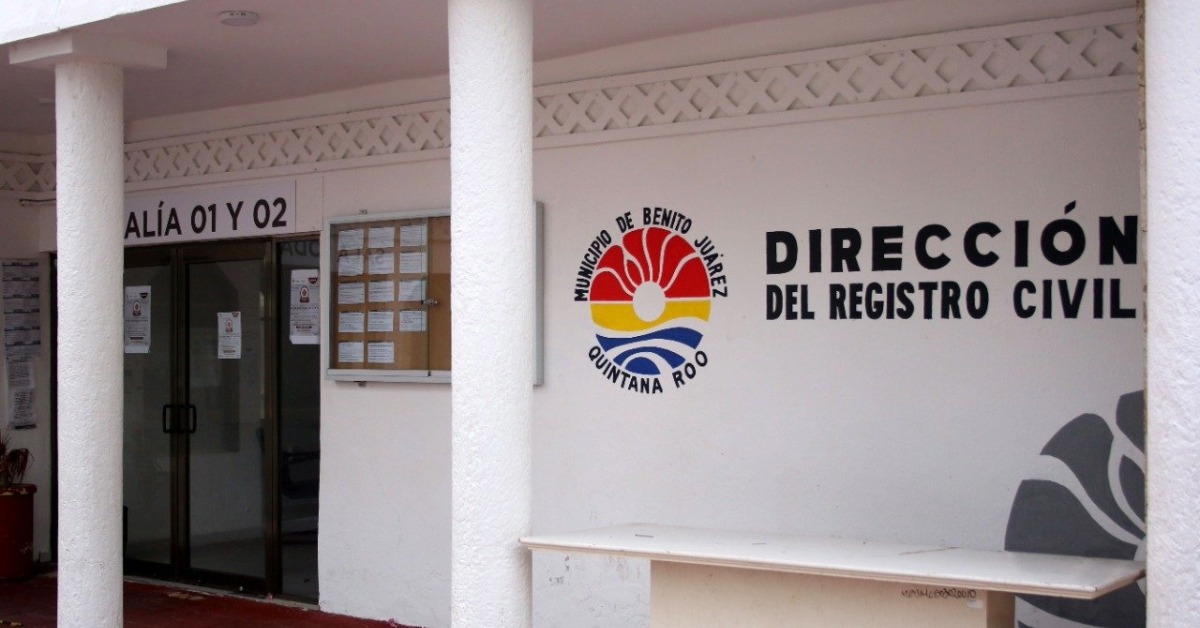
A new investigation in Cancún is drawing attention to allegations that some civil marriages may have been arranged for cash to help foreigners with legal paperwork. The claims are serious, but the public record is still thin. What has been confirmed is that city authorities are reviewing the matter. What has not been confirmed is whether there was an organized operation inside the Registro Civil. That gap between allegation and proof is what makes this story worth watching.
What authorities say so far
Cancún authorities have opened a review into reports that some Mexicans may have been paid to marry foreigners through the local Registro Civil. At this stage, the case is about alleged irregularities, not a proven criminal ring. The immediate question is whether public employees, brokers, or outside intermediaries helped move marriages through the system for reasons that went beyond a lawful civil union. Public reporting says the Contraloría Municipal has already requested the relevant file and started preliminary diligence.
That distinction matters. The public reporting available today does not show conclusive evidence of an organized network. It shows that an investigation has started. For readers outside Mexico, that may sound like a small difference, but it is crucial. An inquiry means city officials believe the allegations deserve review. It does not mean the underlying claims have been proven. In stories involving corruption, migration, and public offices, that line should stay clear from the start.
The Contraloría Municipal is the local watchdog that receives complaints against public servants and reviews possible administrative misconduct. That role helps explain why the first visible response is municipal rather than federal. The issue under review is whether there were irregular acts inside a local public office. Immigration status, if it becomes part of the case, would be a separate question. For now, the available reporting points to an administrative review tied to the city’s civil registry operations.
Why the allegation matters beyond Cancún
The case matters because marriage can affect immigration status in Mexico. Federal rules allow a foreign national to seek temporary residence as a family unit when married to a Mexican citizen or a legal resident. A marriage record can also matter later in a move toward permanent residence. That is why allegations like this draw attention quickly. They raise the possibility that a normal legal process may have been used for a false purpose.
Still, there is an important limit. Marriage alone does not automatically grant a foreign national Mexican nationality. Naturalization has separate rules and requires legal residence in Mexico for a set period. That point is easy to miss in online discussions, especially when cases involve tourists, digital nomads, or retirees trying to regularize their status. The legal value of a marriage certificate is real, but it is not a magic shortcut. That is part of why any paid marriage arrangement would attract scrutiny.
For foreign readers, the larger lesson is simple. A lawful binational marriage is not suspicious in itself. Cancún is a global tourism center, and the city itself has promoted romance tourism and international weddings. Foreigners getting married there is normal. The issue is not that a Mexican married a foreigner. The issue is whether a civil marriage was allegedly arranged as a transaction, with money changing hands and possible help from insiders who should have been following formal rules.
A local system already under scrutiny
This story did not appear in a vacuum. Late last year, Cancún’s own government said the Registro Civil had received complaints about irregularities in its services and urged residents not to pay gestores or to tolerate suspicious conduct by public servants. That earlier warning now lends more weight to the current allegations, even if it does not prove them. It suggests officials were already worried about how some people were navigating the office and its procedures.
That background matters because corruption in public-facing offices often starts at the margins. It can begin with small facilitation payments, shortcuts in document processing, or private brokers who promise faster service. By the time a bigger allegation surfaces, the public often knows only fragments. That seems to be the case here. The public has allegations, audio, and local reporting. What it does not yet have is a full official record showing how many marriages are under review, who handled them, or whether the claims hold up after investigators examine the files.
What foreign residents should understand now
Readers living in Mexico should resist two bad assumptions. The first is that every marriage involving a foreigner is questionable. That is plainly false. The second is that a marriage certificate automatically solves immigration status. That is also false. Real marriages remain lawful civil acts, and immigration benefits still depend on separate legal steps, paperwork, and review by the proper authorities. The current Cancún case sits in the space between those two truths.
If the allegations are backed by evidence, the real issue will be the use of a lawful institution for an improper purpose. It would also raise questions about oversight inside a public office that handles sensitive civil records. If the evidence does not hold up, the case may still expose how quickly rumors, social media, and distrust can damage confidence in local institutions. Either way, the investigation matters because it touches two systems that foreigners deal with often in Mexico: the civil registry and the immigration process.
What comes next
The next step is document work. Authorities will need to determine whether there are real case files, real payments, real intermediaries, and real public servants tied to those files. They will also need to separate rumor from record. That process may take time, and the most important evidence may never be made public unless the case expands. For now, the most responsible reading is narrow. Cancún has opened a review. The allegations are serious. The proof, at least in public, is still incomplete.