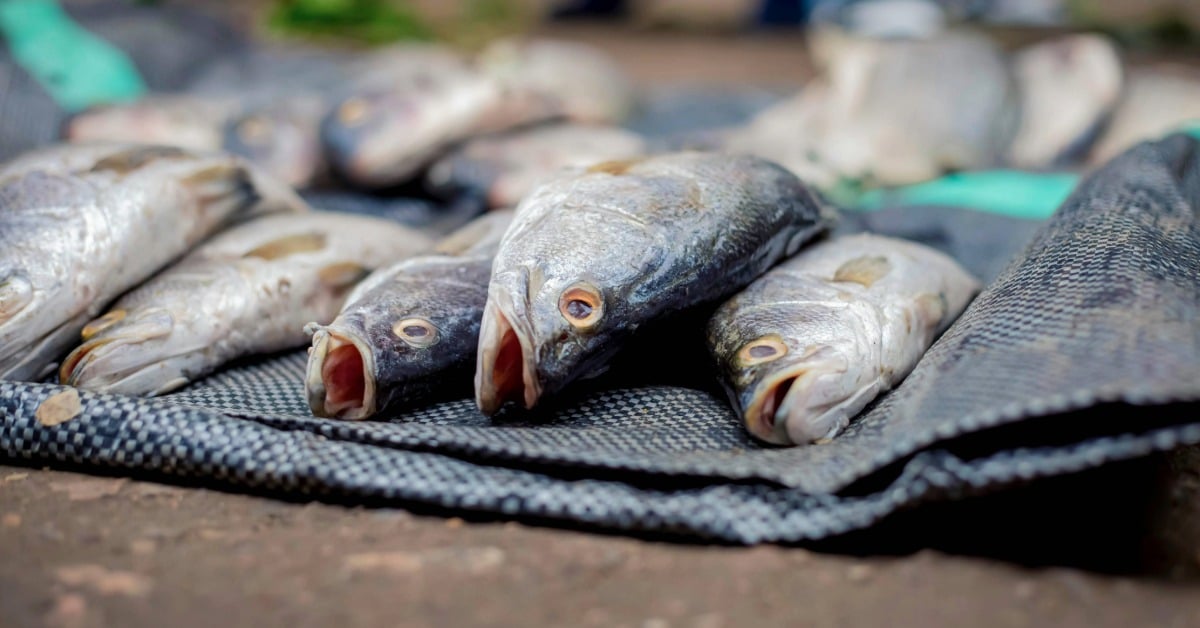
The restaurant chamber in Campeche reports that there have been no reports of diners falling ill from seafood linked to a red tide. That assurance comes as neighboring Yucatán continues to implement controls after confirming the presence of toxic microalgae off its coast this month.
red-tide seafood in Campeche
Canirac’s state president, Rodrigo Bojórquez Ruiz, said restaurants are sourcing fresh catch and avoiding areas where red tide has been observed. He added there have been no illness reports tied to tainted fish or shellfish in the state, and that the chamber would meet health authorities immediately if that changes.
Yucatán, by contrast, formally declared a red tide event on August 12 and later maintained measures in place after follow-up analyses showed no significant improvement. Officials identified Prorocentrum lima and Pyrodinium bahamense—species associated with toxin risks—as present in samples between Progreso and Celestún, resulting in a sanitary fishing ban in designated coastal waters.
What we’re seeing on Campeche’s coast
Local monitoring has focused on keeping the state’s beaches and seafood supply normal while Yucatán rides out its bloom. In recent days, authorities and local broadcasters have reported fish die-offs near the Campeche malecón, which are not attributed to a red tide, while emphasizing the importance of routine monitoring. That aligns with the chamber’s claim of no local illness cases.
Scientific records show Campeche’s shoreline has a history of harmful algal blooms, including Pyrodinium bahamense, so vigilance remains warranted even when restaurants report a clean supply. Recent academic work from the Universidad Autónoma de Campeche highlights the importance of continuous sampling along this coast.
How restaurants and buyers are adapting
Bojórquez said restaurateurs are choosing fresh, well-handled product and discarding any catch from suspect waters. That aligns with national guidance: when sanitary closures are in effect elsewhere, bivalves from those areas should not be harvested, transported, or sold until authorities lift the restrictions. Campeche outlets also face a practical issue—some “imported” seafood may be coming from affected zones in Yucatán—so traders and buyers are being urged to verify the origin.
As of August 25–26, 2025, Campeche’s restaurant chamber reports no illnesses linked to red-tide seafood, while Yucatán maintains restrictions and close watch on its bloom. If you’re dining out or buying seafood, origin and handling are key. Choose verified sellers, ask simple questions about where your food was caught, and favor cooked dishes when in doubt.