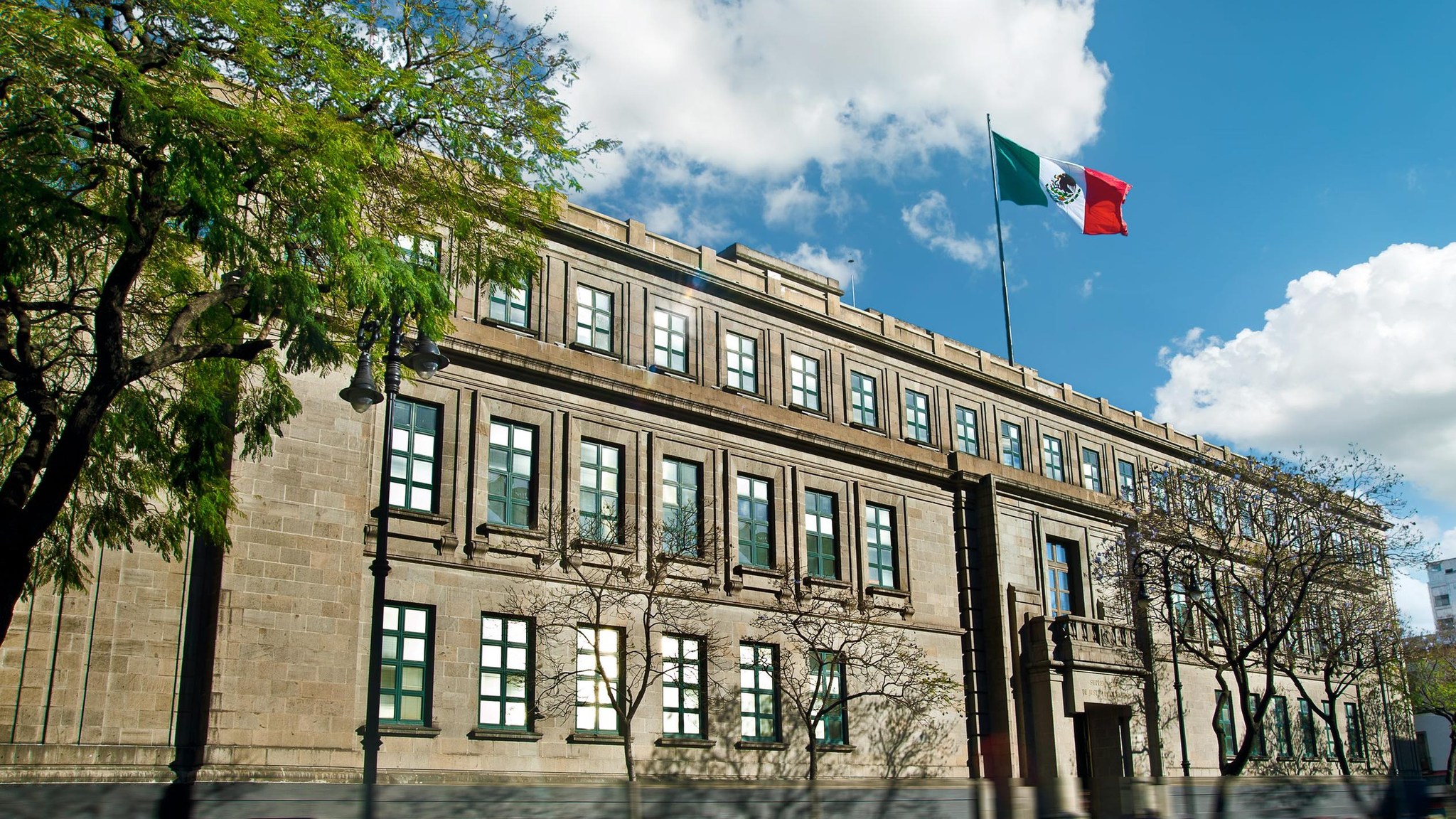
A disappearance case in Guanajuato is now exposing a broader weakness in Mexico’s justice system. When witnesses change their story after possible threats, should judges believe what was said first or what is said later in open court? That question now sits before Mexico’s highest court. The case began with the 2020 abduction of a teacher in Salvatierra, but its impact could reach far beyond one town, one family, and one trial.
When fear enters the courtroom
Mexico’s highest court is being asked to confront a painful question. What should judges do when witnesses appear to back away from earlier testimony after possible threats from organized crime?
That is the deeper issue behind a Guanajuato case that has now reached the Supreme Court. The dispute began with the disappearance of Guadalupe Barajas Piña, a teacher from Salvatierra, on February 29, 2020. Her remains were later identified among bodies recovered from a clandestine grave. What followed was not only a criminal case, but a test of how far fear can shape what happens in court.
For many readers outside Mexico, this may seem like a technical legal fight. It is not. In cases tied to cartels and local criminal groups, witness testimony can become unstable for obvious reasons. People may speak freely during an investigation, then retreat when a trial brings them closer to the accused, their allies, or the communities where they still live. The law must decide whether that later silence reflects truth, fear, or both.
The case that raised the issue
According to the court record, three people initially said they witnessed the abduction. Later, during the trial, those witnesses changed their version or said they did not know what had happened. A trial court treated those courtroom statements as decisive and acquitted four defendants in August 2024.
An appellate court later reversed that ruling. It found that the later testimony could not be read in isolation. Judges looked at the earlier statements, the consistency of the record, and the broader context around the witnesses. The court concluded that the change in testimony pointed more toward pressure than a true correction of events. Convictions followed.
The defense then filed an amparo, a constitutional challenge that asks federal judges to review whether a ruling violated protected rights. That move pushed the case into a broader legal debate. The question is no longer only whether these four men were properly convicted. It is whether Mexico’s courts have a clear rule for handling coerced recantations in serious criminal cases.
Why this matters beyond one prosecution
The Supreme Court is not yet deciding guilt or innocence. First, it must decide whether to take the case using its faculty of attraction, a power that allows it to pull in cases with broader constitutional importance. That alone shows the court sees more than a local dispute.
If the justices take the case, they may be asked to define how judges should weigh testimony when fear is part of the record. Mexican criminal procedure gives strong value to testimony delivered directly before a judge. That rule exists to protect due process. But this case exposes the tension built into that system. A witness may speak in open court, yet still be speaking under pressure.
That is why the case could matter far beyond Guanajuato. It touches kidnapping cases, disappearances, extortion, and other crimes where witnesses often remain vulnerable long after investigators leave. A ruling could give lower courts a clearer standard for deciding when a recantation should be treated as credible and when it should be read as a sign of intimidation.
The witness protection problem
Mexico already has laws to protect witnesses and others who participate in criminal proceedings. On paper, the system recognizes the danger. In practice, the protection gap remains one of the justice system’s weakest points.
This case brings that gap into view. A legal system can say it values testimony, but that promise means little if witnesses are left exposed. When courts place all their weight on what is said at trial, they risk rewarding intimidation. When they rely too heavily on prior statements, they risk weakening the defendant’s right to challenge the evidence. That is the balance the justices may have to address.
The problem is even sharper in disappearance cases, where families often spend years searching for answers before a trial begins. By the time witnesses appear in court, the danger may be older, more personal, and harder to prove directly. The pressure may not always come with a recorded threat. Sometimes it appears through silence, changed behavior, or sudden memory loss, even when witnesses were once specific.
A case about more than legal procedure
For the family of Guadalupe Barajas Piña, this case is about justice after a disappearance and killing. For Mexico’s courts, it is about whether the system can function when fear reaches the witness stand.
That is what makes this story larger than one file moving through the judiciary. It asks whether organized crime can distort testimony without ever entering the courtroom. It asks whether judges should pretend that a trial happens in a vacuum. And it asks whether due process can still work when the people expected to tell the truth may also be the people with the most to lose.
The Supreme Court now has to decide whether it will step in. If it does, the ruling could become an important marker for how Mexico handles testimony in violent criminal cases. If it does not, the underlying problem will remain. In that sense, this case is not only about what witnesses said. It is about what fear can do to justice before a judge ever rules.
With information from Suprema Corte de Justicia de la Nación, Mexico Daily News