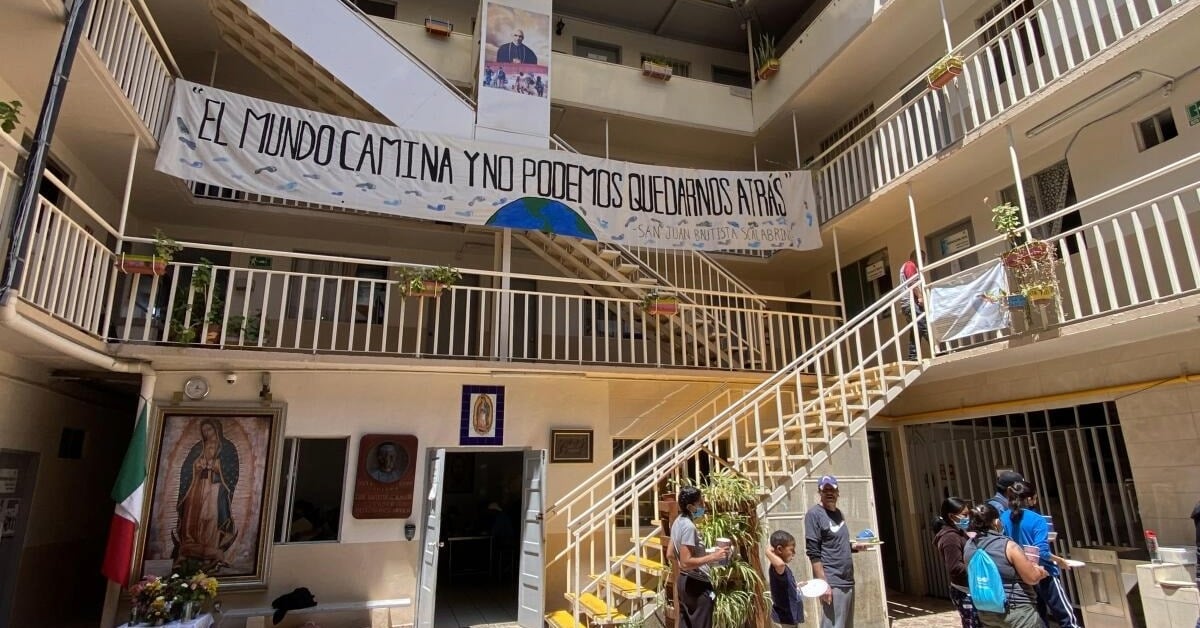
Casa del Migrante, Tijuana’s oldest migrant shelter, has issued an urgent appeal to keep food on plates and medicine in stock. Staff warn that a sharp drop in funding—paired with policy shifts that push vulnerable people back into Mexico—has left a lifeline frayed. The shelter even opened bank accounts in Mexico and the U.S. to streamline donations. This is more than a budget story. It is about whether thousands of people in transit can count on a safe bed and basic care.
Tijuana’s oldest migrant shelter sent a simple message with heavy weight: help, or the kitchen and clinic will run dry. In a letter shared with local media, Casa del Migrante stated that its operating budget can no longer guarantee “food and medicine” amid a recent surge in arrivals. The appeal asks civil society and private donors to step in so the shelter can keep its doors open.
The call names the basics at risk. Rice, beans, and antibiotics. Phone cards for a mother trying to reach her family. Bus fare for a deportee who has nowhere else to go. To make giving easier and more transparent, the shelter has enabled donation accounts with Banorte in Mexico and Bank of America for supporters on both sides of the border.
Casa del Migrante in Tijuana urgent call for support
Casa del Migrante’s alarm lands after a year of whiplash. Early in 2025, U.S. policy changes froze key foreign-aid streams and shuttered partner programs that had paid for food vouchers, medical care, and basic services at Tijuana shelters. Local providers warned that a large share of their budgets vanished almost overnight. Even organizations that had never entirely relied on U.S. grants felt the shock as partner clinics and programs closed or paused.
Shelter capacity and demand have seen-sawed as well. Spring reporting revealed that some sites were nearly empty after the end of CBP One appointments, as families were discouraged from waiting in northern Mexico. However, providers emphasized that “empty” beds do not necessarily equate to stability. Funding gaps persisted, vulnerable people still knocked on doors, and staff braced for new spikes as enforcement patterns changed again. Today’s plea suggests the lull did not last.
A shelter squeezed by aid cuts and policy whiplash
Casa del Migrante has stood through many cycles. The Scalabrinian order runs it, and for years, it has been led by Father Pat Murphy, a New York–born priest who returned to direct the shelter in 2013. The mission is straightforward and unwavering: a safe bed, a short stay, clean clothes, and a plan to move on with dignity.
This year’s squeeze is not abstract. Border NGOs describe losing roughly two-fifths of their budgets when foreign aid payments were paused and grants were re-scoped. In Tijuana, clinics closed their doors, shelter repairs were canceled, and childcare programs stopped. Providers say they now juggle higher food costs with fewer dollars and more complicated needs.
Why funding gaps turn into real harm
A shelter’s budget is an intake sheet in disguise. When funds for medicine are scarce, respiratory infections or untreated wounds persist. When food lines shorten, people skip meals to feed their children. When staff positions are eliminated, case management becomes fragmented, and deportees are left to drift. Local reporters have chronicled months of belt-tightening in Tijuana’s faith-based network, warning as early as March that Casa del Migrante might have to shut down if donations continued to decline.
Cross-border dynamics add pressure. As San Diego County limited respite sheltering, more people cycled back into Tijuana with injuries from falls, untreated chronic conditions, and fewer legal pathways. Researchers tracking both sides of the line say the region has borne historic swings since 2024, and that coordination and steady funding—not one-off surges—determine whether families land safely.
What happens next in Tijuana
The most challenging aspect is planning for uncertainty. Mexico’s northern states spent the winter and spring preparing for possible mass deportations. Federal, state, and municipal authorities set up emergency tents and identified sites for overflow shelters, including Tijuana. Those preparations helped, but they did not refill the pantry at Casa del Migrante, nor did they restore lost clinic hours or staff time.
On the ground, providers say the line between “migration story” and “local story” is thin. When shelters reduce their bed capacity, more people sleep outdoors, and neighborhood clinics and soup kitchens absorb the resulting strain. Spring features from San Diego outlets captured a second reality: with appointments canceled, some families left Tijuana for other countries or returned home, while those who stayed faced rising risks of assault, kidnapping, or prolonged limbo. Flux like this is precisely why core shelters matter. They stabilize the valley between the peaks.
Casa del Migrante’s appeal is not alarmism. It is logistics. If funding does not materialize, the first cuts typically hit food and medicine. The second cuts hit the staff. After that, the doors close at night. The shelter’s message is blunt because the math is blunt.
When a long-standing shelter says we cannot guarantee food or medicine, we should take that as a fact, not a threat. Tijuana’s safety net is built on small budgets, volunteer hours, and cross-border goodwill. It can bend with policy shocks only if its core holds. Casa del Migrante has requested assistance to maintain that core. The rest of us should decide what kind of border we want to live next to—and fund accordingly.