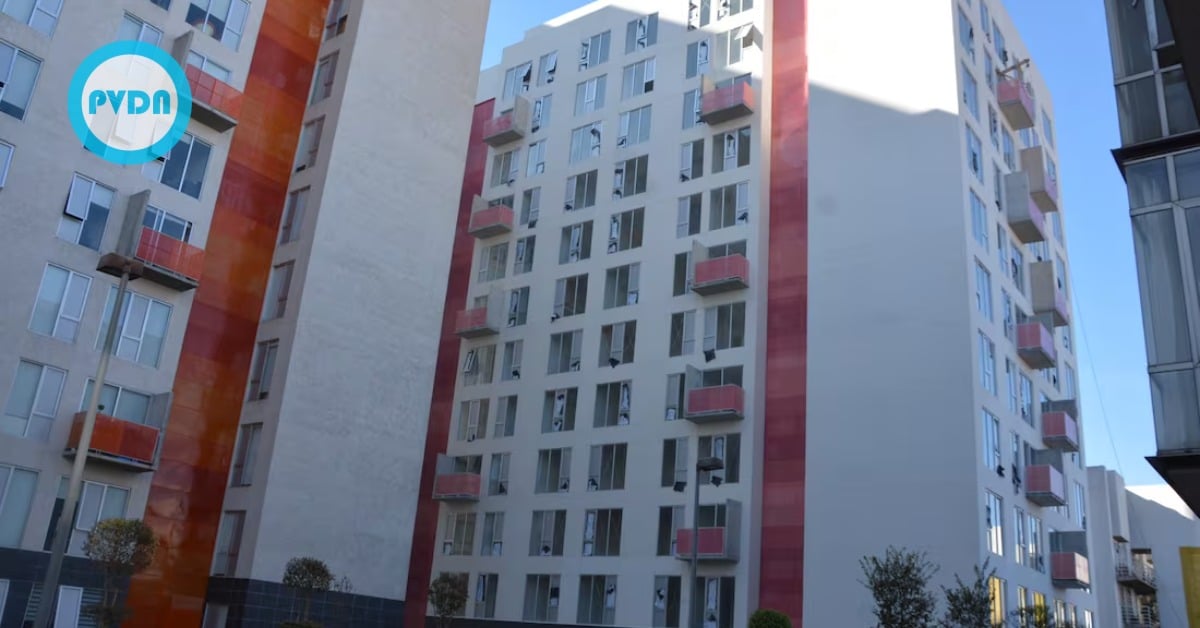
Mexico City’s government says it will send a CDMX fair rent bill to the local Congress by late October, leaning on months of public forums on gentrification and a broader 14-point agenda announced in July. Officials have hinted at tools to stabilize prices, expand mediation for tenants, and target abusive practices. Landlords and platforms will watch closely: details matter, and the texts aren’t public yet. The stakes are high for renters priced out of central boroughs and for a housing market that’s been reshaped by remote work, tourism, and speculation.
CDMX fair rent
Mexico City plans to send a CDMX fair rent bill to the capital’s Congress by late October, Mayor Clara Brugada said this week. The initiative is framed as a law for “fair, reasonable and affordable” rents and follows a string of public forums on gentrification held across the city in recent weeks. While the full text isn’t public, the administration has repeatedly signaled a push to stabilize rents and strengthen tenant protections.
The late-October timeline tightens a calendar that started in mid-July with “Bando 1,” a 14-point housing agenda presented by the city. That package previewed a dedicated in-tenant defense office, new data tools, and legislative changes aimed at curbing abusive rent hikes. The fair-rent bill is now billed as the legislative anchor of that agenda.
Officials have also linked the bill to a months-long consultation cycle. Deputies and city offices gathered proposals during “Diálogos de Ciudad” sessions, delivering results to the Metrópolis Secretariat in early September. Organizers say the forums generated thousands of comments from residents regarding displacement, sudden rent increases, and conflicts with landlords. Those summaries, although not binding, are expected to inform the final draft that the government submits to Congress.
In July, coverage from national and international outlets highlighted the administration’s direction: to stabilize rent growth, expand public housing initiatives, and establish a tenant-rights mediator to address abuses. Reporting at the time described potential guardrails tying increases to inflation benchmarks and a broader crackdown on speculative practices in the tightest neighborhoods. The city framed the effort as a response to protests and a visible affordability squeeze in central boroughs, such as Cuauhtémoc and Miguel Hidalgo.
The city’s stance is not emerging from a vacuum. During the summer, officials repeatedly promised to bring a rent bill after the forum phase, and the Housing Secretariat said September–October was the target window for submission. With the new late-October marker, the government is signaling that it believes it has received sufficient public input to proceed. What remains unknown is the exact mechanism: a hard cap pegged to inflation, a stabilization formula for lease renewals, or a tiered approach focused on specific zones and building types. Those choices will have a practical impact on both tenants and landlords alike.
What late October actually means for renters
For tenants, timing matters. A late-October submission means the bill could enter committee work this fall, with hearings where landlord groups, tenant advocates, and housing economists typically press their cases. The administration has previewed a “Defensoría de los Derechos Inquilinarios,” which would provide renters with a point of contact when faced with abusive clauses, illegal evictions, or unexplained fee hikes. If that office is codified in statute, it could lend additional strength to existing consumer-protection tools.
Early indications suggest lawmakers will debate how to balance predictability for renters with investment incentives for owners. July’s rollout included rhetoric about formalizing the market rather than scaring it off, a nod to developers who warn that blanket caps can shrink supply. The text will also be examined for its treatment of short-term rentals and furnished “mid-term” leases, which behave more like hospitality than housing. Those pieces helped drive price pressure in core neighborhoods during the post-pandemic shift to remote work.
City leaders argue the status quo is not working. The consultation results delivered in early September emphasize displacement, opaque pricing, and weak recourse for tenants. If the final draft channels that feedback, expect more precise limits on increases within lease cycles, stricter enforcement against abusive clauses, and more transparency on advertised versus contracted prices. Whether the law directly impacts platform-based rentals is less specific; officials have floated regulation within the broader 14-point strategy, but the scope of the fair-rent bill will only become clear when the text is finalized.
The politics behind a fair-rent vote
The ruling party’s caucus has shepherded the forum process and has the votes to set the agenda, but internal debates over the strictness of any cap are likely. Previous briefings referenced stabilizing mechanisms linked to inflation, which could be more moderate than hard ceilings and might reduce legal risk. The government insists that the goal is stability, not a freeze, and states that the broader policy will include more public housing initiatives and data tools to monitor rents citywide. Those pieces could soften opposition from landlords who fear blunt controls.
Expect an intense committee phase. Housing groups will push for firm guardrails and swift enforcement, while owners request carve-outs, transition rules for existing leases, and clarity on penalties. If the bill arrives on time in late October, committee work could begin before the end of the year, setting up votes that define what “fair, reasonable and affordable” means in practice for the capital. For now, the promise is on paper; renters will look for the fine print.