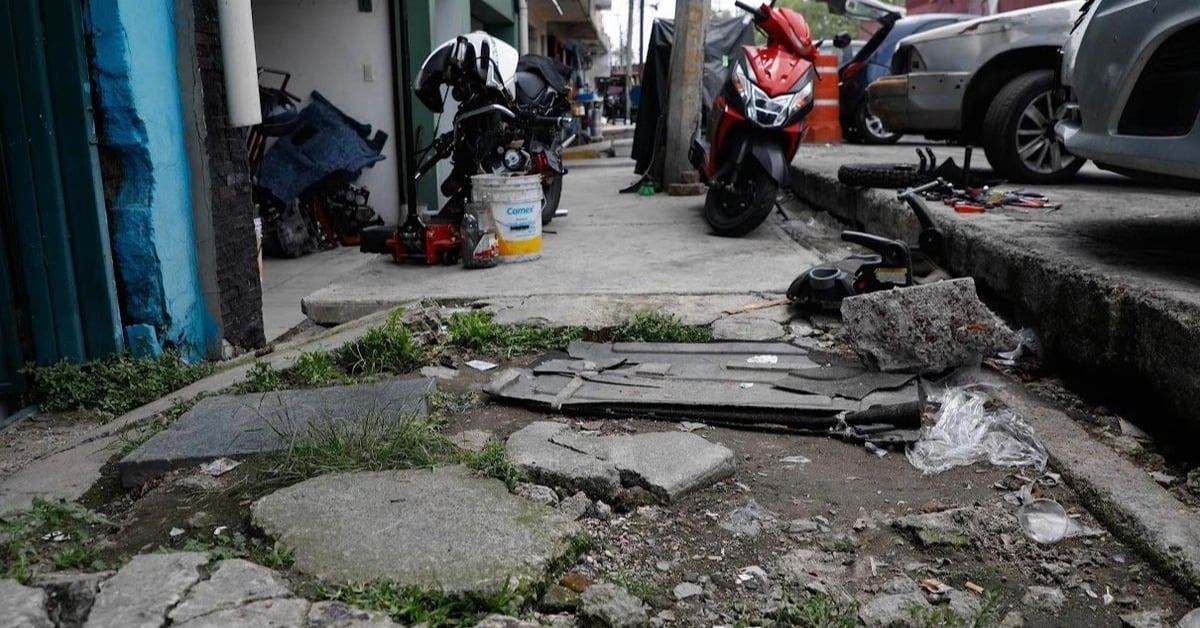
The city promised smoother streets this year. Yet with two-thirds of 2025 already behind us, boroughs report spending under 40 percent of what they set aside to fix potholes and sidewalks. The pace is far from reassuring for residents who dodge craters daily and for businesses that depend on reliable delivery routes. The headline number is stark. However, the details matter, and they reveal a more complex story about how City Hall and the 16 boroughs divide responsibilities—and how this can hinder progress.
CDMX pothole repair funds
Boroughs report a 39.6 percent execution rate on funds grouped under “urban infrastructure and security,” which covers work such as pothole patching and sidewalk repairs. In pesos, that is 5,213.5 million spent by mid-year, according to the city’s second budget-progress report, as cited by La Jornada. The number signals weak delivery of the very works most residents can see and feel.
There is a parallel picture at the treasury level. City finance data for January–June shows that, across transfers to boroughs, only a little over a third of resources had been exercised by midyear. That metric is broader than potholes and sidewalks, but it underlines the same issue: execution lag.
What the midyear numbers actually measure
The 39.6 percent figure does not mean streets were ignored. It reflects the share of a category of borough spending committed or paid by June. Some works are contracted late and are recorded in the books in the third or fourth quarter. Others are removed from the borough ledger entirely when the central government takes them on in citywide programs. Still, the midyear gap is large for work that’s supposed to be routine and continuous.
Borough budgets are included within a larger city budget that has increased this year. Even as total resources increased, delivery of basic maintenance struggled to keep pace, raising questions about planning, procurement bottlenecks, and the timing of the rainy season. Residents do not experience “budget execution.” They experience loose gravel, standing water, and twisted ankles.
A new night bacheo push collides with slow borough delivery
City Hall launched a night pothole program in August, promising 50 brigades working 10 kilometers each night and repairs within 48 hours of a report. It aims to cover 1,000 kilometers in 100 days and avoid daytime gridlock. That can help, especially after heavy rains. But the program does not replace steady borough-level patching and sidewalk fixes near homes, shops, and schools.
A broader resurfacing plan is also underway for 217 primary roads, with a stated target of 1,250 kilometers and a multi-billion-peso outlay, running through the same period. The ambition is real. Whether the benefits reach neighborhood streets depends on coordination with borough crews—and on actually allocating money to poured asphalt and rebuilt slabs.
Why execution lags when money is available
Midyear slowdowns have familiar causes. Contracts bunch up late. Bids get challenged. Weather windows close. And when central programs target big avenues, boroughs sometimes hold back to avoid duplicate work on intersecting streets. None of those dynamics excuses leaving obvious hazards in place. They do explain how a city can announce aggressive night crews while residents still zigzag around the same holes on the walk to the market.
Finance tables suggest the lag is not isolated to one or two boroughs. It is systemic at the period cut-off. That makes the next quarter decisive: a sprint to convert budget lines into safe, passable surfaces before the end of the year.
What to watch in the next quarter
Two tests will show if the curve bends—first, the official third-quarter execution report. If boroughs clear half of their urban works budget by September and make rapid progress in October–November, the midyear hole will be a timing issue. If not, it is capacity. Second, the lived test: fewer tire blowouts and steadier footing after storms. A city that repairs within 48 hours should demonstrate this block by block, not just in press releases.