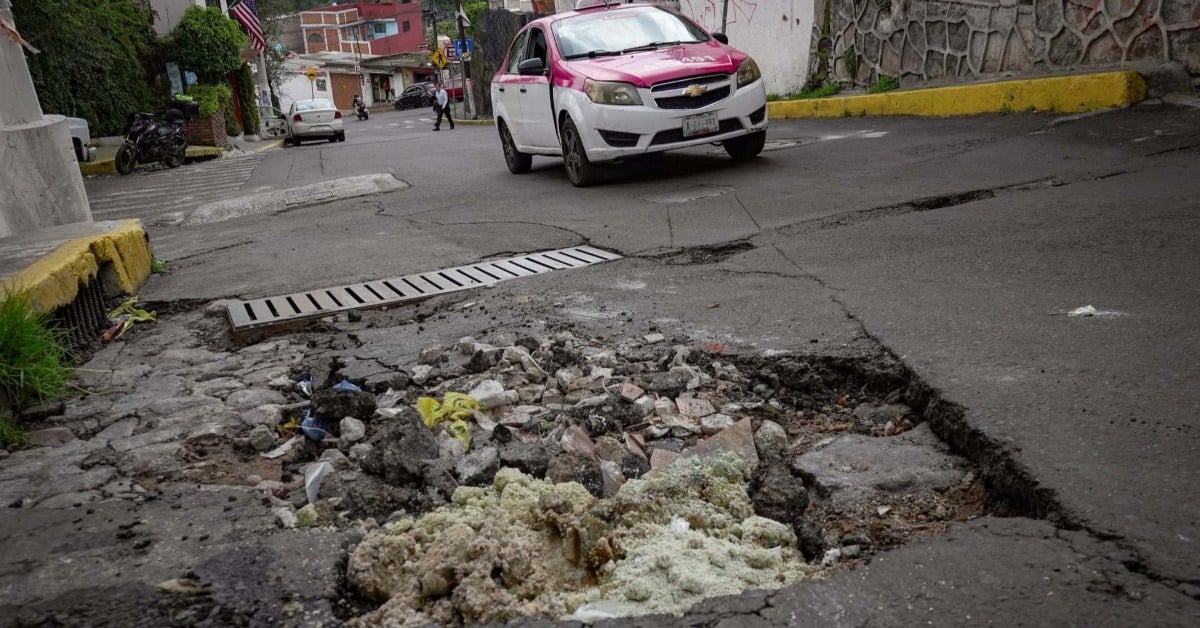
CDMX is grappling with 153 road sinkholes this year, city officials confirmed, a surge blamed on intense rains and battered drainage. Emergency crews say they have addressed most cases and will move to night repairs on primary corridors while a larger paving push starts in October. The measures could ease traffic pain and reduce crashes, but the root causes—saturated soils, aging pipes, and years of deferred maintenance—will test budgets and patience. Here’s what the numbers mean, where fixes are headed, and how it could affect your commute and neighborhood.
CDMX road sinkholes
Mexico City has logged 153 road sinkholes so far this year, a figure that already surpasses last year’s tally and lays bare how heavy rains and fragile underground networks are stressing the capital’s streets. The city counted 37 sinkholes on primary avenues and 116 on secondary roads. Officials say they have addressed the vast majority, but the pace of new collapses during downpours has kept crews on constant rotation.
A morning repair on Calzada Ignacio Zaragoza captured the problem in one image: a yawning cavity, police detours, and long queues of buses and cars inching past the work zone. The scene has played out in different corners of the city since June, when storms intensified and weak spots began to fail.
What the city says it will do
The government is shifting to night work on primary roads to limit daytime gridlock. Crews will operate from 10 p.m. to 5 a.m. with a target of 10 kilometers of roadway treated each night. The aim is to reach more than a thousand kilometers of primary corridors by December. During the day, a dedicated team will respond to emergency reports flagged through 311, and a new chatbot will be designed to route complaints and trigger rapid dispatch.
A separate paving program will start in October and run into mid-2026, with billions of pesos earmarked to rebuild priority stretches rather than patch them. The pitch from City Hall is simple: stabilize the worst corridors now, then put down longer-lasting surfaces as funds and weather windows allow.
Why the number is rising
The surge has multiple drivers. Rains have been intense and sustained, loading water into soils that are already saturated. Where drainage is cracked or silted, runoff erodes sub-layers and undermines asphalt. Many of the city’s streets sit above old lakebeds and mixed fill; when water finds a path through voids or along failing pipe joints, cavities form, and the surface collapses.
The pattern also reflects backlog and wear. Even after years of “bachetón” campaigns, maintenance can lag behind the sheer volume of defects that appear each season. When crews triage the most significant holes, more minor failures can widen into sinkholes, especially on bus corridors and heavy freight routes.
What this means for commuters and neighborhoods
For drivers, the immediate risk is obvious: a tire or axle destroyed by a sudden drop, or worse, a crash caused by a last-second swerve. For bus riders and delivery workers, the impact shows up in lost time, reroutes, and unpredictable schedules. Businesses along repair zones often see fewer customers while lanes are closed. Neighborhood streets take overflow traffic and, in turn, suffer faster deterioration.
Insurance claims also rise during sinkhole seasons, and residents face the burden of documenting damage and proving a public-way failure caused it. The government’s 48-hour response promise, if met, would help close the loop faster, but it will take sustained execution for commuters to feel the difference.
The long game
Night work and fresh asphalt can reduce immediate hazards, but durable gains depend on what lies beneath. Replacing compromised sections of storm drains, sealing joints, and improving catch basins will slow the formation of voids. Better street grading and flood routing can keep water from ponding and pushing into weak sub-bases. In the medium term, transparent dashboards showing where and when repairs happen—and how soon new defects reappear—would build public trust and guide smarter spending.
Ultimately, the metric that matters isn’t only how many sinkholes get filled, but how many don’t form next season. That will be the test of whether this year’s emergency patching and the paving plan deliver more resilient streets for a city that lives with rain, weight, and ground movement every day.