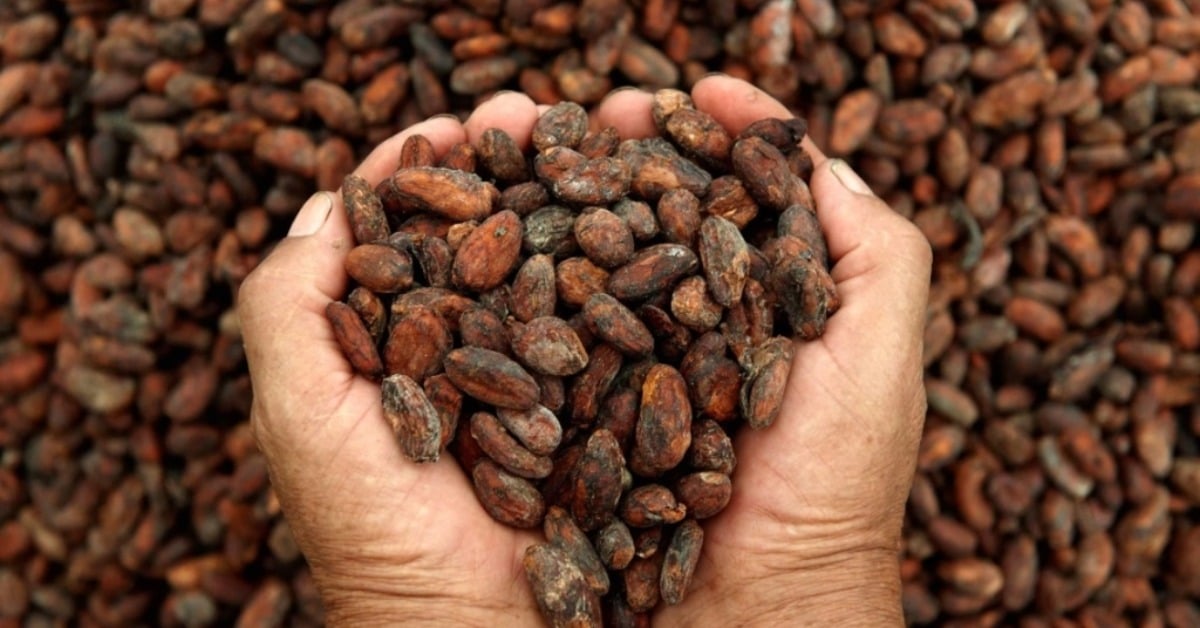
On September 2, Mexico celebrates cacao and chocolate. In Chiapas, that tribute is more than a hashtag. It’s families drying beans on patios, the smoky aroma of toasting nibs at community stalls, and cups of pozol passed from hand to hand on a hot afternoon. This is a living economy with ancient roots and modern headwinds—from plant disease to whiplash prices. As the state hosts its cocoa festival, Chiapas cacao heritage stands at a crossroads: proud, resilient, and still central to daily life.
In Tuxtla Gutiérrez, the state congress became a market of scent and sound. Producers poured tasting samples; bakers broke bars and snapped brittle; elders explained how their parents planted under shade, the way their parents did before them. The celebration coincides with Mexico’s National Cacao and Chocolate Day on September 2, a formal nod to a crop that predates the republic and still feeds it.
Chiapas cacao heritage
Soconusco, in southern Chiapas, has supplied prized cacao since Mesoamerican times. For centuries, its beans moved along coastal trade routes, into kitchens and rituals far beyond the state line. That long memory still flavors today’s cups and kitchens—Pozol—a chilled blend of maize and cacao—anchors mid-day breaks. Tascalate mixes cacao with maize and achiote for a drink that is equal parts refreshment and history. The crop’s story is not a museum exhibit; it lives in patios, mills, and neighborhood storefronts.
Chiapas remains Mexico’s second-largest cacao producer after Tabasco. Together, the two states account for virtually all national output. On the ground, that means tens of thousands of families harvesting, fermenting, and drying beans in small batches, often with tools that look a lot like their grandparents’—because they are.
A livelihood built under shade
Most Chiapas cacao grows in agroforestry systems. Trees throw a generous canopy over the plots, cooling the air and tempering storms. Beneath them, cacao shares space with timber and fruit. These mixed plots store carbon, protect soil, and keep local biodiversity alive. Farmers describe the work as a balancing act: pruning for light, cleaning for airflow, picking before pests do. Good shade can be the difference between a decent harvest and none at all.
The system’s ecology is also its hedge against shocks. As the climate throws harder punches, diversified plots recover faster than monocultures. That resilience matters in Chiapas, where the crop sits beside coffee, mango, and plantain in family budgets. When one falters, another can carry the month.
A taste of daily life
Walk into any market in the Central Valley and you’ll find that cacao is more than just chocolate bars. It’s ground paste folded into atole; it’s powder ready for tascalate; it’s pozol ladled into jícaras for field crews and taxi drivers—the drinks bridge households and history. Recipes vary by town and family, but the throughline is clear: cacao as food, not just dessert.
Those local uses keep money nearby. Small shops buy from nearby farmers. Festivals move inventory, but weekday cups keep the lights on.
Prices, disease, and a delicate future
Global cocoa prices whipsawed over the past two years, as disease and weather hammered West African supply. Mexican farmgate prices rose in 2023 and cooled into 2025, leaving some Chiapas producers squeezed between higher costs and softer local demand. Income swings are not new in cacao, but the amplitude has grown.
Plant disease is the other constant stress. Moniliasis—frosty pod rot—has stalked the region for two decades. In bad years, it can wipe out most of a harvest. Farmers fight back with pruning, sanitation, and timely harvests. Researchers in Chiapas are testing biological controls and resistant material. Progress is real, but vigilance is daily work.
A day on the calendar, a year in the fields
A national day raises visibility. In Chiapas, it also opens space for contracts, trainings, and tastings that build a more resilient market. Festivals can’t fix plant disease or volatile futures markets, but they can shorten the distance between farmer and buyer and remind urban consumers that chocolate starts as a fruit, sticky and white, in someone’s hand.
Chiapas cacao heritage endures because people carry it. The crop sits at the table in drinks and sweets; it shades patios in living green; it pays school fees one sack at a time on September 2—and on a hundred ordinary days after—Chiapas shows how a bean can be both culture and livelihood, past and possibility.