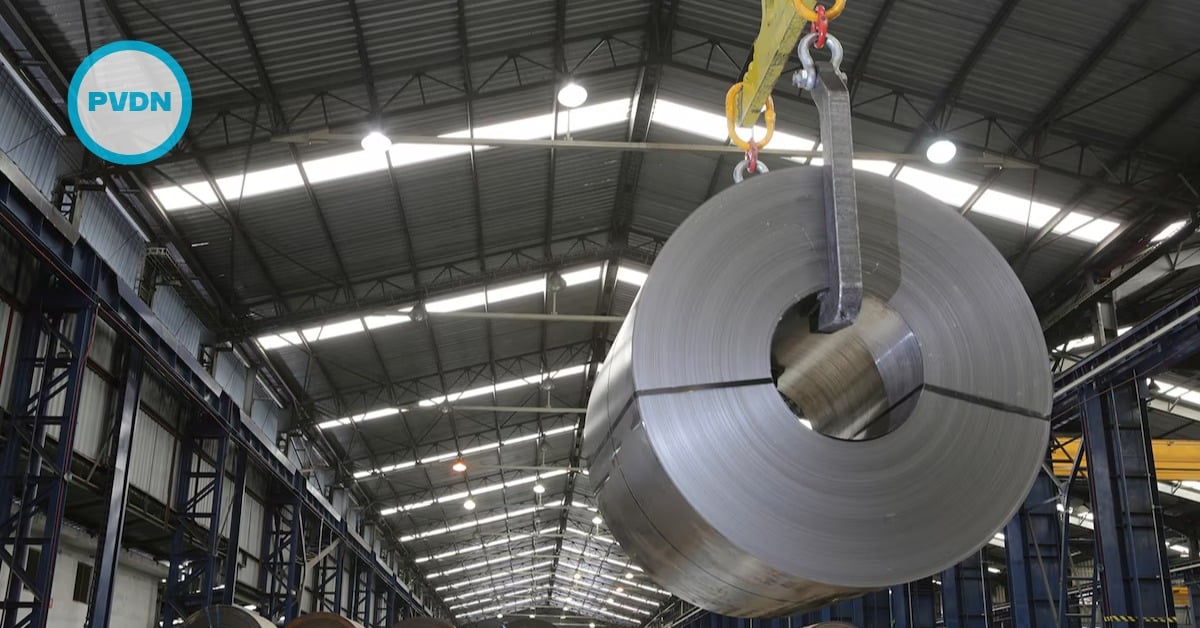
Mexico’s steel executives are sounding the alarm about a sudden swell of discount metal washing across Latin America, undercutting local mills and squeezing margins on everything from rebar to auto-grade sheet. Their concern lands as regional demand cools and trade defenses harden in the United States, diverting more foreign tons toward markets like Mexico, Brazil, and Colombia. Industry leaders at this week’s regional gathering in Cartagena urged a coordinated response before weak prices lead to layoffs.
What’s driving the anxiety isn’t just rhetoric. Regional data show that Chinese shipments have grown dramatically over time, and imported rolled steel now represents an outsized share of consumption in Latin America. The steel association Alacero reports that Chinese exports of finished and semi-finished steel to the region have risen roughly 233% in the past 15 years, while imported rolled steel’s share hit 40.3% in the first half of 2025—historic levels that leave local producers fighting to hold contracts.
Chinese steel imports
Mexico sits at the choke point of several forces. First, Washington restored full “Section 232” tariffs on steel in 2025 and expanded coverage to more downstream goods, alongside stricter “melted and poured” standards. That makes it harder to route non-North American steel into U.S. supply chains and encourages traders to redirect surplus tonnage to Latin markets. Second, Mexico itself has raised tariffs on a wide basket of products from countries without a trade agreement—a move widely seen as hitting China hardest—yet the measure’s effectiveness depends on enforcement and on whether key steel items face meaningful duties at the border.
Inside the industry, company voices are getting louder. Monterrey-based Deacero warned this week that a surge of Chinese iron and steel is displacing North American production and urged tighter origin rules within USMCA to stop duty-dodging via third countries. That message resonates beyond Mexico’s borders: regional producers argue that Asia’s subsidized overcapacity distorts prices and hollows out value chains, weakening everything from mining services to pipe fabrication.
The overcapacity story is not new, but it has deepened. Alacero’s 2025 analysis ties much of the global glut to projects bankrolled or supported by Chinese capital across Southeast Asia, often with tax breaks, cheap power, or favorable financing. Those tons—whether melted in China or in Chinese-backed mills abroad—feed export pipelines when domestic demand dips, pushing cut-price steel into price-sensitive markets across the Americas. For buyers, the appeal is immediate: lower input costs. For mills, the math is brutal: fixed-cost plants can’t chase every discount without bleeding cash.
Mexico’s policy dilemma lives in that tension. The country is betting heavily on nearshoring, with new auto and appliance lines announced across the north and Bajío. Those investments assume reliable local steel, competitive prices, and predictable rules. Push duties too high or too broad, and downstream factories may see cost spikes; push too little, and domestic melt shops lose volume and delay upgrades. That balance is already under stress as contractors report thinner margins on construction steel and distributors juggle inventories in case new barriers arrive mid-contract.
What Mexico can do next
In the short term, the cleanest lever is rigorous screening of origins and subsidies. The U.S. experience—tight “melted and poured” definitions, audits for misclassification, and expanded coverage to downstream products—offers a template that Mexico can adapt without mirroring every tariff line. Mexico’s recent tariff package aimed at non-FTA partners is a start, but its bite will depend on how customs classifies semi-finished forms and whether authorities move quickly against transshipment schemes. Stronger cooperation with the U.S. and Canada on a revived steel committee could also synchronize enforcement and reduce loopholes that invite arbitrage.
Medium term, industry leaders argue for a regional competitiveness play: cheaper industrial power for EAF mills, accelerated permits for capacity debottlenecking, and public procurement rules that value low-carbon, traceable steel. That package aligns with the nearshoring pitch to global automakers, who are under pressure to disclose Scope 3 emissions and will favor traceable North American melt when costs are within reach. The alternative is a slow erosion—more imported sheet in chassis and appliances, fewer maintenance outages funded at domestic mills, and a skills drain from the industrial heartlands.
For workers in Monterrey, Monclova, and the central corridor, the stakes are immediate: overtime and hiring when mills run full; furloughs when imports scoop up bids. For Mexico’s economy, the question is broader. If Chinese steel continues to arrive at prices domestic plants can’t match—because the cost base is subsidy-tilted abroad—defensive tools become part of the industrial policy mix, whether we like it or not. Executives aren’t predicting a tsunami to be dramatic; they’re warning that an incremental swell can still drown a plant one quarter at a time.