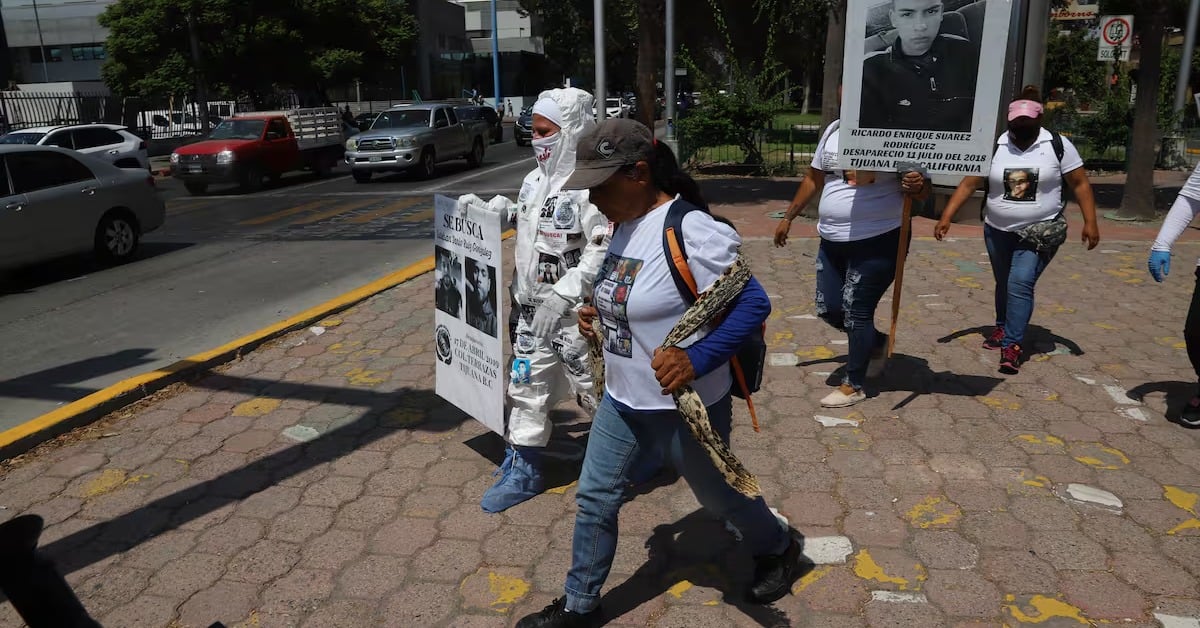
Baja California, Mexico – Families of the disappeared in Baja California say the state’s call to seat a Citizens’ Search Council is overdue and necessary. Rights groups agree. They see a chance to bring families’ experience into decisions that affect searches, identifications, and accountability. The invitation—published in the state’s official gazette—asks families, experts in disappearance law and forensics, and NGOs to step forward.
Citizens’ Search Council in Baja California
The council will sit beside the state’s Missing Persons Search Commission as an oversight and advisory body. It is not symbolic. Members help review strategies, press for transparency, and keep policy focused on victims. Five seats are reserved for relatives of the disappeared, two for recognized experts—at least one forensic—and two for civil society organizations. Service is honorific and cannot coincide with public office.
Families welcomed the call. One longtime advocate, Fernando Oceguera of Unidos por los Desaparecidos, said bringing rights experts into the room helps ensure decisions favor victims, not bureaucracy. For families who have spent years searching, being heard is the point.
Why this matters now
Baja California continues to report new disappearances while older cases remain unresolved. Independent monitors say Tijuana concentrates the largest share of the state’s cases, and that totals have climbed in the past year. Those numbers keep pressure on the local commission and prosecutors. A citizen council—rooted in families’ experience—can help keep that pressure productive and public.
This state step also lands during a national reset. Mexico’s Interior Ministry opened a process to name a new head of the National Search Commission after the previous director’s resignation in late July. Victims’ groups want meaningful participation there too. The state council, if seated with credibility, becomes one more lever families can pull.
What the call asks for
The legislature’s agreement spells out who can be proposed and what they must present. Proposals come from family organizations, human-rights groups, organized victim collectives, or individual experts in disappearance, search, and human rights. The law requires the council’s staggered terms: some members serve one or two years to ensure rotation, then standard three-year terms with the possibility of non-consecutive reelection.
Submissions must be delivered to the State Congress in Mexicali. After an initial review, shortlisted candidates will be called to present documentation within a set window and sit for a public interview by the Governance Committee. If the call falls short of the minimum number of candidates, the period can be extended. The rules aim for a competitive, transparent process.
How families can participate
For family collectives, the file begins with proof of the group and its representation. Civil associations must add articles of incorporation and basic legal paperwork. Independent experts must show a current CV and recognitions in relevant fields, including forensics. Everyone must file a letter explaining why they want to serve. The committee may verify documents and request more information.
The call sets a clear clock: proposals run for twenty business days from publication in the official gazette. After that, shortlisted nominees have ten business days to submit certified documents. If the field is too thin, the committee may extend the window and re-issue the call.
The test ahead
Families are clear about the stakes. They want a council that works, not a box checked. That means members who read case files, question delays, and push for better use of forensic tools and databases. It also means keeping the public part public: open interviews, clear criteria, and meeting minutes that people can actually find.
If the process holds, Baja California can move from a vacancy to a functioning body with real moral weight. That won’t solve the crisis. It does give families a formal seat at the table, with a mandate grounded in law—and a responsibility to use it.