Mexico’s president joins a global list of style leaders as her embroidered looks spotlight Indigenous artisans and pressure big fashion brands.
Mexico’s President Claudia Sheinbaum has been named to a high-profile list of the 67 most elegant people of 2025, placing her alongside entertainers, religious leaders and other global figures whose clothing shapes public conversation. The list, compiled by The New York Times, describes her not as a traditional fashion icon, but as a head of state who uses style to project a clear political and cultural message.
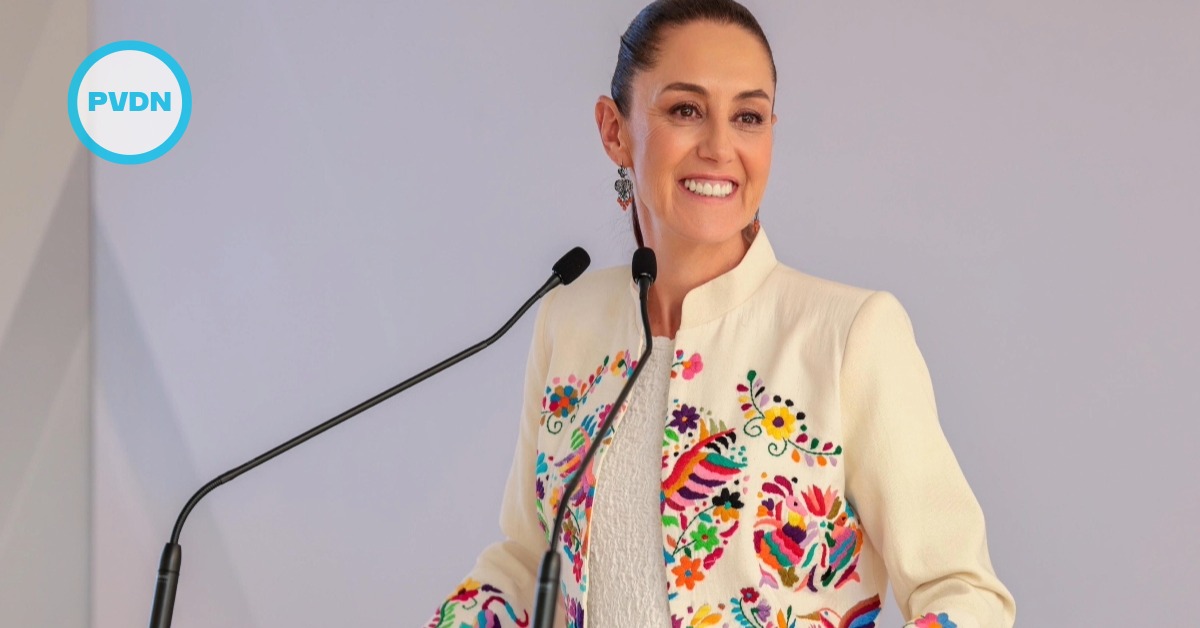
The profile highlights Claudia Sheinbaum style as distinctive for its frequent use of huipil-inspired jackets, brightly embroidered panels and textiles created by Indigenous artisans from across Mexico. Rather than rotating through luxury labels, Sheinbaum is more often seen in repeat silhouettes that foreground color, pattern and craft. Her wardrobe has become a visual shorthand for the themes she stresses in speeches: social inclusion, regional identity and respect for communities that rarely appear on the world’s front rows.
That approach stands out in a list dominated by celebrities and power brokers. While other names on the roster are known for couture gowns or designer streetwear, Mexico’s president is singled out for garments that are intentionally local. For observers inside and outside the country, her appearance on the list confirms that what she wears has become part of how she governs — and how she wants Mexico to be seen abroad.
Claudia Sheinbaum style as political statement
Sheinbaum’s rise as a style reference did not begin with this latest recognition. Long before taking office as Mexico’s first woman president, she leaned on embroidered blouses, rebozos and tailored jackets with woven panels while serving as head of government in Mexico City. Those pieces often came from collectives of women artisans who combine traditional techniques with contemporary cuts.
From the presidential palace, she has tied that aesthetic to policy. Her administration has backed “Original,” a federal initiative that promotes Mexican handicrafts and aims to stop large companies from copying designs created by Indigenous women without credit or payment. The program brings artisans face-to-face with buyers and highlights the communities behind well-known motifs, from Triqui textiles in Oaxaca to Mayan embroidery in the southeast. It is both a marketplace and a statement about intellectual property belonging to villages, not just fashion houses.
Sheinbaum has also used her platform to call out global brands when controversy arises. When a major sportswear company released a collection that activists and officials said closely mirrored Indigenous patterns, she joined the chorus of criticism and pushed for a response. The company later apologized and adjusted its designs. Episodes like this explain why the New York Times profile emphasizes not only how she dresses, but how she confronts the fashion industry when it borrows too freely from Mexican culture.
At the same time, her style choices are careful. The silhouettes stay relatively sober: fitted jackets, straight skirts, low heels. The color and symbolism come from the textiles themselves rather than from experimental cuts. For supporters, that balance signals seriousness about governing while still centering Indigenous creativity. For artisans, having the president appear on international lists wearing their work sends a message that their craft belongs on the same stage as any major label.
Recognition from abroad has reinforced that image. A British magazine devoted to global affairs and design recently profiled Sheinbaum for the way she incorporates Indigenous embroidery into formal outfits, describing her clothes as a symbol of power and authenticity. In that feature, she appeared alongside other world leaders whose wardrobes are read as extensions of their political brands. For Mexico’s president, being grouped with them underscores that her visual language is now part of a broader conversation about how leaders present themselves.
Fashion, cultural credit and future battles
The latest honor from the New York Times arrives at a tense moment in global fashion. Mexican textiles, ceramics and jewelry have become highly desirable in luxury and fast-fashion markets, even as many communities struggle with poverty and limited bargaining power. Legal disputes over copied designs, from Indigenous sarapes to distinctive embroidery styles, have become more common.
In that context, having a sitting president who foregrounds Indigenous work sends a signal to both domestic and international audiences. It tells voters that artisans are not an afterthought in tourist brochures, but central actors in the country’s cultural economy. It tells global brands that Mexico’s government is watching how they treat traditional designs. And it tells young designers that there is room at the top of politics for clothing that looks like the towns and villages where they grew up.
There are limits to what symbolism can do. The designers and collectives whose work appears on presidential jackets still face uneven markets, limited access to capital and the constant risk of seeing their motifs reproduced without consent. Programs like “Original” and public pressure on copying brands are steps, not solutions. But visibility matters, and the image of Mexico’s first woman president stepping onto global lists wearing Indigenous embroidery is now part of that story.
For Sheinbaum, the recognition is likely to reinforce a strategy she has followed for years: treating the wardrobe not as a personal indulgence, but as one more tool to push policy and identity. Every time she appears in a new embroidered jacket on the world stage, she is not only dressing for the cameras. She is also carrying the work of artisans who, for generations, saw their patterns travel the globe without their names attached. In 2025, that difference is finally being noticed — and, at least in one influential list, celebrated.