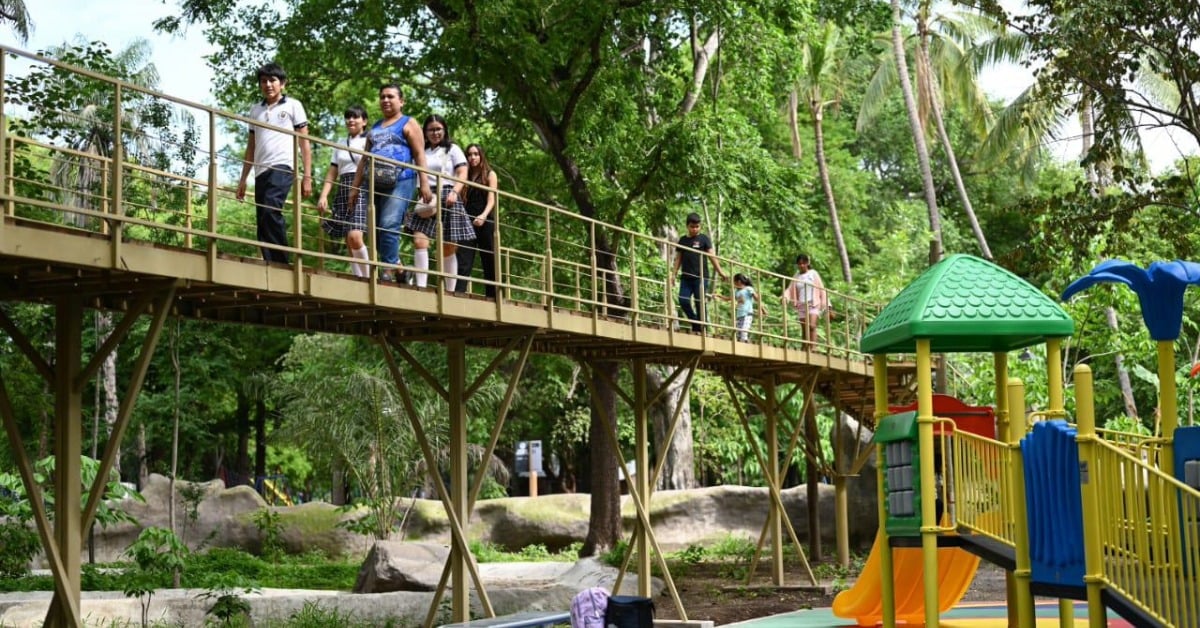
Colima’s Regional Park “Griselda Álvarez” closed its first month back with crowds that exceeded expectations. Local counts put attendance at more than 80,000 entries, a number propelled by free programming and a steady weekend rhythm.
Colima Regional Park visitors
Breakdowns shared by local outlets show 63,417 visits in July and 17,211 through August 11, bringing the total to about 80,600 at that point. The park’s calendar—concerts, theater, dance, and science demos—kept families on the grounds longer than a quick stroll. It was summer entertainment without ticket lines.
Free access mattered. The state promoted the reopening with no-cost activities through July and into August, framing the space as an affordable outing near the city center. That strategy, paired with a refreshed lakeside and trails, helped restore the park’s habit of being part of daily life.
What people actually did
Participation figures tell the story behind the gate count. Reports cite more than 5,000 people in workshops and 38 stage shows across the month. On the attractions side, there were over 23,000 bike rides, 7,800 boat outings on the lake, and nearly 4,000 turns on the zipline and climbing wall—again, all free. The most popular classes included a bird-watching workshop that drew about 4,800 attendees and a community painting session led by state staff.
The result was a park that felt programmed, not just open. Weekends layered small vendor markets around the amphitheater while performances pulled families to stay into the evening. The mix made the space predictable in a good way: arrive and there will be something to do.
Why it matters for Colima
Parks earn their budgets when they earn habits. The attendance surge suggests the reopening did more than refresh facilities; it rebuilt routine. A free, dense calendar turned the lake, trails, and amphitheater into a reliable option for families watching costs this summer. If that programming cadence holds into the school year, the park’s comeback could shift from novelty to norm.
Authorities say activities remain free through August, with updates posted via state and local channels. The follow-through test comes in September: if events stay frequent and accessible, expect weekend counts to stabilize above pre-closure levels. For now, the headline is simple—open the gates, make it free, and the city shows up.