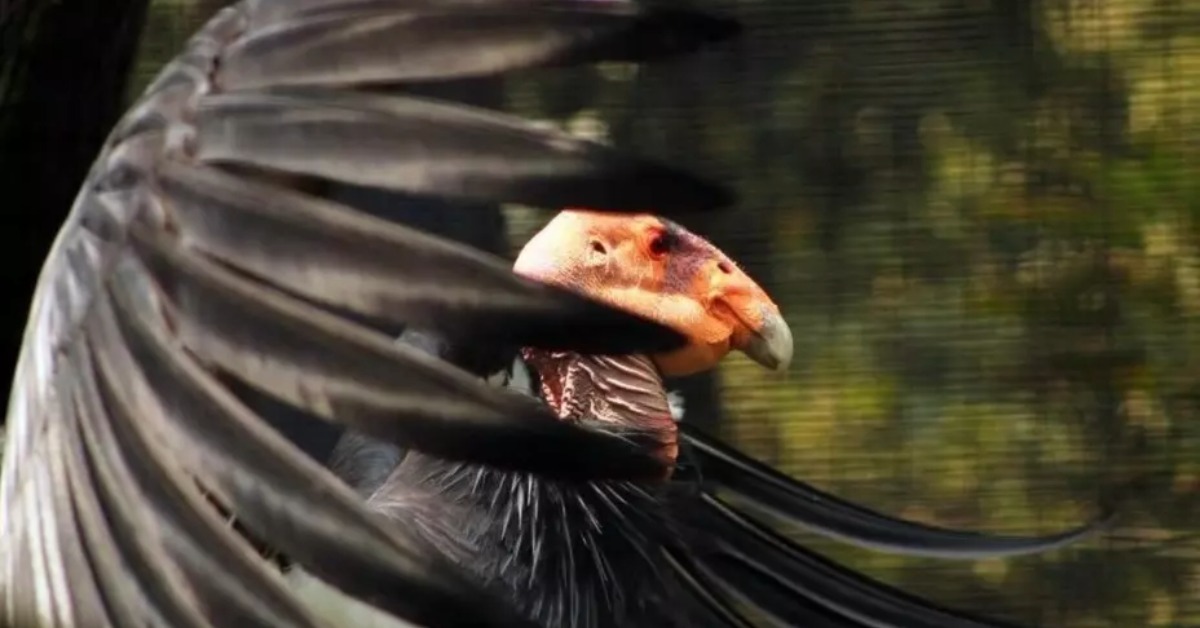
Ensenada, BC – Two young California condors, one of North America’s most emblematic and endangered birds, are slated to leave Chapultepec Forest and begin the next phase of their recovery in the wild. The birds—Tuwálo, a male born on February 2, 2024, and Kuiiy, a female born on March 8, 2024—were hatched at the Chapultepec Wildlife Conservation Center and are being transferred to the Sierra de San Pedro Mártir in Baja California to start their adaptation to free-flight life.
The move is part of a long-running binational conservation program between Mexico and the United States to restore the California condor to its historical range. Once declared extinct in Mexico in 1939, the species has been slowly coming back through coordinated breeding, release, and habitat protection efforts that began in the early 2000s.
A rare breeding success outside the U.S.
Chapultepec’s contribution is notable: with these two new chicks, the center has produced 13 condors for the recovery program, making it the only zoological institution outside the United States to successfully breed the species and the first in Mexico to directly feed birds into reintroduction efforts.
Both birds have been microchipped and prepared under veterinary supervision for their eventual release. Their upbringing is designed to minimize imprinting while ensuring they receive the health checks and conditioning needed to survive once they move to the rugged skies of Baja California.
Coordinated transfer and the next stage
The transfer is being executed with multiple agencies involved: Mexico’s National Commission for the Natural Protected Areas (CONANP), the Ministry of Environment and Natural Resources (SEMARNAT), the Baja California state government, and international partners including ENDESU and U.S. Fish and Wildlife Service affiliates. Military and logistical support has come from the Mexican Navy, which has previously helped transport condors from Mexico City toward their release zones.
Once in the Sierra de San Pedro Mártir, the birds will undergo a staged adaptation, a pre-release acclimation process where they are monitored and gradually exposed to conditions they will face in the wild. That region was chosen for its relative isolation, lower human disturbance, and the success of previous reintroduction efforts dating back to 2002, when the program first returned condors to their historical home in the Sierra after decades of absence.
Rebuilding a population and ecosystem role
The recovery effort in Baja California has seen measurable progress: over two decades, the condor population in and around Sierra de San Pedro Mártir has grown from zero in Mexico to dozens now thriving, with wild births and successful breeding in situ. That growth reflects intensive habitat management, threat mitigation, and careful release strategy.
California condors serve as ecological cleaners—scavengers that help cycle nutrients and limit disease spread—and their return is both symbolic and practical in restoring functions lost when they vanished. The broader program aims to establish a self-sustaining population in the Sierra, leveraging its relative protection from threats like lead ammunition and human encroachment that hinder recovery elsewhere.
Binational momentum and what’s next
The ongoing California condors reintroduction Baja California initiative depends on sustained collaboration, funding, and public awareness. The U.S. Fish and Wildlife Service continues its role in captive breeding, threat mitigation, and population monitoring, while Mexican agencies manage on-the-ground releases and habitat protection.
These two chicks represent both a continuation and a renewal: continuation of a recovery arc started with the first releases in 2002, and renewal of public and institutional commitment in a period when endangered species worldwide face mounting pressures. Their successful adaptation will be watched closely by conservationists on both sides of the border as another tangible step in restoring a species that once vanished from Mexican skies.
Looking forward
If the adaptation phase proceeds as planned, Tuwálo and Kuiiy could join the growing wild population, contributing to the program’s long-term goal of a robust, self-sustaining California condor population in Baja California. Each successful integration into the wild also strengthens the scientific and logistical framework for future releases, making the program more resilient and scalable.
The birds’ flight from Chapultepec to the Sierra is more than a transport—it’s a marker of recovery progress, a cross-border success story, and a reminder that endangered species restoration requires patience, coordination, and persistence.