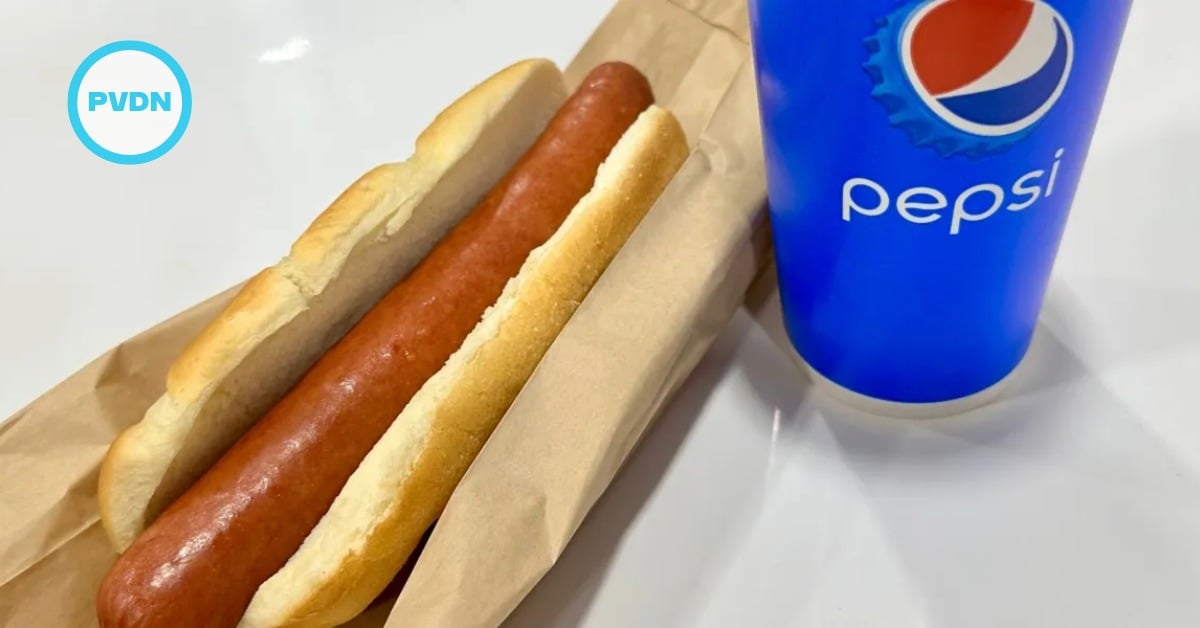
Costco’s famous hot-dog combo isn’t just a snack. In Mexico, it’s a window into how the retailer keeps prices stubbornly low while rivals blink. A rare on-the-record walkthrough from Costco Mexico’s finance chief points toward one big idea: control the chain. From an industrial hub in Hidalgo to in-house production of everyday staples, Costco cuts middlemen and trims waste. The result is a 35-peso dog, fast product turns, and lines for cakes that some people even resell. Here’s how the playbook works, and where it may go next.
The hot-dog combo that explains Costco’s Mexico math
Costco’s 35-peso hot-dog-and-soda combo is more than nostalgia. It’s a loud headline for a quiet operating philosophy: own what matters, move goods fast, and let membership habits do the rest. On October 16, Costco Mexico CFO Mauricio Talayero sketched the blueprint in public, tying the bargain dog to the company’s logistics spine and selective vertical integration.
At the center is a distribution node in Tepeji del Río, Hidalgo, feeding 42 warehouses nationwide. The traffic is relentless—“if 120 trailers come in, 80 go out,” Talayero said—because assortments are tight, seasons are anticipated, and inventory doesn’t loiter. That discipline, plus a pipeline of imports through Laredo, Tamaulipas, sets the stage for eye-catching prices that turn into viral moments on social media.
Costco Mexico pricing
Talayero’s point is valid because it aligns with Costco’s global pattern. The company locks in certain symbolic prices, then engineers backward. In the U.S., executives have repeatedly vowed that the $1.50 hot-dog combo is “safe.” The promise is upheld not by magic, but by vertical integration: Costco manufactures its own quarter-pound dogs and runs a poultry complex that supplies the famous $4.99 rotisserie chicken, keeping tailwind items cheap while the membership machine hums. Costco Mexico pricing draws from the same toolkit.
That poultry complex is not a rumor. In Fremont, Nebraska, Lincoln Premium Poultry began processing birds for Costco in 2019. It’s a whole chain—from hatch to harvest—built to stabilize cost and size standards and to blunt commodity shocks. Trade press reporting this summer highlights how automation has tightened yields and quality in the sector. The move is one reason Costco can maintain its $4.99 pricing without blinking.
Mexico’s version of that control shows up beyond food. Costco operates an optical laboratory, another in-house node that reduces outside markups and lead times on glasses sold in-warehouse. The company has showcased optical manufacturing in continuous-improvement tours, reinforcing the pattern: when a category is strategic, Costco tends to pull it closer.
The distribution math is equally concrete. Public filings this fall put Costco at 914 warehouses worldwide, including 42 in Mexico—a figure that matches Talayero’s remarks and the cadence of openings this year. With a single national DC in Hidalgo and standardized store layouts, Costco can concentrate inbound flows, keep working capital light, and refresh floors quickly. That’s the not-so-secret source of the “treasure hunt” vibe members post about.
What the hot dog reveals about growth, risk, and resale
The playbook’s side effects are visible on Mexican streets. Because prices at the bakery and prepared foods counters are sharp, resale of Costco cakes and pastries has become a micro-economy. Talayero didn’t scold it; he called it proof that the pricing works—sell a cake for around 180 pesos, slice it, and you’ve got margins for the market stall. That only happens when your upstream costs are nailed down and your DC is moving freight at speed.
Expansion is measured, not breathless. Talayero flagged gaps like Durango, Tampico, and Oaxaca, but also cautioned that Oaxaca isn’t in the immediate plan due to protest risks. Near-term, he pointed to new clubs in Mexico City’s División del Norte and Monterrey in 2026, and a possible fourth Guadalajara site—choices consistent with Costco’s threshold for population density and the brand’s habit of adding volume where logistics are proven. Independent tallies and Costco’s own sales updates confirm Mexico’s warehouse count and its rank as one of the company’s strongest international markets.
Zoom out, and the hot dog still matters. In North America, locking the combo at $1.50 has long served as a cultural price anchor. New finance chief Gary Millerchip reiterated that the emblematic tag is safe. In Mexico, the nominal price translates to roughly 35 pesos, a headline that signals discipline to members amid inflation headlines. The combo doesn’t need to make money; it needs to validate the trip, defend the membership, and get shoppers past the bakery. That’s the strategy the hot dog makes visible.
Mexico is one of Costco’s fastest-growing markets. If Tepeji keeps humming and the company keeps picking categories to internalize—chicken yesterday, optics for years—the pricing ceiling stays low on items shoppers talk about. That’s fuel for the membership engine, and the reason a cheap hot dog can still explain a very modern, very Mexican retail strategy.