Cozumel’s reefs are one of the island’s biggest natural assets, but they also sit under growing pressure from tourism, boats, and coastal development. A new federal decree places more than 1.1 million square meters of shoreline and marine area under the care of Mexico’s protected-areas agency. The move sounds technical, but it could shape how parts of Cozumel’s coast are used, protected, and monitored in the years ahead.
Cozumel Marine Park Expansion Protects More Coastline
Mexico’s federal government has placed more than 1.1 million square meters of coastal and reef area in Cozumel under the service of the National Commission of Protected Natural Areas, known as CONANP.
The measure was published in the Diario Oficial de la Federación and covers 28 polygons of the federal maritime-terrestrial zone on the eastern side of Cozumel. The area runs from Punta Sur to Punta Molas, one of the island’s most environmentally sensitive stretches.
The decree assigns the land and coastal area for research, monitoring, environmental education, and activities compatible with the protected status of Arrecifes de Cozumel. In practical terms, it gives federal conservation authorities a clearer role over a large coastal strip tied to the island’s reef system.
The move does not mean CONANP now owns the land. The decree states that the agency receives the right to use the assigned surface for the purposes described in the agreement. It does not transfer property or create a separate real-estate right.
What the decree actually does
The federal action covers 1,112,476.050 square meters, approximately 111 hectares. The area is part of Mexico’s zona federal marítimo terrestre, the federal strip along beaches and coastal areas.
That matters because this zone is not ordinary private land. It is treated as public federal property. Uses can be authorized, restricted, or assigned by federal authorities, especially where conservation, tourism, public access, and development pressures overlap.
In Cozumel’s case, the assigned area will be used for environmental oversight and conservation-related work. The decree says the permitted uses include scientific study, monitoring, and environmental education. It also links the area to activities compatible with the decree that created the protected marine park.
This is why the measure is being described as an expansion of Cozumel’s marine-park protection. It strengthens CONANP’s role over coastal and reef areas connected to Parque Nacional Arrecifes de Cozumel, even though the legal wording is more precise than a simple boundary change.
Why Cozumel’s reefs matter
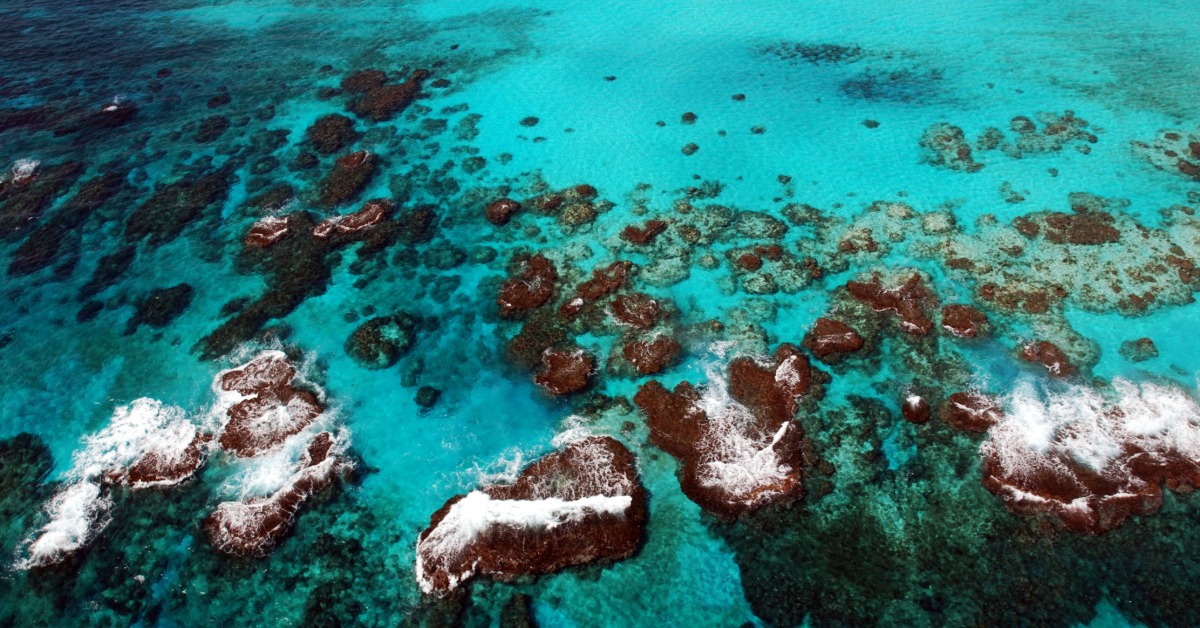
Cozumel is one of Mexico’s best-known destinations for diving and reef tourism. Its reefs are part of the wider Mesoamerican Reef system, which extends along the Caribbean coasts of Mexico, Belize, Guatemala, and Honduras.
For local residents, the reef is not just scenery. It supports dive operators, boat crews, guides, restaurants, hotels, and many other jobs tied to the visitor economy. For international residents and frequent visitors, it is also one reason Cozumel remains distinct from other Caribbean destinations.
But the reef system faces several pressures at once. Tourism brings income, but also vessel traffic, anchoring risks, pollution concerns, and pressure for more coastal infrastructure. Climate change adds another layer through warmer seas, coral bleaching, and stronger storms.
The new federal assignment does not solve those problems on its own. It does, however, give conservation authorities a stronger administrative basis for monitoring and managing a specific coastal corridor.
What may change on the ground
The decree includes limits on what CONANP can do with the assigned area. The agency cannot build, install structures, or carry out works without prior authorization from the federal coastal authority. It also cannot fence the area or block free transit through the zone.
The order bars permanent waste storage, wastewater discharges into the sea, and changes to the natural shape or conditions of the assigned area. It also restricts profit-making activity tied to the assigned surface.
Those limits are important for residents and businesses to understand. The decree is not a blanket approval for new federal construction. It is more narrowly framed as a conservation-use assignment.
For visitors, the immediate experience may not change much. Beach access, guided tours, and tourism services will still depend on existing rules, permits, and local conditions. Over time, however, the decree could support tighter monitoring of sensitive areas and clearer responses to activities that damage reefs or coastal vegetation.
A coastline already under pressure
Cozumel has spent years balancing two economic realities. The island depends heavily on tourism, especially cruise traffic and diving. At the same time, its value as a destination depends on the health of the very ecosystems tourism can strain.
That tension has been visible in debates over cruise infrastructure, reef protection, beach access, and coastal development. For many residents, the question is not whether tourism should exist. It is whether growth can happen without weakening the island’s natural base.
The new decree fits into that larger discussion. It gives federal conservation authorities more defined control over parts of the coast from Punta Sur to Punta Molas, an area with beaches, reef influence, and wildlife habitat.
It may also help reduce legal ambiguity in places where conservation, public access, and private interests meet. A clearer federal assignment can make it harder for incompatible uses to advance without scrutiny.
Why this matters to foreign residents
For foreign residents in Cozumel, Playa del Carmen, and the wider Riviera Maya, this is not only an environmental story. It is also a quality-of-life and local-economy story.
Healthy reefs help sustain local jobs and keep the region attractive for long-term residents. They also affect recreation, water quality, coastal resilience, and the island’s character.
The decree is also a reminder that many coastal areas in Mexico are governed by federal rules, even when they sit near private property, hotels, or tourist businesses. Beach and marine access can involve federal, state, and municipal authorities simultaneously.
For homeowners, business owners, and visitors, the important takeaway is simple. Cozumel’s eastern coastal zone is receiving stronger federal conservation attention. The details may be technical, but the direction is clear.
What comes next
The real test will be enforcement and follow-through. Mexico has many protected natural areas, but conservation depends on staffing, monitoring, coordination, and public cooperation.
CONANP will need to keep the assigned area clean and support environmental improvement efforts. It must also prevent uses that conflict with the decree, including unauthorized construction, wastewater discharge, and changes to natural coastal conditions.
Local businesses may watch closely for how the decree is applied. Environmental groups will likely focus on whether the new assignment leads to stronger protection in practice.
For now, the decree gives Cozumel’s reef and coastal system another layer of federal protection. In a destination built around the sea, that could become increasingly important.