A new look at coral restoration in Quintana Roo points to a larger story beneath the surface. These reefs are not just marine habitats. They help protect beaches, support fisheries, and sustain tourism along the Caribbean coast. But recovery is slow and difficult, especially as corals face warmer seas, disease, and continued development pressure. For many readers, this is the offshore issue that helps explain what is at stake onshore.
Coral restoration work highlighted across Quintana Roo
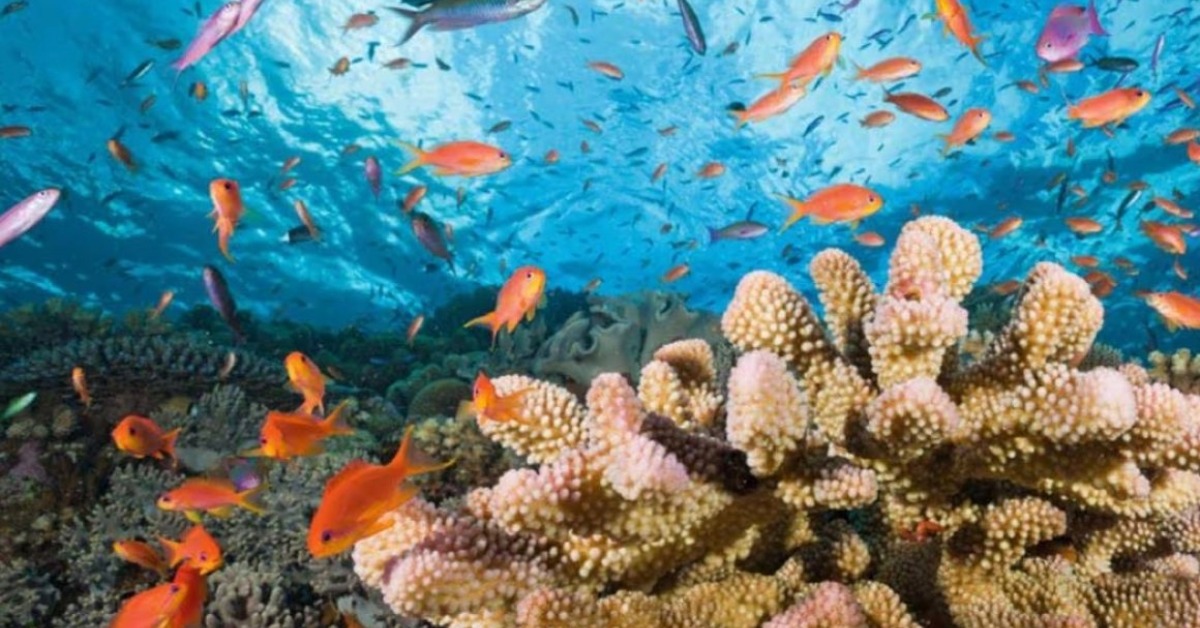
A recent report has drawn renewed attention to coral restoration in Quintana Roo, where reefs support marine life and help shape the Caribbean coast. That matters beyond divers and scientists. Reefs serve as habitat, nursery grounds, and feeding areas for fish and other marine species. They also help protect beaches and coastal communities. In a state where tourism, fishing, and shoreline stability are closely tied together, reef recovery is not only an environmental issue. It is also a public interest issue with clear economic and local consequences.
How reef restoration usually works
Restoration in the Mexican Caribbean often starts with coral nurseries. Fragments are grown in controlled settings or on underwater structures, then moved onto damaged reef areas. Some programs focus on Acropora corals, which are important reef builders and help create the structure many marine species depend on. In Quintana Roo, active restoration work has been documented in Puerto Morelos, Xcalak, and reef areas off Playa del Carmen. These efforts have brought together conservation groups, protected-area managers, tourism operators, and local communities. Federal fisheries researchers have also pursued larger-scale coral production in Puerto Morelos as part of broader restoration work.
Why healthy reefs matter on land too
The importance of reefs is easy to miss from shore, but their role is not small. Healthy coral structures help break wave energy before it reaches the coast. That can reduce storm damage and slow daily erosion. For Quintana Roo, where hotels, homes, roads, and beaches sit close to the water, reef health has direct value. It also affects fishing grounds, snorkeling areas, and the overall condition of marine ecosystems. When reef structure weakens, the coast becomes more exposed, and the ecological loss spreads well beyond the underwater environment.
Why recovery remains difficult
That is why restoration is being treated as necessary, but not enough on its own. New coral colonies must survive warmer seas, recurring heat stress, pollution, physical damage, and disease. Stony coral tissue loss disease remains one of the most serious threats to Caribbean reef systems because it spreads quickly and can kill corals at high rates. Restoration can help rebuild key species and damaged areas, but long-term recovery depends on limiting the pressures that caused the decline in the first place. That includes water quality, coastal development, tourism practices, and the management of reef areas over time.
What comes next for Quintana Roo
For many readers, this story is not only about a marine science project offshore. It is about whether Quintana Roo can protect one of the natural systems that support its economy and everyday coastal life. The key question now is scale. Small projects can demonstrate restoration efforts, but broader recovery will require consistent funding, monitoring, enforcement, and stronger coastal planning. It will also require treating reef protection less as a niche conservation effort and more as essential regional infrastructure. The latest attention on coral restoration matters because it pushes that larger issue into public view.