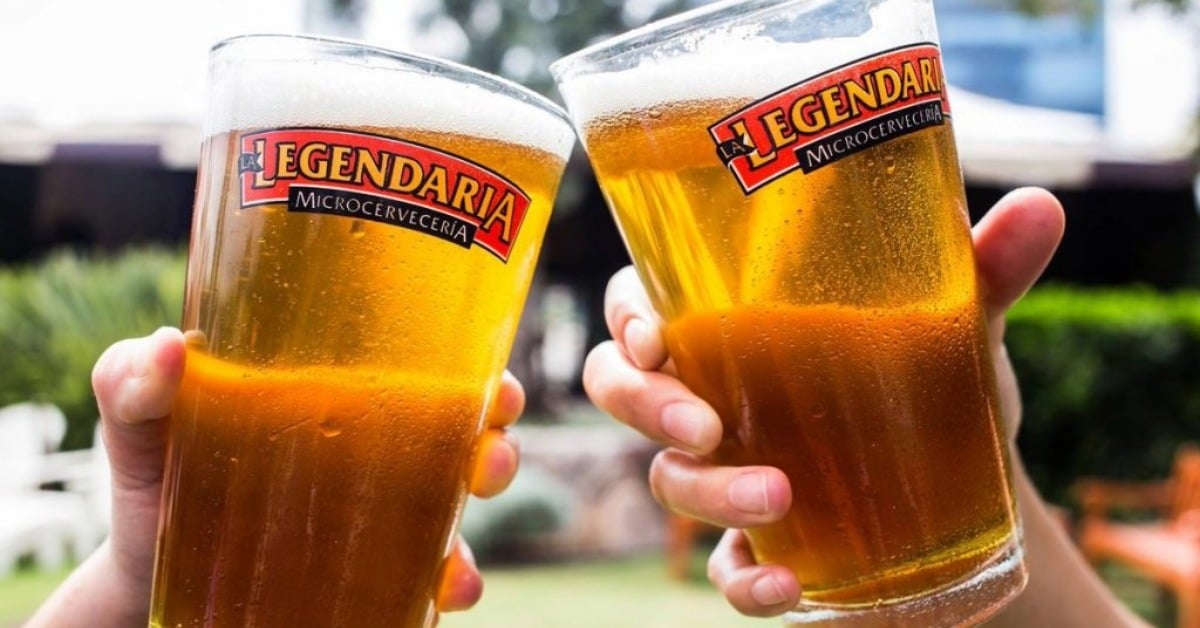
San Luis Potosí, Mexico – San Luis Potosí is quietly becoming a focal point for craft beer growth in San Luis Potosí, even as broader economic headwinds dent both exports and domestic demand. Mexico, long a beer-heavy nation, ranks among countries with high per-capita interest in the beverage, and the first Friday of August—International Beer Day—now serves as a moment to spotlight local brewers pushing against the tide. International Beer Day is celebrated globally on that day, a tradition begun in 2007 to honor brewers and beer culture.
Local entrepreneurs are responding to that culture with real investment. According to Ilse Álvarez Portales, Director of Operations and New Businesses at Gusto Culposo Craft Brewery, over 25 breweries now operate in San Luis Potosí, and the number keeps rising as new players introduce experimental flavors and blends. Álvarez Portales emphasizes that what distinguishes these small-scale producers is method and intention: craft beer production “focuses on quality and experimentation using natural ingredients like water, yeast, malts, hops, and manual processes with traditional filtration techniques,” she said, noting that visible sediment from yeast is sometimes part of the authentic presentation.
From mass production to experimentation: what sets craft beer apart
The contrast with industrial beer is stark in process if not in reputation. Industrial production is highly automated, deploying adjuncts like rice or corn to reduce costs and speed output—choices that streamline consistency but depart from the handcrafted emphasis of microbrewers. “This doesn’t make it any less good,” Álvarez Portales added, “but it’s a different approach: refined for scale, often relying on additives, whereas craft focuses on nuance and variety.”
This nuance is drawing a deeper audience. Álvarez Portales reports that more people are not content with simply drinking beer; they are studying it. Consumers are “delving deeply into learning the differences, the characteristics, the styles of beer,” she said, pushing beyond the binary of light and dark that dominates commercial categorization. What was once a niche interest is evolving into informed enthusiasm, with drinkers seeking complexity, regional identity, and storytelling in their pint.
International context and local opportunity
Nationally, beer remains a major economic contributor. While some public data has previously placed Mexico high in world rankings for per-capita beer consumption, more recent comparative sources show variation—Mexico’s per-capita numbers have been cited around the mid-to-lower tiers globally, reflecting complexities in measurement and timeframes. Regardless, the domestic appetite for beer and the cultural weight of celebrations like International Beer Day keep demand and attention on the sector.
Craft beer’s rise in San Luis Potosí taps into that larger awareness while carving a separate identity. The city’s emerging scene offers an alternative narrative: one where small batches, local ingredients, and experiential education coexist with national scale and heritage.
Economic squeeze: tariffs and shrinking domestic revenue
Yet the momentum faces friction. Álvarez Portales acknowledged that the past year has been difficult, mirroring stresses across the broader economy. Export pressures have risen after tariffs imposed by the United States—one of Mexico’s key markets—sharpened uncertainty for producers who depend on cross-border sales. At the same time, domestic consumption has softened, tied in part to shifting tax revenue patterns. Revenue from the Special Tax on Production and Services (IEPS) for beer and soft drinks has been declining since June 2024, with a brief rebound in December 2024 before dropping again from January through May 2025, according to government reporting and analysis of fiscal trends.
The combination of external trade friction and muted internal demand creates a squeeze: craft brewers lack the marketing budgets and distribution networks of industrial giants, yet face many of the same macro headwinds. Still, their smaller scale allows for agility—adjustments in flavor profiles, direct customer engagement, and local brand loyalty are tools industrial players can’t easily replicate.
Betting on beer culture to sustain growth
For the craft beer movement in San Luis Potosí, survival hinges not only on weathering the current downturn but on deepening the cultural base. That means turning casual drinkers into informed advocates and leveraging events like International Beer Day to spotlight the local scene. The global observance of that day, now marked in dozens of countries, gives microbreweries a promotional anchor and a hook to educate consumers about process, provenance, and taste.
Producers are also expanding their reach by creating experiences—tasting events, brewery tours, and community-focused launch nights—that make the craft beer story tangible. When consumers understand why a small-batch IPA tastes different from a national lager, they’re more likely to pay a premium and return. That educated loyalty is the buffer that could keep budding breweries afloat while larger economic variables fluctuate.
Looking ahead: balancing risk with identity
The craft beer growth in San Luis Potosí now walks a tight line. The scene’s identity—rooted in experimentation, transparency, and local pride—gives it authenticity, but scaling that without losing core values will require careful strategy. Brewers face decisions about whether to expand distribution, collaborate to share marketing muscle, or double down on hyper-local exclusivity. Each path carries trade-offs in visibility, cost, and brand coherence.
What remains clear is that despite macroeconomic pressures and the shadow of larger industrial counterparts, the craft beer movement in San Luis Potosí is gaining its own gravity. Enthusiasts are not just drinking beer; they are learning it, talking about it, and increasingly defining it as part of the region’s cultural and entrepreneurial identity. That, more than any tariff or tax headline, may be the most durable asset the local scene has.