Día de Muertos falls on a weekend this year, and merchants are betting on longer celebrations, fuller hotels, and heavier online carts. Families will stretch budgets on altars, flowers, and trips to hometowns—while students and young adults add Halloween into the mix. Inflation has eased from last year, but not enough to erase higher prices for bread, flowers, and candles. The big question is whether the seasonal bump will reach small shops outside the tourist corridors—or whether the gains stay concentrated in Mexico’s busiest destinations.
Día de Muertos lands on a weekend this year, and that alone is a tailwind for Day of the Dead spending. Retailers expect longer celebrations, fuller restaurants and bars, and a fresh push to e-commerce as families stock up for altars and cemetery visits. Inflation has cooled compared with 2024, but headline prices ticked up to 3.76% in September, a reminder that household budgets still feel tight.
Day of the Dead spending
Expansión reports families are staring down higher out-of-pocket costs for ofrendas, cempasúchil, candles, bread, and cemetery visits. Small-shop advocates estimate a simple trip to the panteón—flowers, candles, snacks, not counting transport—can run hundreds of pesos, with full-day outings plus food pushing the tab into the low thousands. The same piece notes Halloween now sits alongside Día de Muertos for many households, with young adults spending on costumes, bars, and sweets. The calendar quirk—festivities overlapping a weekend—could stretch celebrations and raise online orders. Expansión
Merchants see both the upside and the risk. In several regions, store owners say 2025 has been a challenging sales year, and they are banking on the season to close the gap. Local chambers in states like Yucatán are signaling mid-teens growth for small merchants tied to school events and home altars. At the same time, other regions caution that security concerns and weaker local demand could blunt the rebound.
Tourism is gearing up as well. Historic destinations that anchor the holiday—Pátzcuaro, Mexico City, and Pueblo Mágico corridors—are reporting strong booking curves, with Pátzcuaro officials citing occupancy around 90% heading into Noche de Muertos. Nationally, Tourism Ministry outlooks in recent years have placed the holiday’s travel-service consumption in the tens of billions of pesos, and city-level parades routinely draw seven-figure crowds. The parade in Mexico City has become its own economic engine, with prior official estimates pegging sizable local “derrama” tied to hotels, food, and transport.
E-commerce and customer service teams are bracing for volume. The Expansión piece highlights brands leaning on AI-driven personalization, conversational bots, and proper omnichannel support so a shopper can jump from WhatsApp to web chat without repeating themselves. Companies are also ratcheting up cybersecurity because attack attempts spike during peak retail moments. Those moves won’t just boost conversion; they can also alleviate the pain points that make seasonal shopping feel like a chore.
Prices, flowers, and where the money lands
The price picture is mixed. Headline inflation sits within Banxico’s target range. Still, it has inched higher into the fall, and core inflation remains sticky, which helps explain why candles, bread, and prepared foods don’t feel cheaper even when overall inflation looks tame on paper. Monetary officials have warned against racing to cut rates too quickly while those pressures linger. In short, families will still notice the bill—even if the holiday glow softens the sting.
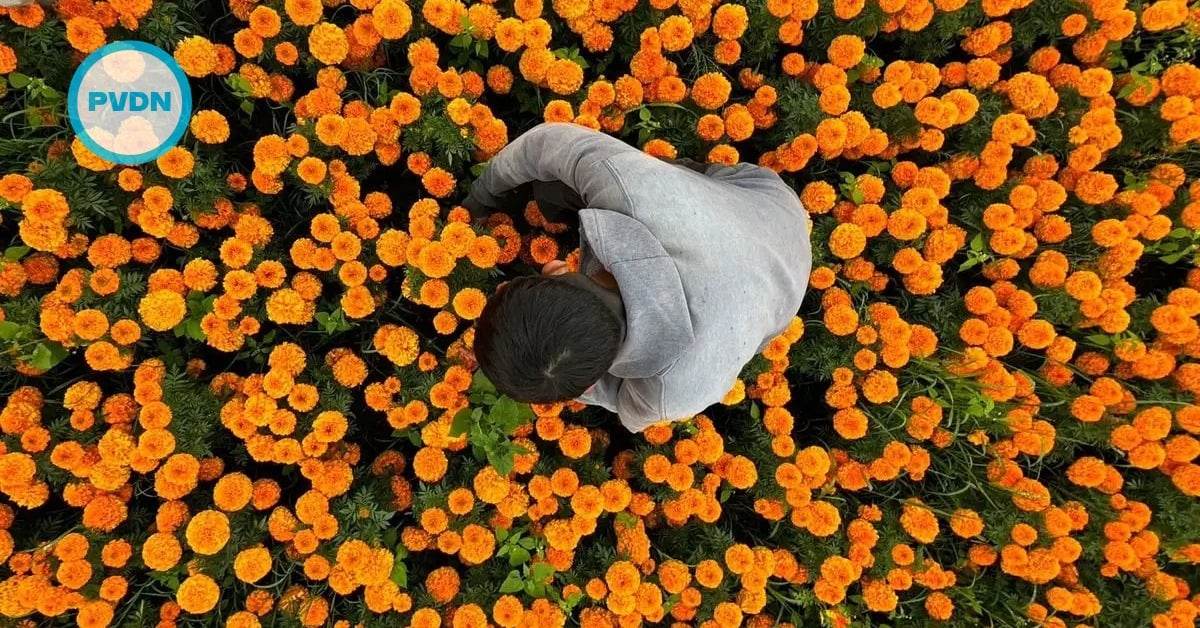
On the supply side, flower growers from Xochimilco to Baja California report strong cempasúchil harvests. State and federal notes indicate healthy yields and steady planting, while past reporting shows that Mexico still imports some marigold derivatives into the feed and pigment market. For retail shelves and street markets, availability looks solid heading into November, which should help keep altar staples on hand even as demand swells.
Travel demand is likely to concentrate returns in a familiar map. Mexico City’s parade, Michoacán’s lake towns, and colonial routes will capture outsized hotel and restaurant revenue, while second-tier destinations ride their own festivals, processions, and museum nights. Recent city-level outlooks in Querétaro and others indicate that hotel occupancy is expected to increase by several points in the November 1–2 window, consistent with holiday-weekend patterns. Whether that momentum reaches smaller towns—especially where insecurity or lower local wages weigh on foot traffic—remains the seasonal wild card.
The weekend timing, combined with the blended Halloween-Muertos culture and a maturing parade circuit, points to a busy few days for retailers and hotels. Shoppers will still feel the impact of prices, but traditions tend to win the wallet. If the spending spreads beyond the marquee cities and into neighborhood shops, this season could be the bright spot merchants have been waiting for.