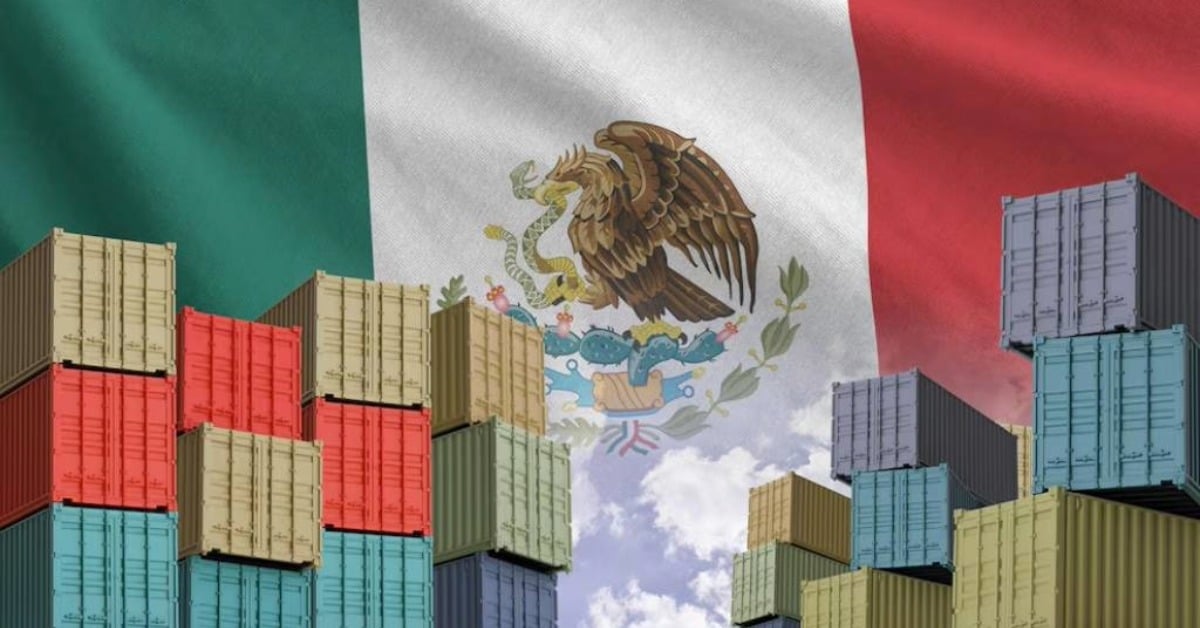
In recent years, the benefits of free trade between nations have been called into question. This is particularly true as global economic dynamics shift. While free trade has long been touted as a means to provide consumers with access to a wider variety of goods at lower prices, it has also led to increased competition for domestic industries. Moreover, it has caused the loss of jobs in certain sectors. As the United States continues to impose tariffs on various trading partners, including Mexico, concerns about the economic implications of these changes are mounting.
In Mexico, the recent announcement of increased tariffs has sparked discussions about the potential consequences for the country’s economy. A 30% tariff on certain Mexican goods, particularly in manufacturing and agriculture, could have far-reaching impacts on both short-term and long-term economic stability. While tariffs are often seen as a means to protect domestic industries, their effects are multifaceted. Yet, the costs may outweigh the benefits.
What Are Tariffs?
Tariffs are taxes imposed by a country on imported goods. They are typically designed to make foreign products more expensive and less competitive in the domestic market. These duties can be ad valorem, meaning a percentage of the value of the goods. Alternatively, they can be specific, meaning a fixed amount per unit of goods imported. The goal of these measures is often to protect domestic industries from foreign competition. Additionally, they aim to generate revenue for the government and influence trade balances.
However, the economic implications of tariffs are not always clear-cut. While tariffs may benefit certain domestic industries by limiting competition, they also raise the cost of imported goods. This change can affect consumers and companies that rely on international supply chains. For a country like Mexico, whose economy is deeply intertwined with the United States, tariffs can create ripple effects that impact both trade and domestic markets.
Potential Economic Fallout in Mexico
According to experts, the increased tariffs on Mexican goods could have a significant impact on the country’s economic growth. Recent forecasts predict a potential decline of up to 1% in Mexico’s Gross Domestic Product (GDP) in 2025 if the tariffs are enforced. This decline is primarily due to the reduction in Mexico’s export competitiveness in the U.S. market, which is its largest trading partner.
The manufacturing sector, one of Mexico’s key industries, will likely face the greatest impact. Mexican manufacturers, especially in the automotive, electronics, and machinery sectors, integrate heavily into global supply chains and export many goods to the U.S. The imposition of tariffs will likely make these products more expensive and less competitive, reducing demand from U.S. consumers.
Agricultural products, such as tomatoes, avocados, and fruits, are also at risk. These products represent a significant portion of Mexico’s agricultural exports to the U.S. Higher tariffs could reduce demand for these goods, ultimately impacting rural incomes in Mexico. As a result, the effects of the tariffs could be particularly harmful to Mexico’s agricultural sector. It supports millions of jobs and contributes to the country’s economic fabric.
Employment and Investment Concerns
Beyond the immediate economic effects on exports, the tariffs could lead to job losses and reduced investments in key sectors. As companies face higher costs and lower demand for their products, they may be forced to scale back production, lay off workers, or delay investments. This could result in a contraction of employment in industries linked to export activities. Consequently, it would further exacerbate the country’s economic challenges.
The issue of “nearshoring,” or the relocation of manufacturing activities closer to the U.S., may also be impacted. Mexico has been a popular destination for companies seeking to take advantage of lower labor costs and proximity to the U.S. market. However, the imposition of higher tariffs could make Mexico a less attractive option for companies seeking to move their production closer to the U.S. Consequently, it could limit the potential for economic growth in this area.
The Plan Mexico: A Domestic Growth Strategy
In response to the potential negative economic impacts of the increased tariffs, the Mexican government is focusing on strengthening its domestic market. The Plan Mexico, a key economic strategy under the current administration, aims to bolster economic growth through public investment, infrastructure development, energy transition, and advancements in science and technology.
By encouraging growth from within the country, the Plan Mexico seeks to reduce the country’s dependence on exports. Furthermore, it aims to strengthen its resilience to external economic pressures. A more robust domestic market would not only help Mexico weather the storm created by tariffs, but it would also mitigate the potential negative impacts of future trade disruptions.
However, building a stronger domestic market is no small task. It requires comprehensive efforts to diversify the economy, promote import substitution, and expand the range of products and markets that Mexico can export. Moreover, creating a more balanced economic environment would require substantial investment in education, innovation, and developing a skilled workforce. This workforce must be capable of adapting to new industries.
The Path Forward: Strengthening Mexico’s Economic Resilience
While the immediate impact of the tariffs on Mexico’s exports is concerning, it is important to recognize that Mexico’s economic future does not depend solely on external markets. By diversifying its economy, strengthening domestic industries, and encouraging innovation, Mexico can reduce its vulnerability to external shocks like trade disruptions or rising tariffs.
In the face of adversity, Mexico has the potential to adapt and emerge stronger. Through strategic investments in infrastructure, technology, and education, the country can develop a more resilient economy. This approach reduces its reliance on the U.S. market and builds a more sustainable economic future. Although the current tariff challenges may present hurdles, they also present an opportunity to reshape Mexico’s economic landscape.
The government’s focus on building a robust domestic economy, supported by policies aimed at fostering innovation and reducing external dependencies, is a step in the right direction. By embracing these changes, Mexico can navigate the challenges posed by increased tariffs. Moreover, it can create a more secure and diversified economic future for its citizens.
Ultimately, while the effects of the tariffs are concerning, they should also serve as a wake-up call. There is a need to strengthen Mexico’s economic independence and ensure that the country remains competitive in an increasingly globalized world.
economic impact, tariffs, Mexico economy, U.S.-Mexico trade, nearshoring, GDP, employment, manufacturing, exports, Mexico economy 2025, T-MEC