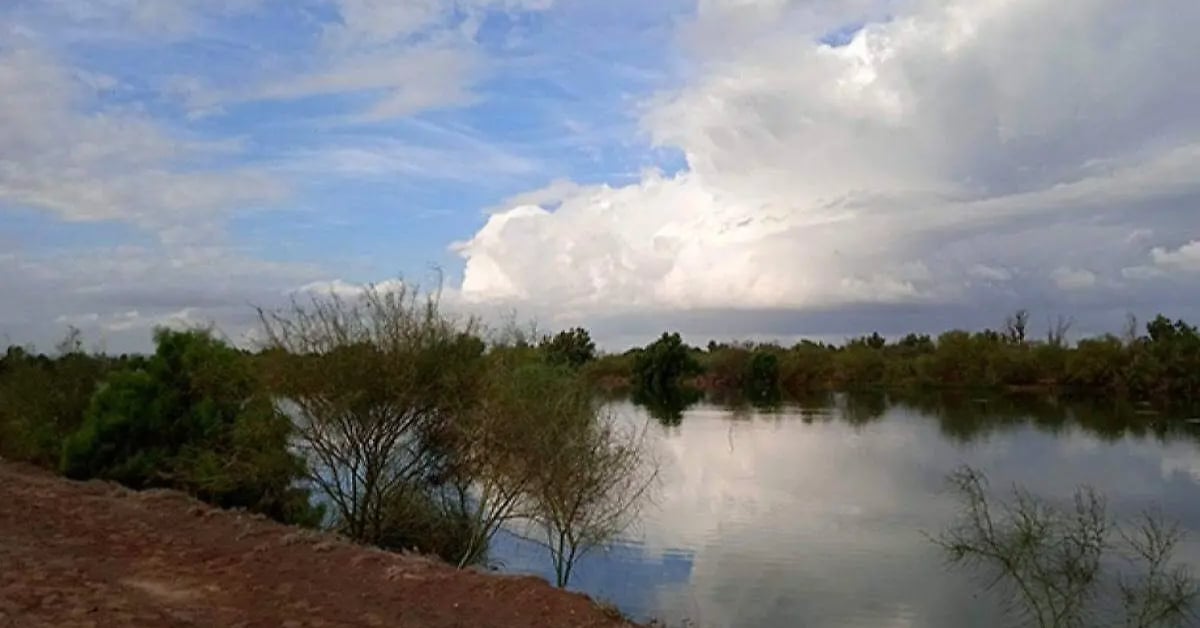
Discover how the Ecopark wetland La Paz uses treated wastewater to support over 250 bird species and boost urban biodiversity in the city.
The artificial wetland at the Youth Ecopark in La Paz has become a thriving refuge for more than 250 bird species and a host of other organisms. The site runs entirely on treated water from the city’s Wastewater Treatment Plant, a program managed by the Municipal Operating Agency of the Drinking Water, Sewerage and Sanitation System (OOMSAPAS La Paz).
Víctor Román Ayala Pérez, research professor at the Autonomous University of Baja California Sur and member of the Bird Laboratory, says this reclaimed water makes the Ecopark wetland possible. “The Ecopark wetland thrives on this treated water, and thanks to that water we have an artificial wetland teeming with life today,” he noted.

Ecopark wetland La Paz provides refuge for bird species
Visitors to the park can spot a range of waterfowl and shorebirds, from ducks and coots to white‑faced ibis. Waders such as Himantopus mexicanus (American sandpiper) and Calidris minutilla (little sandpiper) patrol the mudflats, while cinnamon teal and northern mallard paddle in open pools. Many of these species nest on‑site or rest here during migration.
The wetland does more than support birds. Native plants filter runoff, maintain water clarity and offer cover for insects, amphibians and small mammals. Interpretive trails and signage allow residents and tourists to learn about local flora and fauna in the heart of the growing urban area.
“It’s important for the community to know what happens to wastewater once it leaves La Paz homes and how, after being treated, it returns to nature with direct benefits,” Ayala Pérez said. He adds that the wetland also serves as an outdoor classroom for environmental education programs led by the City Council.
Data presented during the sixth 2025 Transparency Fair of OOMSAPAS La Paz show that in 2024 the treatment plant processed 13,242,522 m³ of influent and released 12,415,800 m³ of treated water. Distribution of that water was as follows:
- 84 percent (10,542,283 m³) for agricultural irrigation
- 9.7 percent (1,213,302 m³) for tourism activities
- 5.1 percent (642,600 m³) to maintain wetlands
- 0.19 percent (23,515 m³) to the city’s purple line reclaimed‑water network
Those figures highlight how treated wastewater can meet multiple needs while conserving freshwater resources. Ayala Pérez calls the Ecopark wetland a “reservoir of biodiversity” and an example of the environmental services generated by wastewater reuse.
Local schools and birdwatching groups now organize regular visits to count species and monitor water quality. City officials plan to expand the wetland’s capacity and install more observation decks and citizen‑science kiosks. Such efforts aim to strengthen public appreciation and protect the site against future development pressures.
The Youth Ecopark sits within the municipal green belt and is managed by the City Council. It provides a public space for recreation, learning and conservation of local wildlife. Its artificial wetland has become one of the state capital’s main birdwatching destinations and a model for other Mexican cities exploring sustainable wastewater management.
By transforming treated water into habitat, La Paz demonstrates how urban infrastructure can support nature and community well‑being at the same time.
La Paz, wastewater treatment, Ecopark wetland, birdwatching, biodiversity, environmental conservation, OOMSAPAS La Paz