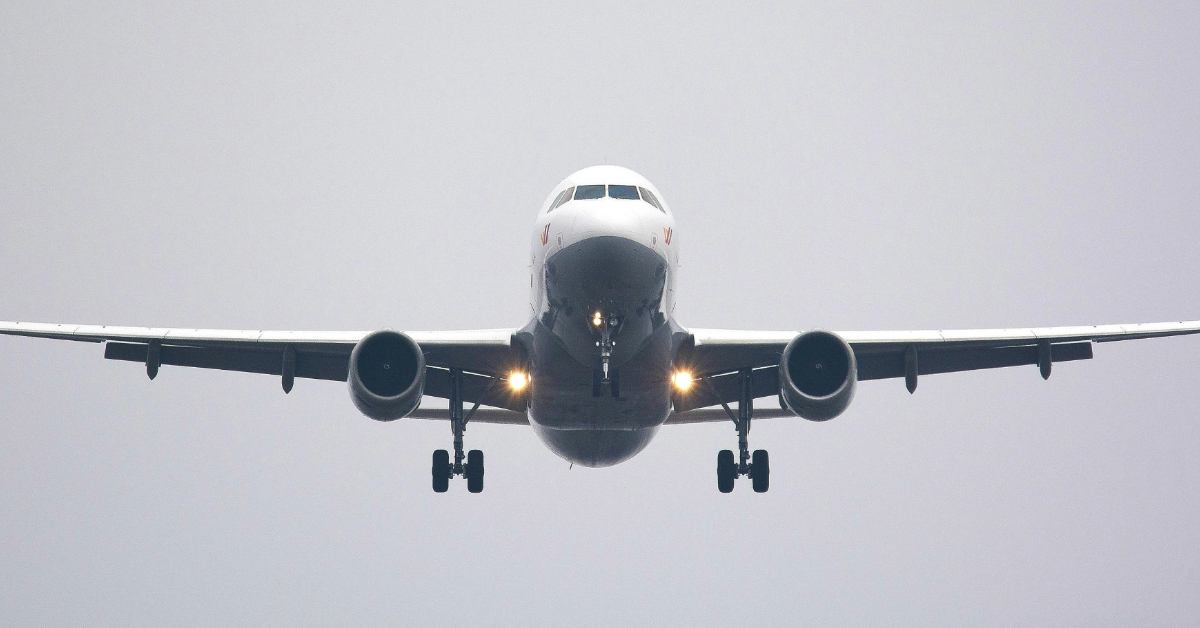
The Ensenada international airport project will feature a new runway, passenger terminal and commercial zone near Valle de Guadalupe, boosting regional connectivity and tourism with an investment of MXN 5,500 million for the Ensenada international airport.
Ensenada is getting a new international airport. At the recent ACI congress, ASA director Carlos Manuel Merino Campos unveiled a MXN 5.5 billion plan for a facility on the “Chichihuas” site—30 km north of the city and just 5 km from Valle de Guadalupe. This airport will make travel faster and boost the region’s economy.
Ensenada international airport project details
The new airport will include:
- Runway: 2,800 m long and 45 m wide to handle large, wide‑body jets
- Aprons: Three aircraft parking areas totaling 16,000 m²
- Terminal: 8,000 m² building with simple check‑in, security and baggage zones
It will also feature:
- 23 m‑wide taxiways so planes can move safely
- On‑site fuel station for nonstop operations
- Modern control tower with up‑to‑date air traffic systems
- Parking for 120 vehicles, including drop‑off and short‑stay areas
- 222,000 m² commercial zone for shops, cafés, restaurants and logistics
Why this airport matters
This project fits into a federal plan for five new hubs—in San Miguel de Allende, Lagos de Moreno, Costa Alegre and Isla Mujeres—to ease crowds at Mexico City and Guadalajara. By spreading flights to these smaller cities, the government hopes to give tourists more options and reduce delays at big airports.
Local hoteliers and wine producers expect big benefits. Valle de Guadalupe, famous for its vineyards and gourmet scene, lies just a short drive from the site. Faster international connections can bring more visitors to wine tours, boost hotel bookings and give local wineries easier access to export markets.
Green and safe design
ASA has pledged to follow strict safety and environmental standards. Plans include:
- Energy‑efficient LED lighting across the airport
- Water‑saving plumbing fixtures in restrooms and kitchens
- Green spaces and native plants around runways and parking areas
- Careful grading and drainage to protect nearby valleys
Merino Campos stressed that protecting the local ecosystem in “Chichihuas” is a top priority. The design aims to blend the airport into the landscape, not disturb it.
Timeline and next steps
- Early 2026: Start earthworks, grading and runway base
- Mid 2027: Complete runway paving and apron slabs
- Late 2027: Begin terminal shell construction
- 2028: Finish control tower, parking lots and commercial areas
- 2029: Final testing, safety inspections and opening
Later this year, ASA will invite international bids for design and construction. Local roads, bus routes and shuttles will also be upgraded to link the airport with Ensenada and Valle de Guadalupe.
What travelers can expect
When the airport opens, residents can look forward to direct flights to the U.S., Canada and beyond. Business groups see faster cargo routes for seafood and produce. Vacationers will spend less time on connections and more time on wine tours, surfing or exploring local culture.
By combining modern facilities with simple design and green practices, the Ensenada international airport will become a new gateway for tourism, trade and growth in Baja California.