For some foreign retirees, a multi-million dollar home in Cabo San Lucas seemed like a dream investment. But a growing dispute has left them claiming they were sold a mirage. Promises of top-tier amenities gave way to brown tap water, walls seemingly filled with cardboard, and nonexistent services. Now, years after moving in, these buyers find themselves entangled in a legal battle with the development’s backers, raising questions about oversight and the risks international homebuyers face.
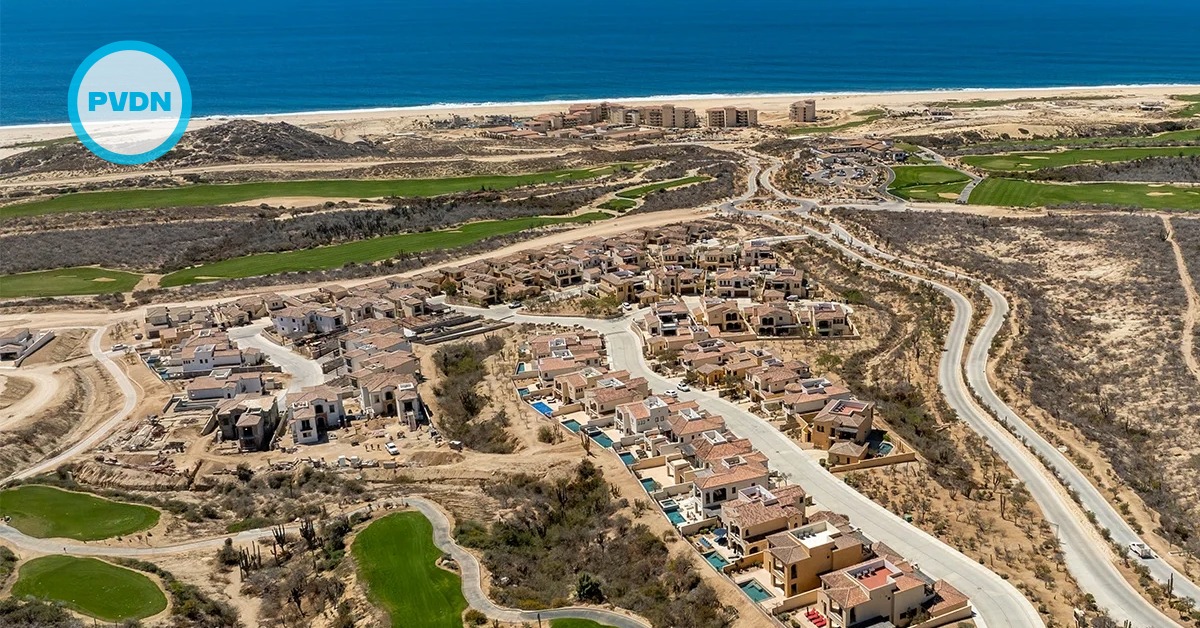
The sun-soaked allure of Los Cabos has long drawn foreigners looking for a slice of paradise. In 2019, two American women — Jennifer and Sally — invested roughly $2.4 million USD each in upscale homes at the Rancho San Lucas resort community on the Pacific coast of Cabo San Lucas. The development was marketed as a luxury retreat, complete with world-class amenities and comfortable retirement living by the sea. But six years later, instead of enjoying their golden years, Jennifer and Sally find themselves locked in a nightmare. What was supposed to be a turnkey dream home has become a source of frustration, financial strain, and a complex legal battle that is still unfolding as of early 2026.
Promised Paradise vs. Harsh Reality
From the outset, the buyers were shown glossy brochures and model homes that ticked all the boxes: modern construction, reliable utilities, and exclusive perks befitting a gated luxury enclave. Initially, everything about Rancho San Lucas appeared genuine. The development boasted an 18-hole golf course designed by Greg Norman, pristine beachfront, and lavish club facilities. As foreign retirees, Jennifer and Sally felt confident pouring their savings into this project, assured by sales agents that they were investing in quality and security. Yet, soon after taking possession of their new villas, troubling discrepancies began to surface.
The list of issues reads like a homeowner’s worst nightmare. Basic infrastructure that any homebuyer would take for granted was either dysfunctional or entirely absent. Running water was undrinkable, tainted with a brownish hue and a foul sewage odor. It turned out there was no proper water treatment system in place for the community, so tap water wasn’t safe to drink. “No drinking water,” one of the owners said matter-of-factly, explaining that they have lived without a reliable potable water supply for years now. Every day in what was sold as a luxury home, they’re reminded of this stark shortfall — whether it’s the sulfurous smell wafting from a faucet or the residue left behind by discolored water.
Electricity has proven to be another costly headache. Without adequate infrastructure from the developer, homeowners face sky-high power bills. Reports suggest they had to rely on intensive pumping and water-delivery systems (due to water issues) that drive up electricity usage. Both women expected that a multi-million dollar property in a high-end Los Cabos community would come with modern, efficient utilities. Instead, they say they’ve been left to shoulder the burden — literally paying the price for the developer’s corners cut.
Most jarring of all have been revelations about the homes’ construction quality. Despite the steep price tags, the villas allegedly contain substandard building materials. One owner described the shocking moment she discovered what her walls were really made of. “These are multi-million dollar homes… and they’re very subpar,” she said, noting that “the walls have cardboard content in them.” Indeed, what should be solid walls in a luxury house appear to be partly filled with something akin to cardboard, offering poor insulation and durability. Such flimsy construction has led to a host of other defects: mold infestations, recurring cracks in walls and floors, and persistent dampness. Every heavy rain or humid day threatens to exacerbate these issues, as moisture seeps in easily. For homeowners who believed they were buying top-tier craftsmanship, these defects are more than cosmetic — they raise concerns about the long-term safety and value of the homes.
Standing inside a dream home that’s starting to feel like a money pit, Jennifer and Sally have had to confront an uncomfortable reality. By their account, what was delivered simply does not match what was sold. In colloquial Spanish, they were given “gato por liebre” — an old phrase meaning to get a cat instead of the hare you paid for, essentially a bait-and-switch. The advertised luxury lifestyle, according to them, has evaporated into continual maintenance problems and unmet promises. Simple comforts like taking a shower, drinking tap water, or running the air conditioning without financial worry have all been compromised. Both women say they’ve repeatedly approached the developers about fixing these problems, only to be met with indifference. The companies behind Rancho San Lucas, they claim, refuse to take responsibility for the hidden flaws and missing services. With nowhere else to turn, the homeowners began looking at legal options — a move that would entangle them in a web of complexity they never anticipated.
A Legal Quagmire Unfolds
As their grievances mounted with no remedy in sight, Jennifer, Sally, and a handful of other affected residents sought justice through the Mexican legal system. They quickly discovered that untangling this mess would be anything but straightforward. At the heart of the challenge is the mechanism by which foreigners own property in coastal Mexico: a fideicomiso, or bank trust. Because Mexican law restricts direct foreign ownership of land near the coast, foreign buyers typically hold property in a trust with a Mexican bank as trustee. In this case, their purchase was handled through a trust with Banca Mifel, a well-known Mexican bank, acting as the trustee, and the developer’s local entity, Prime Real Estate of Cabo S.A. de C.V., as the trust’s settlor and seller.
According to the homeowners, the trust framework was exploited to shield the developer and others from liability. Their attorney explains that the fine print of the trust contract contained traps for the unwary. All the obligations that one would expect the developer or trustee to uphold — ensuring proper construction, delivering utilities, guaranteeing habitability — were, in effect, shifted onto the buyer. The foreign purchasers, excited about their new home and often not fluent in Spanish legalese, effectively signed a contract where they bore all the risk and the seller bore little responsibility once the sale closed. “They’re targeting Americans who purchase real estate for their dream home,” one of the American residents observed, “and we don’t typically know the rules and the laws of Mexico.” It was a sobering admission: the very tool meant to facilitate foreign ownership safely had been turned into a vehicle that potentially left them holding the bag.
When the buyers finally decided to file formal complaints and possibly sue, another hurdle emerged: jurisdiction. The trust contracts stipulated that any legal disputes must be resolved in Mexico City, thousands of kilometers away from Los Cabos. This is not unusual for fideicomisos, as major banks are based in the capital. However, the choice of venue has significant consequences. It means that a small group of expat homeowners from Baja California Sur must fight it out in the sprawling, labyrinthine courts of the country’s largest city, where they have little local support or knowledge.
Their lawyer alleges that this is by design. He paints a disturbing picture of a “maraña legal” — a legal thicket — deliberately set up to frustrate victims. In public statements, the attorney has gone so far as to claim that powerful figures in the judiciary are involved in protecting the development’s backers. Specifically, he accuses Rafael Guerra, the president of the Superior Court of Justice of Mexico City, of acting behind the scenes to ensure any case related to Rancho San Lucas’s fraud allegations gets bogged down or decided against the foreign plaintiffs. In a stunning claim, the lawyer even suggested that if an aggrieved buyer secures a favorable ruling and the developers appeal, Guerra’s wife might intervene to pressure appellate judges to rule in the developers’ favor. These explosive allegations have not been proven in court, but they underscore the residents’ growing sense of powerlessness. The implication is clear: the deck might be stacked against them at the highest levels, turning their quest for justice into an uphill battle.
Such assertions of corruption add a grim layer to what was already a daunting process. It’s not just about contract law or consumer rights anymore — it’s about whether the plaintiffs can get a fair hearing at all. Unsurprisingly, the companies involved (Prime Real Estate of Cabo and Banca Mifel) have publicly denied any wrongdoing and, as the homeowners tell it, have remained largely unresponsive to their plight. The case, now working its way through procedural stages, has become as much about shining a light on systemic issues as about fixing two houses in Cabo. Jennifer and Sally’s fight is no longer just personal; it’s becoming a referendum on how Mexico handles real estate disputes, especially those involving foreign investors.
Growing Fallout and Broader Implications
The saga at Rancho San Lucas is sending ripples through the expatriate community in Baja California Sur and beyond. Word of mouth travels quickly in places like Los Cabos, where foreign retirees and investors often share advice and warnings. Since Jennifer and Sally came forward, other homeowners in the area have begun scrutinizing their own property deals. The same lawyer representing the two women believes that dozens of other foreigners might be in “the same situation” — having bought into luxurious developments only to find themselves victims of a potential multi-million dollar fraud. If true, the Rancho San Lucas conflict could be just the tip of the iceberg, hinting at a pattern of predatory practices targeting non-Mexican buyers in tourist enclaves.
Local and state authorities are under increasing pressure to respond. Los Cabos’ economy relies heavily on its reputation as a safe and attractive destination, not just for vacationers but for those who want to invest in property. Stories of foreign retirees being swindled or left high and dry by developers cast a dark cloud over that image. While the Baja California Sur state government has yet to make a definitive statement on this specific case, there’s recognition that something must be done to bolster confidence. Investigations into real estate practices could intensify, and the homeowners hope their ordeal will prompt reforms — such as stricter enforcement of building codes, more transparency in trust contracts, and better avenues for legal recourse that don’t require flying to Mexico City for a court hearing.
This isn’t an issue isolated to a single development, or even to Los Cabos. Across Mexico’s prime coastal regions, foreign buyers have occasionally found themselves entangled in real estate nightmares. From the Riviera Maya on the Caribbean to the Pacific jewels of Nayarit and Jalisco, there have been cautionary tales of deals gone wrong: phantom titles, unauthorized developments on communal (ejido) land, or, as in this case, grand promises crumbling into costly disappointments. In fact, just last year in another part of Los Cabos, the ultra-luxury Costa Palmas project made headlines for allegations of fraud and even a kidnapping related to a dispute among its developers. That case involved major international investors and underscored how even the most high-end, high-profile developments are not immune to scandal. The details differ — Costa Palmas’ troubles stemmed from internal corruption and violent intimidation — but the common thread is the vulnerability of oversight in a booming real estate market. When big money is at play, it can expose gaps in the system that criminals or unscrupulous actors are only too happy to exploit.
For the expat community in Mexico, these stories strike a particularly sensitive chord. Many foreigners who choose to buy homes here do so with genuine love for the country and a desire to integrate into the local culture. They often bring their life savings, imagining a relaxed retirement or a profitable investment by the beach. To see some of their peers allegedly defrauded on such a grand scale is both infuriating and frightening. It raises the question: how can one safely buy property abroad without falling prey to such schemes? Real estate experts advise due diligence — such as hiring independent lawyers, verifying developers’ track records, and being cautious of deals that seem too good to be true. Yet, in the Rancho San Lucas case, even due diligence might have struggled to uncover problems that only became apparent after residents moved in.
As of January 2026, Jennifer and Sally continue to live in their Rancho San Lucas homes, trying to make the best of a challenging situation. Despite the cracks in the walls and the water truck deliveries, they say they still love Los Cabos and don’t want this experience to sour their view of Mexico. Their fight, they insist, is not an attack on the country that welcomed them, but rather a push to hold the responsible parties accountable so that no one else — Mexican or foreign — has to endure what they have. They’ve organized meetings with other homeowners and even local Mexicans who bought into the same development, finding common cause in seeking answers from the developer. This unlikely alliance of retirees and Mexican nationals highlights that, at the end of the day, fraud doesn’t discriminate by nationality. Anyone can be a victim when transparency and justice are lacking.
The legal battle is likely to grind on into the foreseeable future. Court processes in Mexico can be notoriously slow, especially when complicated by jurisdictional issues and appeals. However, the publicity generated by the case has already had an effect. Federal lawmakers and consumer protection agencies are taking a more critical eye to foreign investment disputes. There are calls to review how fideicomisos are regulated—for instance, to ensure that jurisdiction clauses are fair and that buyers fully understand the terms in their native language before signing. Even the banking sector could face scrutiny; a respected institution like Banca Mifel will not welcome headlines suggesting it enabled a scheme against its own clients, even passively.
In the court of public opinion, at least, Jennifer and Sally have scored some early victories. By bravely speaking out, in both Mexican and international media, they’ve forced a conversation about real estate ethics. And in doing so, they’ve perhaps nudged the powers-that-be toward action. If their ordeal results in tighter safeguards or even just warns others to exercise caution, it might spare future buyers a similar fate. For now, though, the two women remain in limbo — living in half-finished dream homes, boiling every drop of water they use, and trading notes with neighbors about the next legal move. It’s a retirement far removed from the carefree beachside fantasy they signed up for. Yet they remain cautiously optimistic. “We just want what we paid for,” Jennifer says softly. That sentiment is simple enough. Whether they can achieve it through the thicket of contracts and courts is the million-dollar question that remains unanswered.
With information from Milenio Noticias, The Cabo Post