PUERTO VALLARTA, Mexico — A fatal crocodile attack off Marina Vallarta has put new attention on a danger longtime residents know well but many beachgoers still underestimate: crocodiles are part of the bay’s coastal ecosystem, and the highest-risk encounters tend to happen where swimming areas overlap with estuaries, river mouths, canals and mangroves.
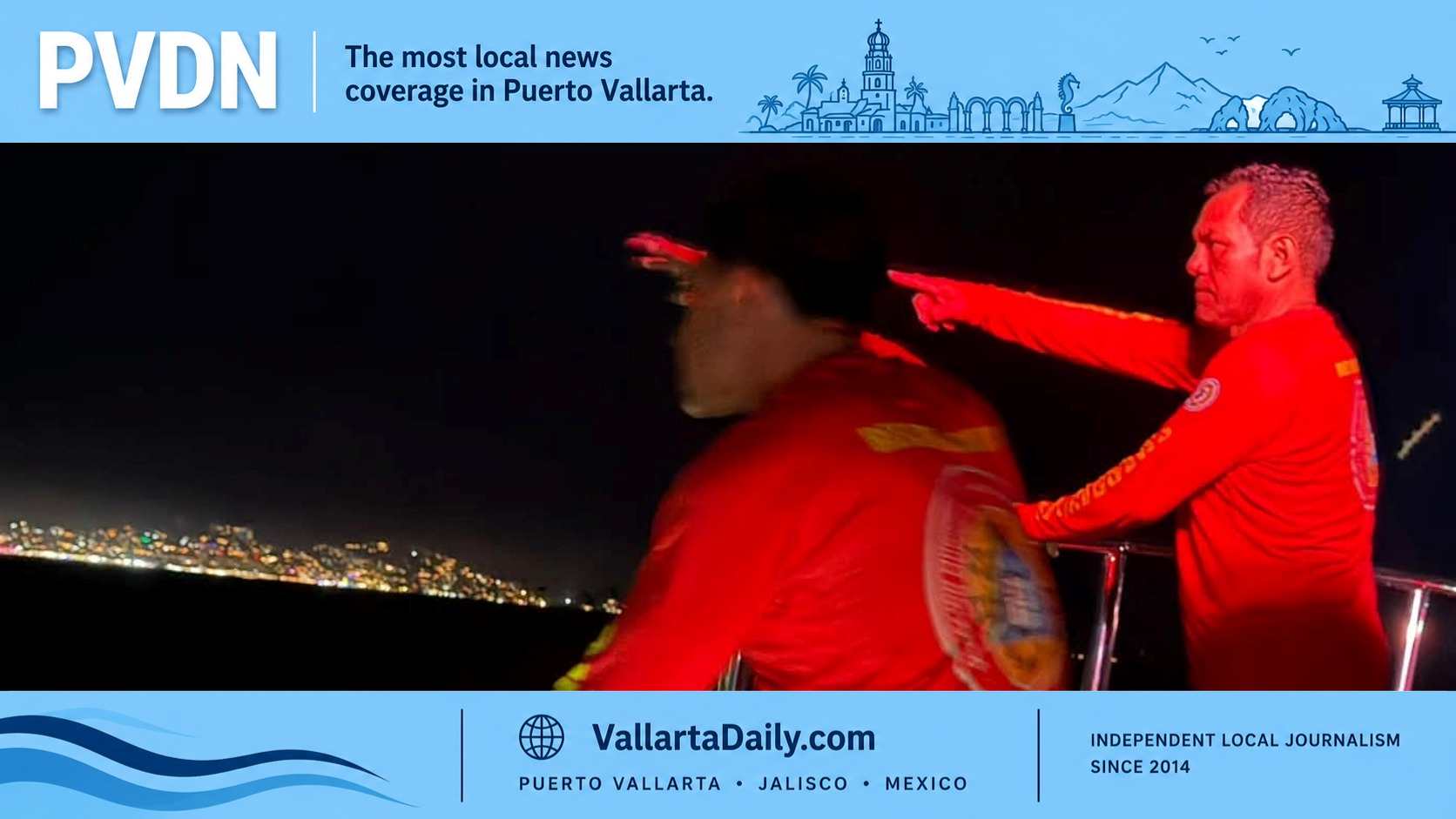
The 28-year-old man was attacked Friday evening, June 26, in the beach area in front of the Marriott Puerto Vallarta Resort and Spa. His body was recovered Saturday after an overnight search involving maritime and land crews. Jalisco officials later said the crocodile believed to be involved was secured near the area of the attack.
The death drew national and international coverage because of the setting: a hotel beach in one of Mexico’s best-known resort cities. But in Puerto Vallarta, the larger issue is not new. PVDN has published more than 200 crocodile-related reports, sightings, public warnings, beach closures, rescue operations and safety explainers over the years. The pattern behind many warnings is consistent. The danger rises near river mouths and estuaries, after rain connects water bodies, and when people enter the water at dusk, overnight or before sunrise.
Crocodile attacks are not common in Puerto Vallarta. A 2010 medical study of American crocodile attacks in the region documented five nonfatal attacks between 2007 and 2010, while placing the known number of attacks along the Jalisco coast over 52 years at 30-31. The numbers are not large when measured against the millions of beach visits to the bay, but they show that the risk has been present for decades and cannot be dismissed as rumor.
What to do when you see wildlife in Puerto Vallarta
The species here is Crocodylus acutus, the American crocodile, called cocodrilo de río in Mexico. The name can mislead people into thinking the ocean is safe. These crocodiles are not ocean animals in the way dolphins, sea turtles or fish are, but they tolerate brackish and saltwater and use coastal waters to move between mangroves, estuaries, river mouths and canals. Seeing one in the surf is unusual enough to get attention, but it is not biologically impossible or out of place in Puerto Vallarta’s north-shore wetland corridor.
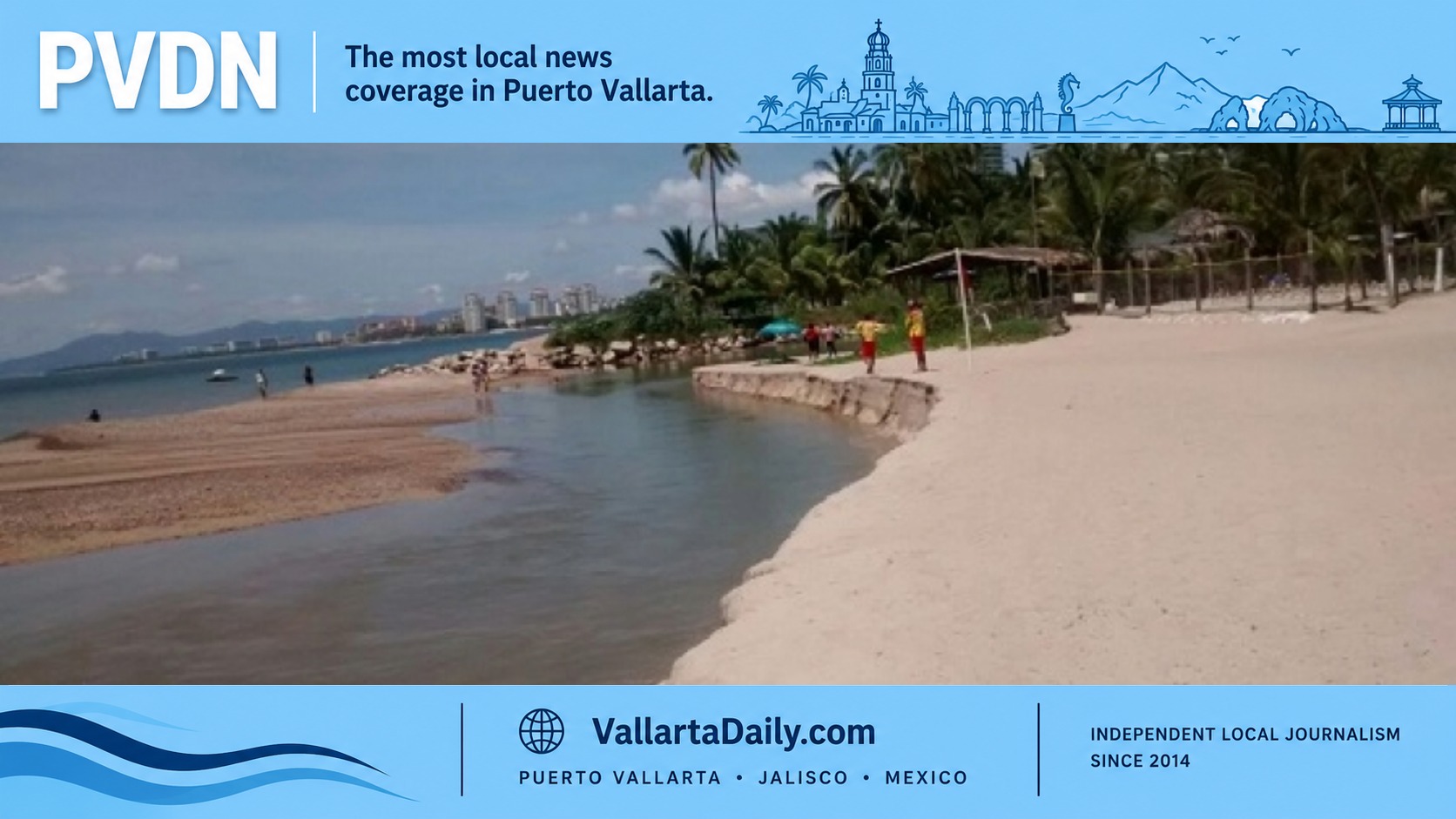
That geography is important. Marina Vallarta, Boca Negra, Boca de Tomates, the Ameca River area, the Pitillal River mouth, the Los Tules and Vena de los Tules canal system, and Estero El Salado are not just landmarks near beaches and hotels. They are pieces of a coastal water system where crocodiles have lived, nested and moved long before the modern tourist city grew around them.

Local researchers have warned that urban growth has reduced and fragmented crocodile habitat. Pablo Hernández Hurtado, a University of Guadalajara specialist with the Cipactli reptile center at CUCosta, has described Puerto Vallarta as a crocodile transit zone, with animals moving through the sea because estuaries have been reduced and old natural routes have been interrupted by development. In plainer terms, the city did not simply gain crocodiles. It expanded into places crocodiles already used.
That distinction changes the way the risk should be understood. A crocodile on or near a beach is not a sign that nature has invaded the city. In many cases, the city has narrowed the space between beach life and crocodile habitat. Hotels, roads, homes, canals, golf courses and marina development now sit beside or within wetland corridors. More people near those corridors means more sightings, more viral videos, more close calls and, rarely, attacks.
Jalisco officials said that after the latest death, risky interactions between people and crocodiles are infrequent and that the species is part of the natural ecosystem of estuaries, canals, and coastal water bodies in Puerto Vallarta. The state said patrols and prevention work would be reinforced in higher-risk zones, including areas where crocodile movement increases during the rainy season.
The practical guidance has not changed. Do not swim at night. Do not enter the water at dusk or before sunrise near estuaries, river mouths, mangroves or canals. Do not swim where crocodile-warning signs are posted. Do not treat a hotel beach, beach club area, or tourist zone as automatically safe if it lies along a known crocodile corridor. Keep children and pets away from the water’s edge in those areas, and never feed or approach a crocodile for a photo.

People should also pay attention to beach flags, not just surf conditions. In Puerto Vallarta, a purple flag is used to warn of potentially dangerous wildlife. It can be raised for jellyfish, Portuguese man o’ war, crocodile sightings, or other marine and wildlife hazards. A red flag means people should not enter the water. If red and purple flags are both posted, the water should be avoided.
Signs carry the same weight. Crocodile warning signs are posted because the area poses a known risk, not because officials are being overly cautious. They may appear near estuary mouths, river outlets, canals, hotel beaches, golf-course water areas and beach access points. A small sign can be easy to ignore, especially at night or after people have been drinking, but it is often the only warning between a swimmer and a habitat edge.
Most beach days in Puerto Vallarta pass without any crocodile encounter. That is why the city’s advice should be treated as risk management, not panic. The beaches are still beaches. The bay is still used safely every day. But the northern shore, river mouths and estuary-connected beaches require a different level of caution than open stretches of sand away from those systems.
The safest rule is also the easiest to remember: when water meets mangrove, river, estuary or canal, stay out after dark and follow every sign and flag. If a crocodile is seen, leave the area calmly, keep others back and report it to 911 or Protección Civil rather than trying to scare, film or move the animal.
People heading to Marina Vallarta, Boca de Tomates, Boca Negra, the mouth of the Pitillal River, or any canal-fed beach should check the flags before entering the water and avoid those areas after dark.