Tijuana’s firefighters didn’t get a break on their day. Even as the city marked the National Firefighters’ Day on Friday, August 22, crews stayed on shift and answered 45 emergency calls, including a wooden home that burned down in Colonia Hidalgo. Authorities reported no injuries.
The department’s activity note framed the day as typical of the workload: steady calls, varied risks, and a response system that keeps moving while officials speak at the podium. City communications emphasized that the C-5 logged the Hidalgo blaze as the day’s only high-impact service.
Firefighters Day Tijuana
The commemoration began at the Central Station at midnight, a long-running tradition where crews sing “Las Mañanitas,” remember the fallen, and celebrate the institution’s history. This year also marked 103 years of the Tijuana corps, a reminder that behind the red trucks is a century-old civic project built by the city’s neighborhoods.
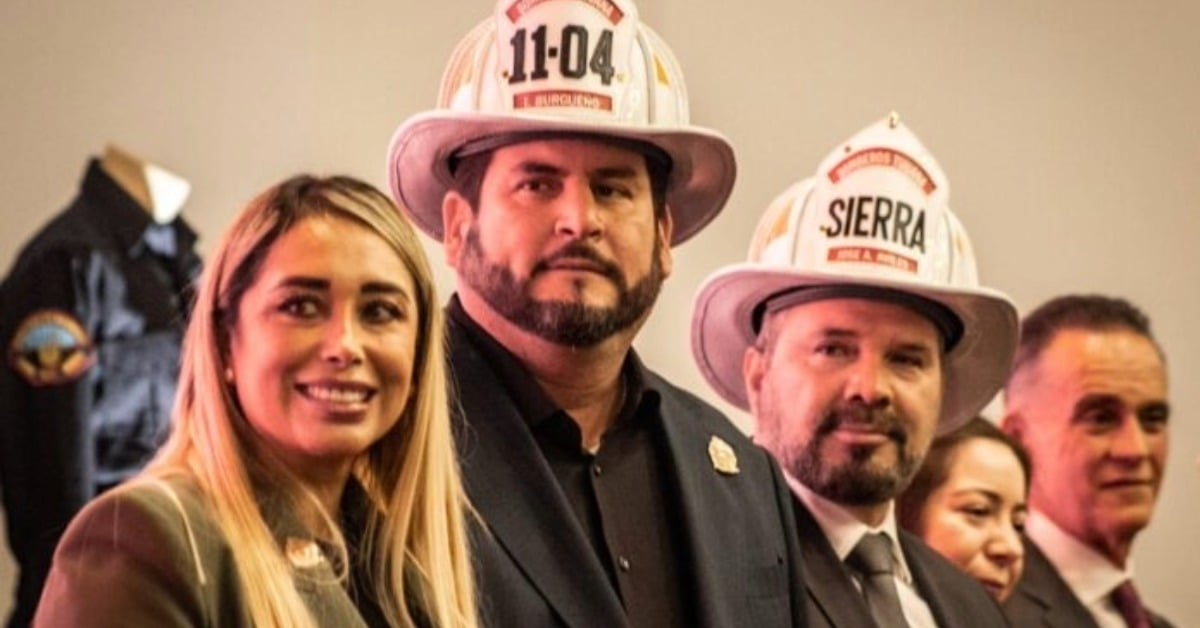
At City Hall’s ceremony, Mayor Ismael Burgueño led the tribute and highlighted recent steps: new paid positions, salary adjustments, and equipment strengthening earlier this year. Local civil associations also reported donations of rescue units and protective gear. Those commitments matter because the city’s call volume can top 1,400 emergencies in a single month during hotter periods.
The workload surfaces a lingering structural issue. Tijuana operates 19 fire stations, a footprint that officials and independent reporting say remains short of ideal coverage for a sprawling, wind-exposed city. Plans moving through local channels include building new stations, a move aligned with long-standing recommendations to expand both headcount and geography.
A day on duty, a year-round risk
The Hidalgo house fire fits a familiar risk profile. Older wooden structures, hillside communities, and dense urban growth create fast-moving situations when flames catch. Summer and early fall bring Santa Ana winds and dry brush in canyons around Tijuana. Local civil protection keeps its wildfire campaign active through late September, urging residents to reduce fuel and report smoke early.
Behind the scenes, the department has tried to close gaps. Since early 2025, authorities have added 60 firefighter positions and discussed adding at least several new stations, even as analysts point to a broader historical deficit in personnel and infrastructure. The result is a corps that performs under pressure while still pushing for the basic redundancy that fire science considers standard for cities this size.
The story of Firefighters Day in Tijuana is therefore not a single event. It’s a snapshot of routine work under civic scrutiny: a burned home, a quiet set of numbers at the command center, a morning mass, and a hall full of uniforms receiving applause. The measure of success will be less about the stage and more about what happens the next windy night when the radio tones drop and another crew rolls out.