Once a hidden colonial gem, San Miguel de Allende’s UNESCO status and Pueblos Mágicos label propelled it into luxury-tourism territory—at the cost of longtime residents.
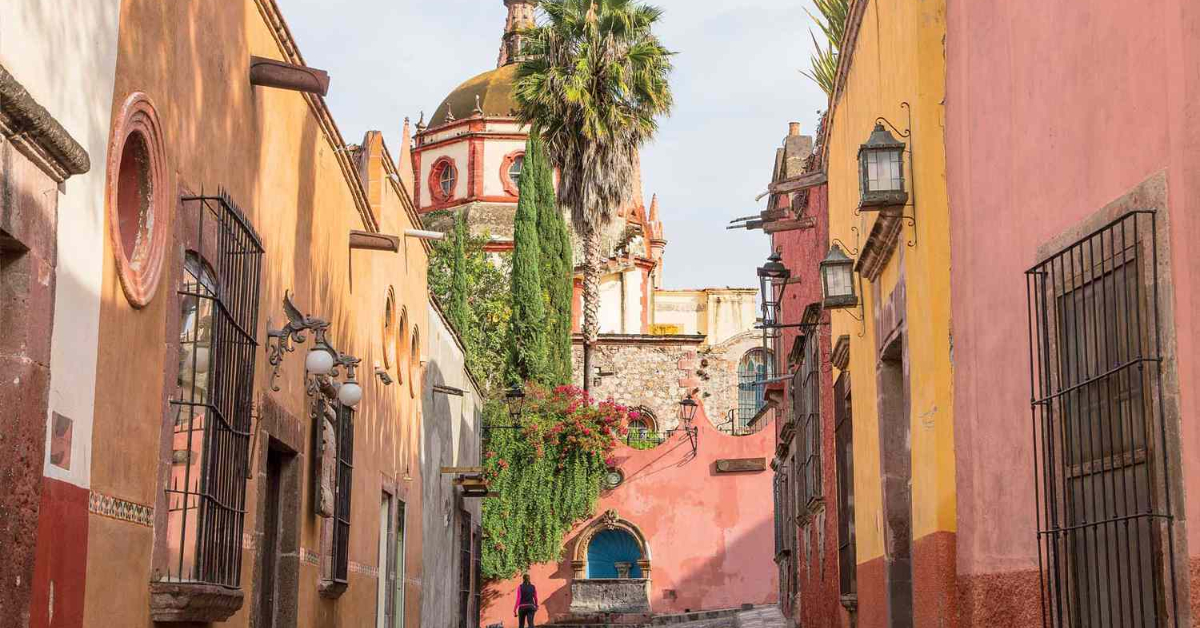
San Miguel de Allende started as a quiet colonial outpost—its cobblestone alleys and baroque churches drawing artists and expats in the 1940s. Fast-forward to today, and it’s unrecognizable: a global showcase of high-end hotels, gourmet dining and skyrocketing property prices.
Back in the ’80s, SMA had just 34 hotels, mostly three-star lodgings off the beaten path. Now there are 165, including 55 five-star properties sprinkled through the UNESCO-protected core. International players like Rosewood and Live Aqua have squeezed into historic mansions, turning taco carts into caviar bars.
Where a simple fonda once ruled, 770 restaurants now compete for your Instagram thumbs-up. Signature spots—Aperí’s tasting menus, Panio’s flaky croissants, a revamped Pegaso—anchor a dining scene that wouldn’t feel out of place in Paris or Tokyo.
Triggers? In 2002, the Pueblos Mágicos program put SMA on Mexico’s tourism map; UNESCO designation in 2008 was the green light for investors. Home Depot plowed over 1.2 billion pesos into nearby developments, with SMA soaking up the buzz and the dollars.
Here’s the catch: rents have kicked out neighborhood bakeries and mom-and-pop shops. Longtime families, now priced out, are moving to the city’s edge. The pretty streets locals once called home feel more like a movie set for visitors.
Tourism brought jobs and tax revenue, but it also stirred inequality. Liévanos Díaz warns that a city built around “exclusive experiences” won’t last unless policies protect affordable housing, keep small businesses alive and let locals share in the upside.
San Miguel de Allende’s colonial heart still beats—just not at the rhythm of its original residents. Without smarter, more inclusive planning, this jewel risks losing its soul to the market forces that polished it.