Guanajuato, Mexico – The tourism industry in Guanajuato’s capital is sounding the alarm after eight Guanajuato hotel closures in the past year. Local lawmakers and industry stakeholders are warning of a deepening crisis. The issue came under the spotlight during a recent session of the state legislature, where urgent calls for economic relief and regulatory reform echoed through the chambers.
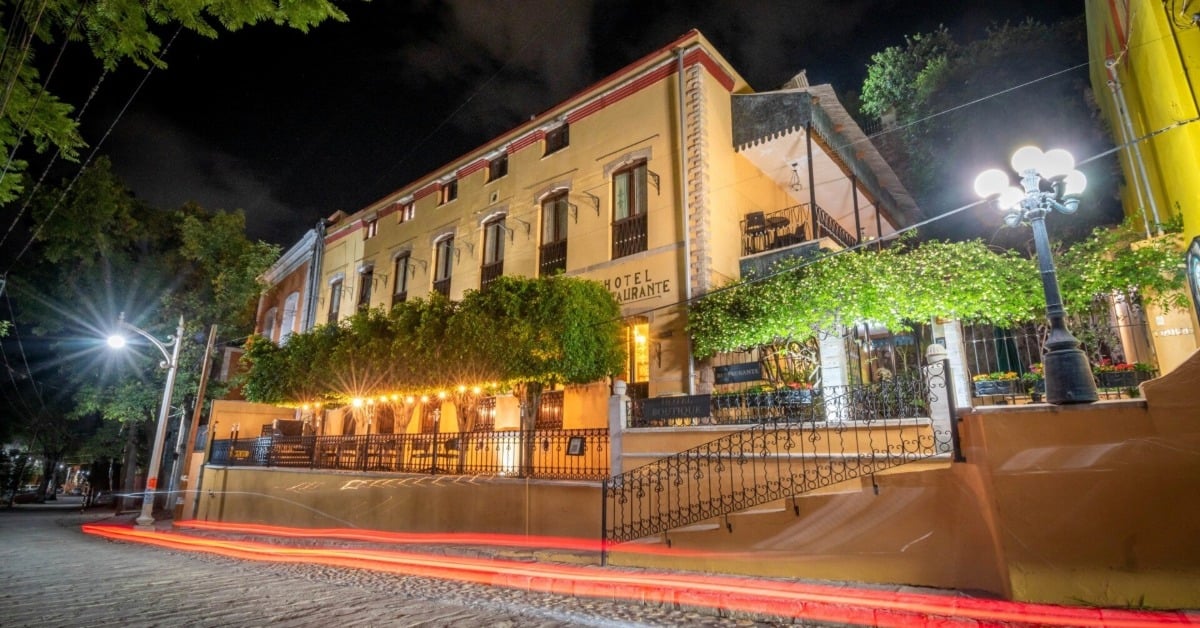
One of the most notable closures is the Quinta Las Acacias, a boutique hotel long seen as a landmark on Paseo de la Presa. Its shutdown has become symbolic of the broader financial pressures now squeezing hospitality businesses throughout the city.
Hotels Operating at Unsustainable Occupancy
Representative Rodrigo González Zaragoza of the Citizen Movement addressed the legislature’s Permanent Commission on July 23, calling the situation “critical.” He demanded swift government action. “Operating with 15 to 30 percent occupancy is simply not viable,” he said. He cited the burden of fixed expenses like employee wages, regulatory compliance, and property maintenance.
He pointed to the compounding problem of fixed overhead costs in an environment of declining revenues. “These aren’t just numbers—they represent lost jobs, strained families, and a shrinking local economy,” he said.
According to González Zaragoza, the downturn is part of a wider pattern affecting cities across the state, including León, Irapuato, San Miguel de Allende, and Celaya. What began as a post-pandemic struggle has evolved into a structural issue, he argued. It is aggravated by under-regulated competition from short-term rental platforms and unchecked real estate speculation.
State Plans Financial Relief to stop Guanajuato hotel closures
In response, the Guanajuato state government has announced a forthcoming program of financial support for the hospitality sector. The plan will involve targeted loans and economic incentives. It will be coordinated through the Ministry of Economy and the local financial agency Tú Puede.
While the details of the program are still pending, the initiative aims to stabilize struggling businesses and encourage reinvestment in tourism infrastructure. However, some lawmakers fear that patchwork solutions won’t address the underlying problems. This is especially concerning in a tourism-dependent city losing its appeal to both travelers and entrepreneurs.
Tourism Icons Like Mummy Museum Suffer Neglect
González Zaragoza also drew attention to deteriorating cultural landmarks that once drew steady crowds. “The Mummy Museum is a glaring example,” he said. “It was once a centerpiece of Guanajuato’s tourism identity. Now it’s neglected, underfunded, and failing to meet even the most basic visitor expectations.”
The state capital, long known for its colonial architecture, narrow alleyways, and vibrant cultural events, is increasingly perceived as stagnant. Tourism growth in the region has slowed, with visitor spending falling short of pre-pandemic levels.
Gentrification Adds Another Layer of Strain
Beyond the collapse of hotel revenues, gentrification is adding a layer of socio-economic pressure in Guanajuato and surrounding cities. González Zaragoza warned that residents are being pushed out, particularly in San Miguel de Allende, where rising property values and rents are pricing out locals.
“This is starting to resemble what we’ve seen in parts of Mexico City—a city transformed not for its residents, but for outsiders who can afford to buy in,” he said. “We’re already seeing similar trends in central areas of Celaya and León.”
Land speculation is distorting housing markets, making it difficult for locals to purchase homes or secure long-term rentals. For small business owners—especially hoteliers operating in the urban core—the economic model no longer makes sense. “If your property is worth more as a real estate investment than as a business, you close the business,” González Zaragoza stated plainly.
Unfair Competition from Digital Platforms
Lawmakers also pointed to the unregulated expansion of short-term rental platforms like Airbnb as another threat to the hotel industry’s survival. “These platforms don’t have to follow the same rules,” González Zaragoza said. “No payroll, no rent, no permits, no civil protection oversight. Of course they’re more profitable.”
He called on state and federal authorities to develop a coordinated tourism policy that addresses the imbalance between traditional hotels and digital platforms. He also encouraged federal participation—particularly from the Ministry of Tourism—to help Guanajuato reclaim its identity as a travel destination.
Looking for More Than a Band-Aid Solution
“There’s no quick fix for this,” González Zaragoza warned. “We need a deeper legislative review and sustainable strategies that support not just tourism operators, but the communities they serve.”
He stressed that the goal isn’t merely to keep hotels open but to revive a circular economy. This economy should support local vendors, preserve cultural heritage, and ensure long-term benefits for residents and visitors alike.
As Guanajuato prepares to roll out its economic relief package, stakeholders across the state are watching closely. The fate of the hospitality sector may depend not just on funding. It depends on whether the government is willing to tackle systemic issues—from regulation and competition to housing and cultural preservation—that have pushed an essential industry to the brink.
Guanajuato tourism, hotel crisis, hotel closures, Rodrigo González Zaragoza, tourism policy, gentrification in Mexico, Guanajuato economy