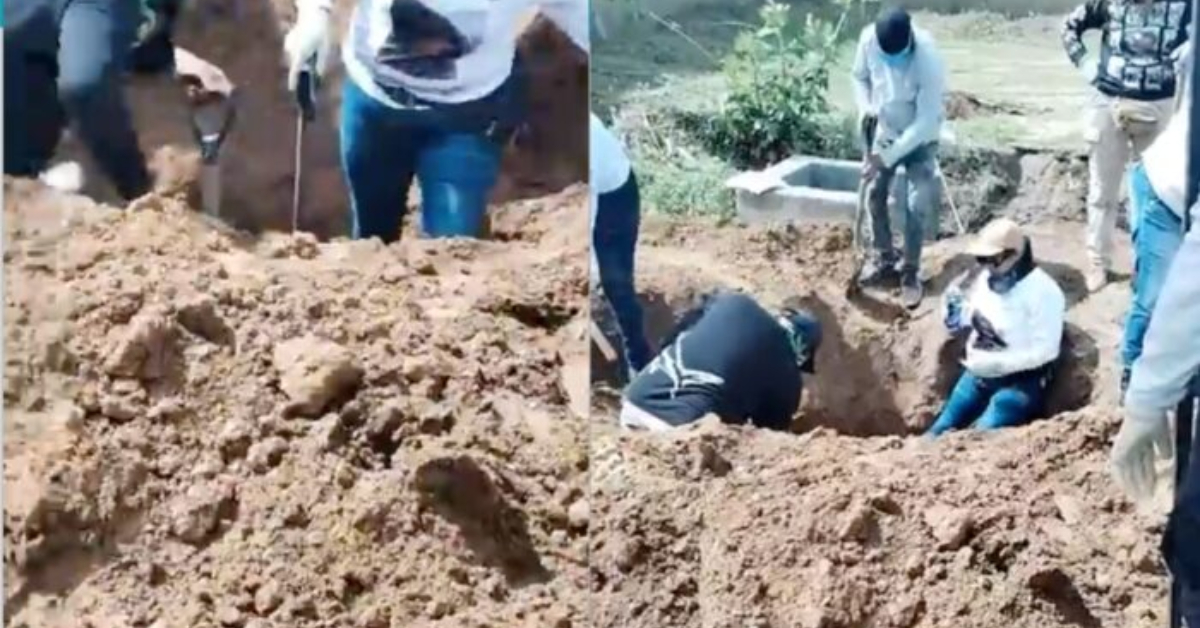
Volunteers from Guerreros Buscadores have recovered 211 bags of human remains from a vast clandestine grave in Zapopan and call for drone and radar support to complete the search.
Puerto Vallarta, Mexico – A grassroots search team in Jalisco has revealed what may be one of the state’s largest secret burial sites in recent years. Since March, volunteers from the Guerreros Buscadores collective have exhumed 211 bags of human remains on the Las Agujas farm in Zapopan, reigniting calls for a deeper, technology-driven investigation into the sprawling property.
Discovery and scope of the site
Indira Navarro, a spokesperson for Guerreros Buscadores, confirmed via social media that her team has been surveying Las Agujas since February. Although more than 200 bags of remains have already been recovered, only about one-third of the several-hectare estate has been explored. Navarro says the group expects to unearth many more remains as they extend their search across unexamined areas.
“There are quite a few hectares, and not even a third of them have been completed. Now that the National Commission is here, we want it to be re-reviewed using technology,” Navarro said, urging authorities to deploy drones and ground-penetrating radar to speed up the process.
Institutional response and past intervention
Earlier this year, the Jalisco Attorney General’s Office combed the same property in February and reported no further criminal evidence after recovering 169 bags of remains. Undeterred, Guerreros Buscadores returned on June 29 and located a second grave, finding 42 additional bags—five of them just this past Tuesday. To date, forensic analysts estimate the remains belong to at least 35 individuals, though identifications remain pending.
The group formally requested help from the National Search Commission, which has now joined ground operations. Volunteers cite slow, inconclusive action by local authorities as a key reason for seeking federal support.
Outcry from the university community
News of the mass graves hit home with students at the nearby University of Guadalajara Biological and Agricultural Sciences campus, less than three kilometers from Las Agujas. On Tuesday, hundreds of students marched to the Jalisco Government Palace, laying candles, posters, and photographs of missing classmates at the entrance.
Francisco Ponce, speaking for the demonstrators, accused the state and university of ignoring the discovery’s gravity. “While our hearts sink at the thought that one of our classmates could lie in those bags, the Zapopan government and the University remain silent and indifferent,” he said.
Student leaders demanded faster identification of the victims and enhanced security measures around the campus, citing limited transportation and poor policing in the area.
Rising concern amid growing disappearances
Abigail, one of the protest organizers, warned that clandestine graves and forced disappearances have crept closer to Guadalajara each month. “We feel real fear because forced disappearances and the discovery of clandestine graves have increased closer to the metro area. Insecurity keeps rising while the state fails to implement real safety measures,” she declared in a campus-wide statement.
Jalisco tops the national list for missing persons, with 15,414 cases out of 129,931 reported across Mexico, according to the National Search Commission’s latest figures. Community groups and families hope that cutting-edge tools and renewed institutional commitment will finally bring answers—and justice—for the victims.