Gulf of California LNG lawsuits were accepted by federal courts, forcing agencies and the presidency to answer on permits and oversight.
A pair of new amparo cases is now moving through Mexico’s federal courts, aimed at four LNG-linked megaprojects planned around the Gulf of California. The filings don’t ask judges to pick winners in the energy debate—yet. They aim to force the government to show its work: which permits exist, which risks were weighed, and which protections were actually ordered. The agencies say the projects are still “in review.” The groups argue that the answer hides the real story.
What the courts accepted
Two new indirect amparo filings have been formally admitted by Mexico’s federal judiciary. That matters because “admitted” is the system’s way of saying the cases cleared the first gate: the judges will now ask for official reports, review arguments, and decide what the government must do next. It is not a ruling on the merits, and it is not a project shutdown in and of itself. It is the beginning of a court fight with real deadlines.
ProDESC and Defensa Ambiental del Noroeste are leading the legal push. Their targets are the country’s leading environmental authorities for the hydrocarbons sector, the federal environment ministry, and the presidency. The center of gravity is not a single permit. It is the way decisions are being made, explained, and enforced across a cluster of projects that would reshape a sensitive marine corridor.
Why the Gulf of California is the line in the sand
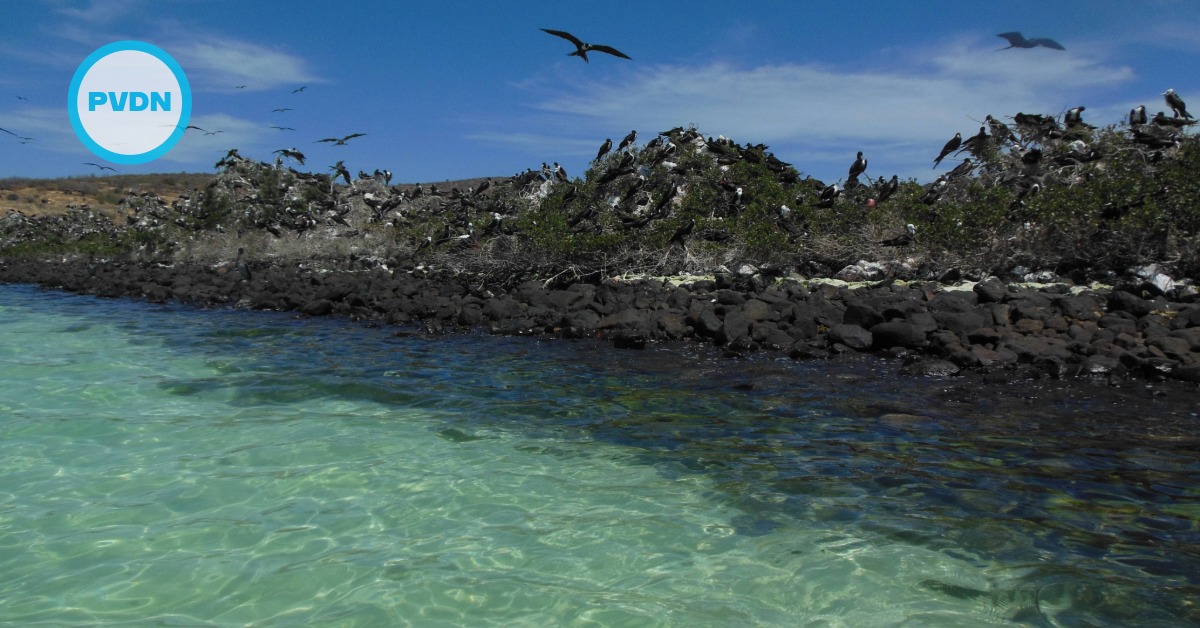
For many readers in Mexico, the Gulf of California is not an abstract map feature. It is the weekend escape, the whale-watching destination, the seafood supply line, and the backbone of local tourism economies on both coasts. It is also one of the most studied marine regions on the planet, recognized internationally for its biodiversity.
That ecological weight is why the legal strategy is framed around prevention rather than cleanup. Once a route is established for heavy industrial shipping, dredging, and offshore infrastructure, reversing the damage can be difficult and expensive, even when projects promise mitigation. The groups argue that the Gulf is being treated like a blank canvas for export infrastructure, when it is already a crowded, protected, and economically productive ecosystem.
Where groups say oversight broke down
The amparo claims focus on two technical-sounding yet consequential issues: transparency and cumulative impact. The organizations say they asked for clear, complete information about the actual status of authorizations and oversight, and did not get it. They also say the government has not explained what preventive actions, if any, are being taken to avoid harm before construction and operations lock in risks.
The four projects at the heart of the cases are a cross-border pipeline known as Sierra Madre, the proposed Saguaro Energía LNG terminal near Puerto Libertad in Sonora, the Corredor Norte pipeline, and the Vista Pacífico LNG maritime terminal planned for Topolobampo in Sinaloa. Each one can be reviewed on paper as its own file. The groups say that approach misses what residents would actually live with: combined dredging, combined vessel traffic, combined emissions, and combined pressure on fisheries and coastal livelihoods.
Their court filings also place the presidency in the frame. The argument is that environmental protection is not only an agency checkbox. It is a constitutional duty tied to the right to a healthy environment and the public’s right to request and receive a grounded answer from the state. The Escazú Agreement serves as the modern benchmark for this dispute: access to environmental information, meaningful participation, and access to justice when government action is unclear or incomplete.
What happens next
Once admitted, an amparo can move quickly or slowly, depending on what judges demand of the government and how agencies respond. The near-term question is simple: will authorities provide specific, verifiable answers about permits, conditions, and enforcement, or will they keep leaning on the phrase “still under review”?
The political stakes are already visible. President Claudia Sheinbaum has publicly pushed back on claims of irregularities around Saguaro, while also saying her administration intends to ensure there is no environmental harm. The court cases test whether that assurance will be backed by documents, conditions, and a regional plan that treats the Gulf as one system, not a stack of separate projects.
For expats who chose Mexico partly for its coastlines and nature, this fight is also about the country you live in becoming the country you thought you moved to. Strong institutions do not just approve or deny projects. They explain decisions in plain language, publish the underlying evidence, and prove that “protection” means something before the damage is done.