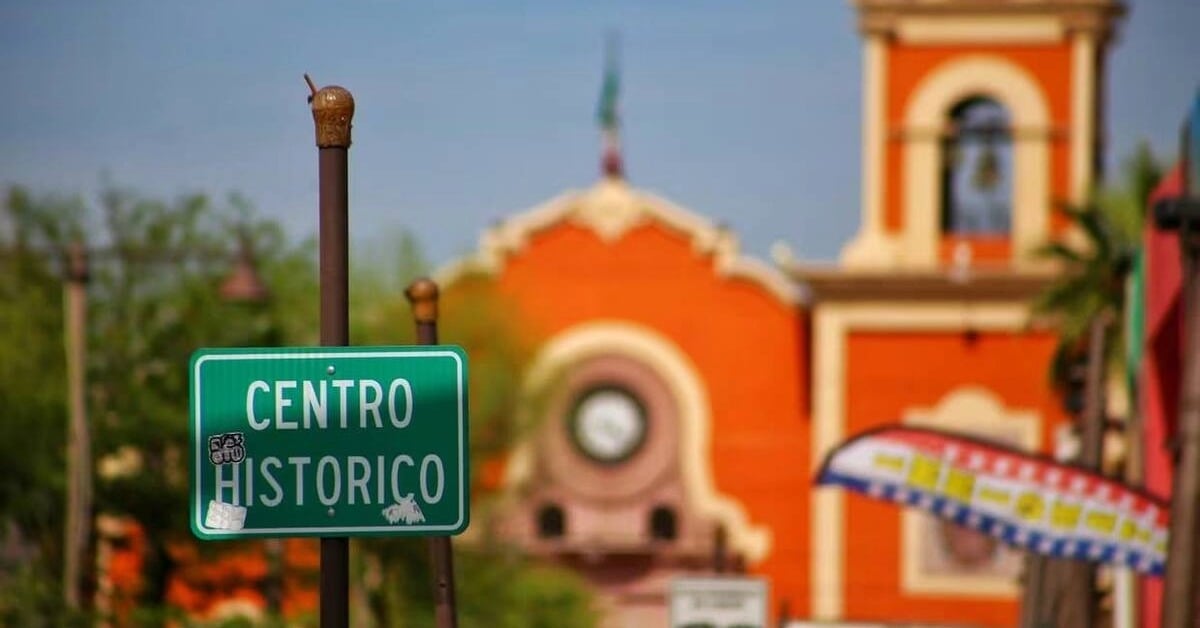
Mexicali, Baja California – The heat is clearing out storefronts in Mexicali. The local chamber of commerce says some businesses are seeing sales fall by as much as twenty percent as residents avoid going out in the worst weeks of summer. July and August bring the sharpest slowdown, and restaurants feel it first. Empty tables tell the story before the ledgers do.
The chamber’s president, José Antonio Villa González, describes a season where survival gets harder the moment the thermometer climbs. The climate shock is obvious. The hidden pressure sits in the paperwork and operating costs that never cool down. When sales soften, those fixed burdens bite deeper.
Heat wave dents retail foot traffic in Mexicali
The pattern is familiar to anyone who runs a shop or a dining room here. Regulars push errands earlier or stay home entirely. For a restaurant, that can turn a day’s takings into a half day’s takings with the same rent, the same payroll, and the same inspections. The chamber’s snapshot does not claim a collapse, but it leaves little doubt about the squeeze: lower demand on the front end, rising costs, and delays on the back end.
Officials from Canaco point to a tangle of formalities that slows new ventures when a bad season already tests cash flow. Entrepreneurs can wait up to four months to finish the steps that let them operate fully and legally, the chamber warns. That timeline becomes a trap if a business launches just as the hottest months arrive. The calendar, not only the climate, turns against them.
The cost side makes the slump heavier
The chamber’s president underlines a specific pain point: the price of doing things by the book. Payroll in full compliance adds a premium that the businesses in the twenty-five to thirty percent range over base wages, once social security and related obligations are counted. In a strong month, that is the price of stability. In a weak, overheated month, it becomes a hill that small operators cannot climb.
Then there are the inspections. No one argues against oversight in principle, but the chamber says the frequency of visits piles administrative friction onto owners who are already watching the door for customers who never arrive. It is the little interruptions that become big when sales drop—paper checks, repeat visits, the hour that pulls a manager off the floor.
Restaurants carry the brunt
Food service is the most exposed sector in a heat wave. The product depends on full rooms, steady turnover, and impulse visits that disappear when the city bakes. Canaco says restaurants are bearing the steepest losses in foot traffic this season. A dining room cannot recover a lost lunch hour the way a retailer can sometimes recover a sale later in the week. In long summers, that math wears down even well-run kitchens.
Mexicali’s business culture adapts, but there are limits to adaptation when the outside air punishes movement. The chamber’s account is careful not to reduce the problem to weather alone. It pairs the temperature with “tramitología,” the word that covers the slow path from idea to permit to full operation. The combination turns a seasonal lull into a structural risk for small firms that entered the market without room for four quiet months.
What relief looks like on the ground
The chamber says it is offering advisory support at no cost to people starting out, a nod to the fact that the first steps—forms, fees, compliance checks—are where many plans stall. That help can shorten the runway when revenue is soft. But the longer list of fixes sits with public offices that control timelines and with a broader policy debate on how often to inspect, by whom, and with what expectations during the worst weeks of the year.
None of that diminishes the immediate reality. A restaurant with half the usual covers still pays for the same square meters. A shop with a thin till still faces the premium of formal payroll. In that context, the chamber’s warning reads less like a complaint and more like a ledger line—if the heat cuts demand by a fifth, the city’s processes and costs should not erase the rest.
The bottom line for Mexicali’s businesses
This is not a call to suspend rules. It is a call to recognize how climate amplifies every friction point in a hot-weather capital. The chamber’s figure—sales down as much as twenty percent in some sectors—sets a scale for the problem, not an end to it. On the current track, a heat wave does more than empty tables. It exposes every delay, every added peso, every extra visit, until the numbers no longer hold.
If relief comes, it will come in small, practical moves: faster paths to full permits, clearer calendars for inspections, and targeted support that keeps kitchens open long enough to see cooler nights return. None of those changes defy the heat. They make it survivable. That is the distinction business owners in Mexicali are asking the city to see while the sun keeps the streets thin and the rooms quiet.