PUERTO VALLARTA (PVDN) – Mexico has been experiencing an intense heatwave and a significant decrease in rainfall over the past few days. With the mounting high temperatures and the prolonged dry spell, the question in everyone’s mind is, “When will the rains arrive?” Among meteorological reports, one term has begun to gain prominence – “El Niño”. It’s a climatic phenomenon known to cause extreme weather variations, but what exactly is it and how will it impact Mexico?
Understanding the “El Niño” Phenomenon
The National Water Commission (Conagua) defines “El Niño” as an oceanic-atmospheric pattern of natural variability. It is centered along the equatorial Pacific and is characterized mainly by variability in the ocean surface temperature, the trade winds’ circulation, and the depth of the thermocline or mixed layer.
“El Niño” does not occur periodically, but rather irregularly, with cycles ranging from two to seven years, according to Conagua.
In a forecast on May 11, 2023, the National Oceanic and Atmospheric Administration (NOAA) stated that current weather conditions suggest a 90% probability that an “El Niño-Southern Oscillation” (ENSO) will form in the second half of this year.
The Effects of “El Niño” on Mexico
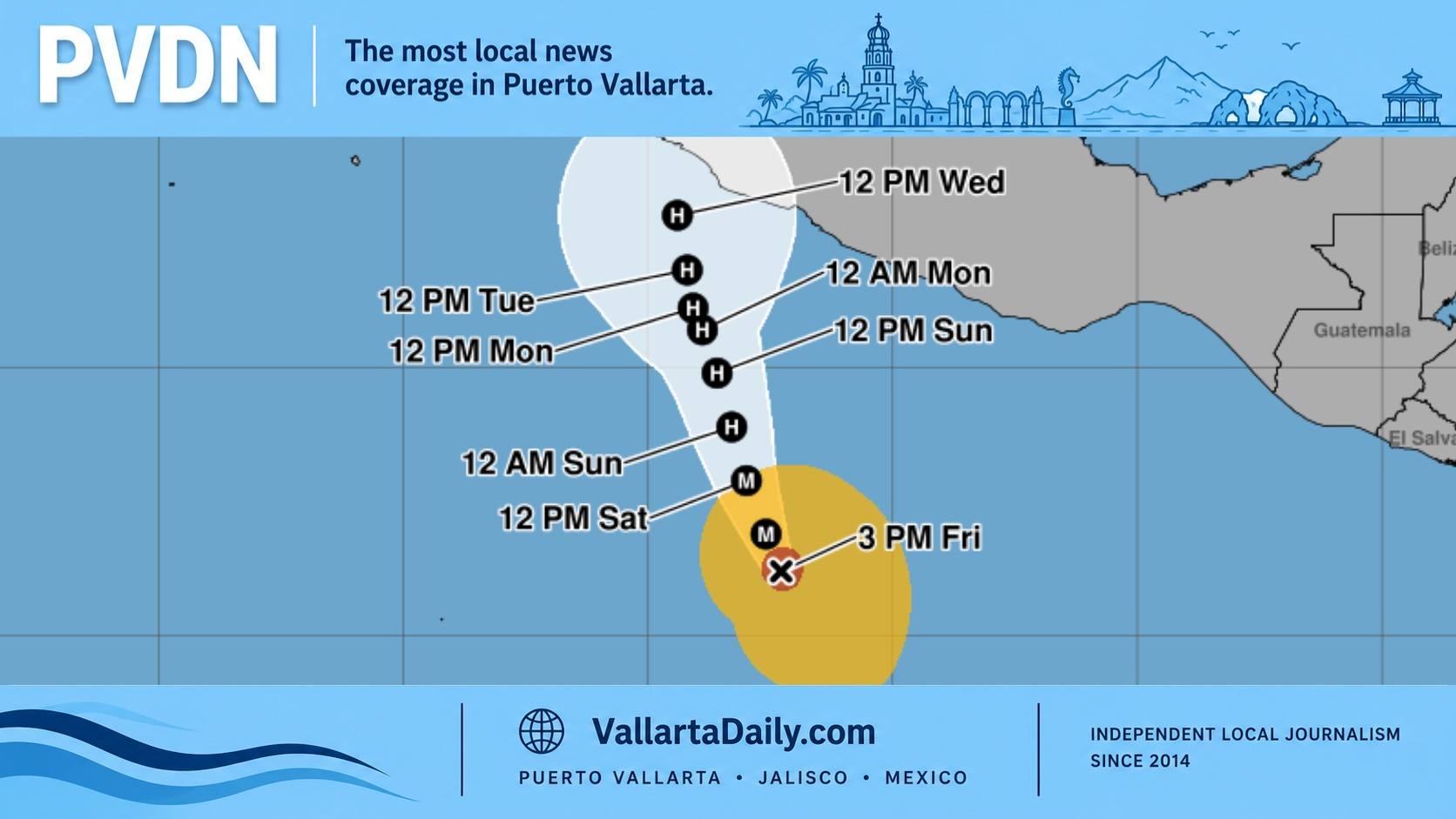
According to an article in the Gazette of the National Autonomous University of Mexico (UNAM), the phenomenon of “El Niño” would likely promote the formation of tropical cyclones in Mexico. “However, the impacts can vary throughout the country, depending on the intensity of the phenomenon,” stated Conagua.
Alejandro Jaramillo Moreno, a researcher at the Institute of Atmospheric Sciences and Climate Change (ICAyCC), explained that if the current trend advances and conditions related to an ENSO “El Niño” event develop, the effects won’t be immediately felt in the Pacific and Mexican territory.
One of the major impacts of “El Niño” is on humidity. Jaramillo Moreno pointed out that if a transition to “El Niño” occurs, it will likely result in drier conditions in the South Pacific region of the country.
“All the Pacific coasts in Mexico will be affected by a decrease in rainfall. In contrast, in the north of Mexico, this change brings increased humidity. This is because more tropical cyclones form in the Pacific. These cyclones can move inland and bring precipitation, which is one of the key effects of cyclones. They are not solely destructive, but also bring much-needed moisture,” stated Jaramillo Moreno.
Moreover, “El Niño” facilitates the entry of humidity during the dry season due to the arrival of cold fronts in the country, the specialist explained. As Mexico braces for the possible onset of “El Niño”, the nation waits in anticipation for the climatic changes it may bring.