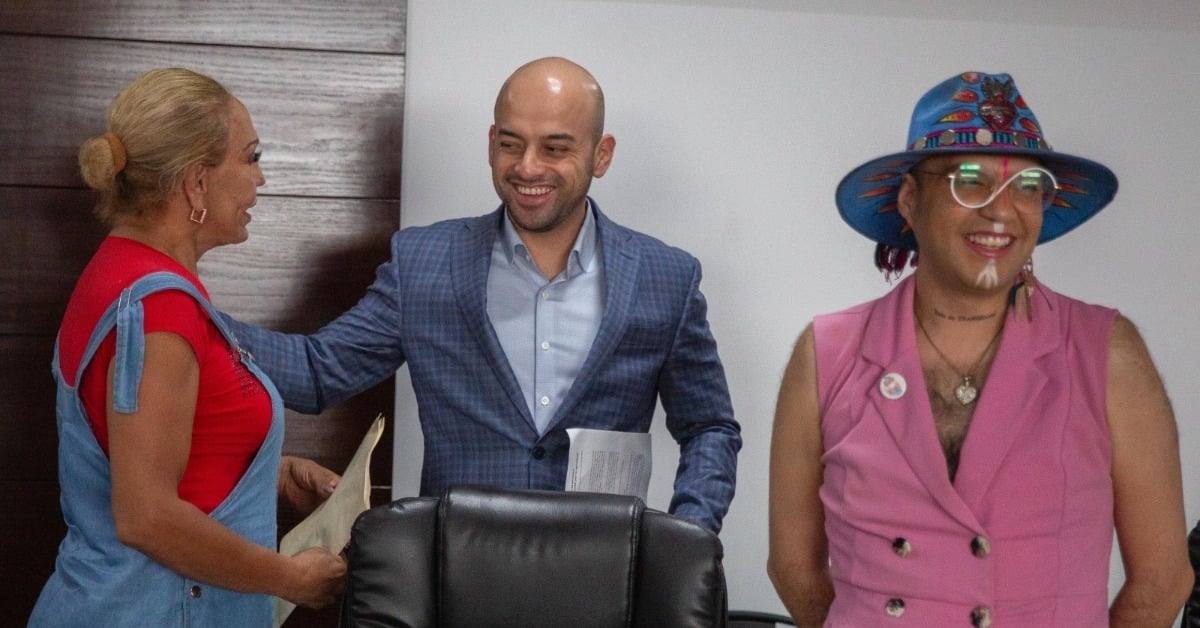
The Morelos attorney general, Edgar Maldonado, met with LGBTQ+ organizations and municipal equality officials to reaffirm a simple promise: inclusive justice that listens and acts. The conversation centered on discrimination—one of the most common complaints LGBTQ+ residents report—and on practical steps to make reporting easier, including the state’s new digital complaint platform. The message was plain. Doors are open. Use them.
Inclusive justice in Morelos
The meeting took place at the Prosecutor’s Office in Temixco, with Maldonado introducing an expanded team of regional and specialized prosecutors. Attendees from Cuernavaca, Cuautla, and Jojutla pressed for faster, clearer responses when people face harassment or are denied services for who they are. Prosecutors walked through how discrimination cases move and where alternative resolutions appear—and where they shouldn’t.
Local groups are left with two priorities. First, consistent criteria should be used when a complaint involves anti-LBGTQ bias, so cases are not downgraded or stalled. Second, follow-through: more visibility into outcomes, not just intake. These are the kinds of basics that build trust, and they will be the measure of this new partnership.
Digital complaints, explained
Morelos now lets people start a complaint online. You describe what happened, choose the relevant offense from a catalog of 18 crime types, and book a time to ratify in person. It’s not a shortcut around due process—it’s a way to save hours at a desk and reduce the friction that keeps many victims silent. For LGBTQ+ residents who fear being outed in a crowded lobby, that difference matters.
The portal won’t fix everything. It needs trained staff on the other side, and clear signals that bias-related cases get taken seriously. But it lowers a barrier that the community has flagged for years. The ask from advocates is straightforward: publish usage metrics, publish outcomes, and train every intake desk to handle sensitive cases with respect.
The legal baseline in Morelos
Morelos law prohibits discrimination based on sexual orientation and gender identity. State reforms in recent years, including a ban on conversion “therapies”, have expanded formal protections. On paper, residents have tools. The current focus is on making those tools usable—without fear of dismissal, delay, or humiliation when someone finally decides to report.
Why this matters
Across Mexico, violence and discrimination against LGBTQ+ people remain a fact of life. Civil groups that document cases reported dozens of killings in 2024 linked to prejudice, and the trend has not eased this year. Those numbers aren’t abstractions in Morelos. They are the backdrop to daily decisions about whether to file a complaint, whether to insist on a record, and whether institutions will stand up for a victim when it’s uncomfortable.
The prosecutor’s office has framed its approach as “close to the people” and empathetic. That framing will be tested in small ways—by how a receptionist greets a trans woman on a bad day—and in big ones, when a hate-motivated killing lands on a desk. The community will judge by results: faster investigations, fewer brush-offs, and public data that shows progress rather than promises.
Expect follow-up working groups with the same collectives. Watch for internal training on bias and victim attention, the publication of portal statistics, and updates to the discrimination guidelines prosecutors referenced in the meeting. If those pieces arrive on time, inclusive justice Morelos will start to feel less like a slogan and more like a service people can trust.