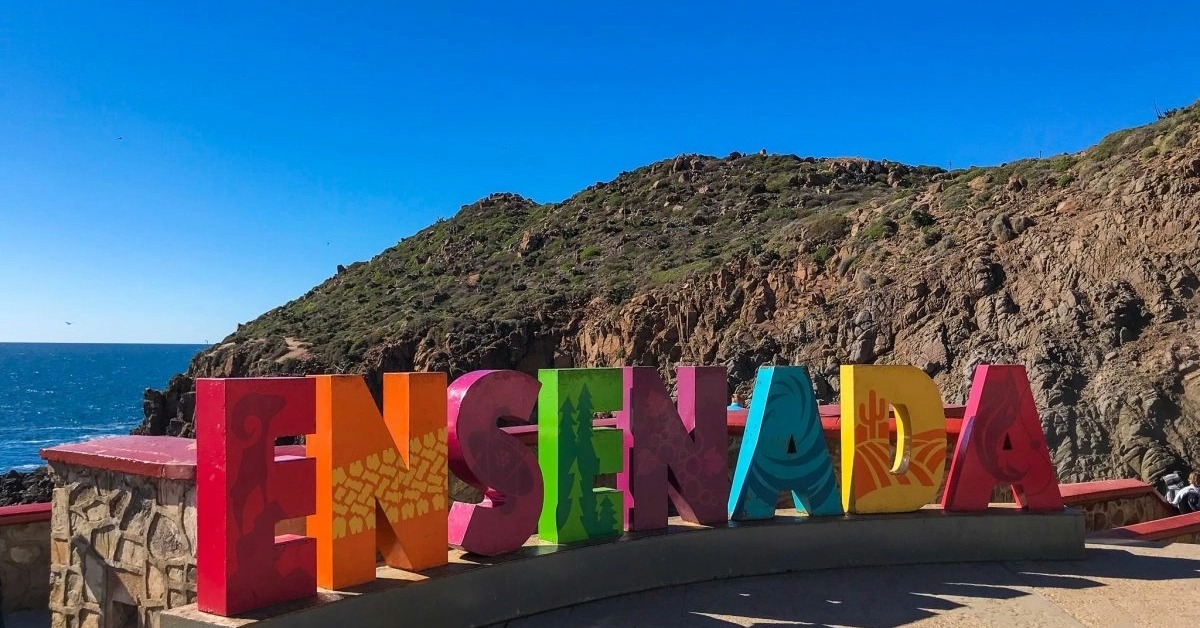
Ensenada, BC – Members of the Consejo Coordinador Empresarial de Ensenada (CCEE) met with Governor Marina del Pilar Ávila Olmeda during the plenary session of Baja California’s state CCE committees to align on a high-impact agenda for infrastructure priorities in Ensenada. Their joint plan zeroes in on guaranteeing water supply, solving traffic bottlenecks, modernizing port facilities and rolling out green infrastructure, all aimed at unlocking private investment and boosting local economic growth.
Key Agreements in Plenary Session
Guaranteeing Water Resources and Improving Mobility
The CCEE insisted water security must lead the infrastructure push. Representatives highlighted chronic supply shortfalls in Maneadero and downtown zones, urging the state to expand desalination capacity and rehabilitate treatment plants to enable water reuse. Simultaneously, they called for targeted road upgrades at congested chokepoints—especially the Federal Highway 1 bypass and access to the El Sauzal industrial corridor—to unclog freight and commuter traffic.
Governor Ávila Olmeda responded that a Programa Sectorial de Infraestructura Verde will fund early-stage diagnostics and planning, with an initial 2.3 million pesos earmarked for environmental assessments, GIS mapping and pilot green-drainage systems under Sidurt oversight. That program is intended to dovetail with mobility works, ensuring that new roads incorporate sustainable stormwater management.
Port Modernization to Spur Growth
Public Works and Federal Backing
Attendees noted that Ensenada is poised to receive a 5 636 million-peso federal injection for port modernization, including harbor dredging, breakwater expansion and a new Maritime Traffic Control Center. This historic outlay, confirmed by municipal authorities on July 25, 2025, will position the port to handle larger cargo and cruise ships.
Beyond that, the CCEE repeated calls for clarity on the Punta Colonet mega-port project and for federal ports authority (Asipona) to channel a share of port revenues back into city infrastructure—proposals first raised in March 2025 and still awaiting detailed plans.
Business Council Demands and Coordination
At a May 12 meeting with Asipona officials, CCEE president Julio Salinas López underscored that statutes require surplus port earnings be reinvested locally, a point he reiterated during the August plenary. Business leaders pressed for formal revenue-sharing mechanisms—whether via a dedicated trust or earmarked levy on cargo handling—to fund roads, lighting and public spaces in neighborhoods adjacent to the docks.
Green Infrastructure and Sustainability
Integrating Urban Ecology
The state-level CCEE session also advanced a green-infrastructure agenda, backing projects that restore urban waterways, plant canopy corridors and deploy rain-harvesting installations. Proponents say these measures will boost public health, reduce flood risk and create local jobs in ecological services.
Governor Ávila Olmeda pledged to fast-track environmental impact clearances and incorporate community feedback through public consultations—echoing federal guidelines on sustainable port expansions that allocate 7 000 million pesos for maritime infrastructure across Baja California.
Next Steps and Oversight
Implementation Roadmap
State and municipal agencies committed to publishing a detailed timeline by mid-August. That roadmap will map each priority—water works, road upgrades, port projects, green-tech pilots—against quarterly targets, with progress tracked on a public dashboard.
Private Capital and Job Creation
CCEE leaders noted that clear priorities and transparent execution plans are critical to sustain the region’s private investment momentum, which totaled over $300 million in high-impact projects through mid-2025. That confidence has already correlated with a near-50% jump in manufacturing output, and stakeholders expect infrastructure gains to fuel more job growth.