UNESCO has added Iztapalapa’s Passion of Christ to its Intangible Heritage list, turning a local promise into a globally protected tradition.
On a December afternoon in New Delhi, far from the crowded streets of eastern Mexico City, a community promise made almost two centuries ago has now reached the world stage. UNESCO’s Intergovernmental Committee voted to inscribe the Representation of the Passion, Death and Resurrection of Christ in Iztapalapa on its Representative List of the Intangible Cultural Heritage of Humanity, formally recognizing a Holy Week ritual that has shaped everyday life in Mexico City’s most populous borough for generations.
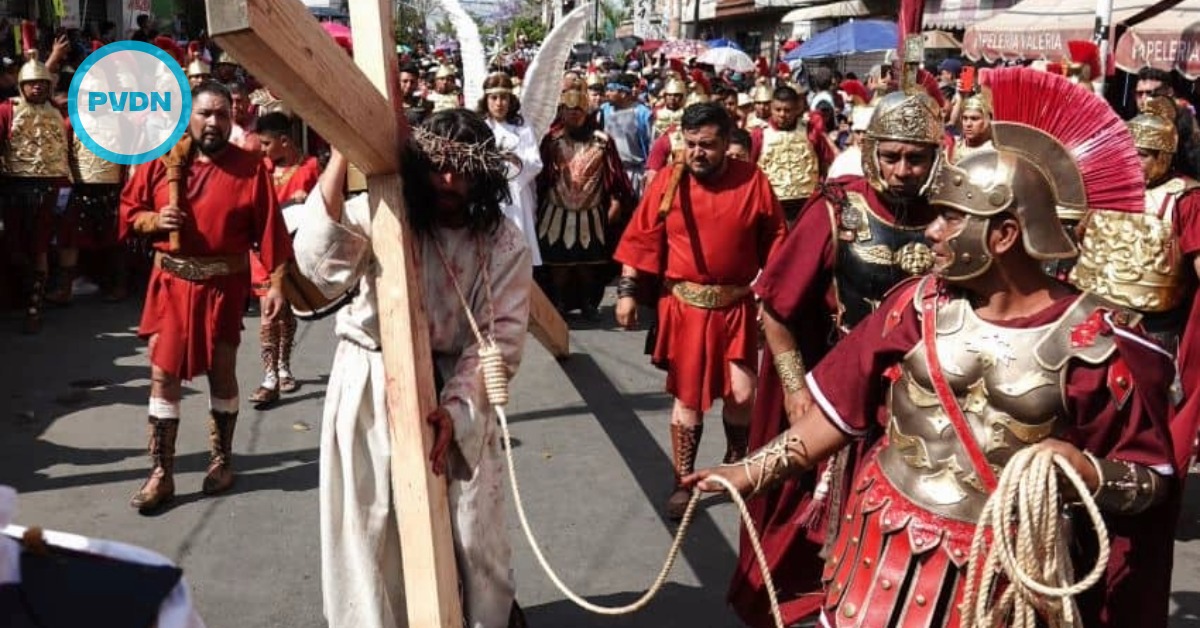
The decision caps years of work by residents, church leaders and cultural authorities who built the case that this is more than a religious spectacle. For Iztapalapa’s eight traditional neighbourhoods, the Passion play is a way of teaching history, faith and local identity in the streets, plazas and on the slopes of Cerro de la Estrella. It is also one of the largest public events in the country: each Holy Week, hundreds of actors and thousands of volunteers reenact biblical scenes while more than a million spectators follow on foot or through national television broadcasts.
UNESCO’s recognition places Iztapalapa alongside other living traditions from Mexico already on the list, including Day of the Dead celebrations, mariachi music and traditional cuisine. Unlike monuments or archaeological sites, these practices are valued not as frozen relics but as living expressions. The Convention on Intangible Cultural Heritage describes them as rituals, festive events and social practices that communities themselves recognise as part of their identity, and that must keep evolving to survive.
Iztapalapa Passion of Christ
The roots of Iztapalapa’s Passion go back to a nineteenth-century cholera epidemic that devastated communities around the Valley of Mexico. Local tradition says that residents prayed to the image of the Señor de la Cuevita, vowing to hold a procession in gratitude if the disease spared the town. After the epidemic subsided, they kept their word. By 1843, the procession had grown into an outdoor dramatization of the final days of Jesus, staged by villagers rather than clergy.
Over time, the event expanded as Iztapalapa itself grew from a semi-rural town into a vast urban borough. Today, it is home to around 1.8 million people and is the largest borough in Mexico City. Yet the Passion play remains anchored in the original eight barrios, whose residents still have priority in the casting. Preparations begin in December with auditions for principal roles and months of rehearsals, costume making and the building of temporary stages.
During Holy Week, streets and plazas are taken over by scenes that many families know almost by heart: Jesus entering Jerusalem on Palm Sunday, the Last Supper and arrest on Maundy Thursday, and the long Good Friday procession through the neighbourhoods and up to Cerro de la Estrella, which stands in for Mount Calvary. Alongside the main cast, hundreds of Nazarenes carry wooden crosses of their own as an act of penance, while neighbours line the route, offer water and food, or help with first aid and crowd control.
That scale explains why attendance is counted in the millions. For local authorities, the play is also a huge logistical exercise, involving security operations, medical teams and transport management. For residents and organisers, grouped in the Comité Organizador de Semana Santa en Iztapalapa (COSSIAC), it is primarily an act of faith and a marker of belonging. Many of the tasks, from sewing costumes to building sets to caring for the actors, are passed down within families, turning the Passion into a year-round commitment rather than a single week of performances.
What UNESCO status means for Iztapalapa
The new listing does not create property rights or turn the Passion into a museum piece, but it does attract international attention to its protection. In its assessment, UNESCO highlighted the way the play supports cultural rights, community organisation and social cohesion in a borough that often appears in headlines for very different reasons. The inscription also commits Mexican authorities to work with neighbours on safeguarding plans, from preserving historical archives and recordings to ensuring that future generations can still afford to take part.
For Iztapalapa’s residents, the decision is as much about dignity as it is about heritage law. The Passion play has long been a point of pride in a borough where public services, security and infrastructure have lagged behind the rest of the capital. Being recognised on the same list as other global traditions signals that their devotion, discipline and unpaid work matter beyond their own streets.
There are also practical questions ahead. Crowds are already enormous, and recognition is likely to draw even more visitors from Mexico and abroad. Organisers and authorities will have to balance that interest with the safety of participants and the protection of Cerro de la Estrella, which is both a national park and an important archaeological site. Some in the community are already discussing how to keep the focus on spiritual meaning and neighbourhood participation rather than on commercial attractions that cluster around the route.
What is clear is that the UNESCO label arrived only after local people spent decades preserving the tradition themselves. Long before it became an official “element” with a file number in Paris, Iztapalapa’s Passion play survived epidemics, rapid urbanisation and even pandemic-era restrictions that forced the 2020 edition behind closed doors. The new status may bring funding, visibility and technical support, but the future of the ritual will still depend on the same actors, seamstresses, carpenters, musicians and volunteers who live in the eight barrios and return year after year to keep their promise.