Jalisco Pueblos Mágicos face infrastructure decay after federal funding cuts under López Obrador, prompting state and private efforts to fill the gap.
Puerto Vallarta, Jalisco — Jalisco’s eleven Pueblos Mágicos now show visible signs of wear after the federal government ended dedicated funding that once kept their streets, plazas and public buildings in good repair. In 2018, the final year of President Enrique Peña Nieto’s administration, Mexico allocated 585 million pesos to support infrastructure projects in these towns. Those funds vanished when President Andrés Manuel López Obrador took office, leaving local officials scrambling to cover costs and preserve sites that drive tourism and local pride.
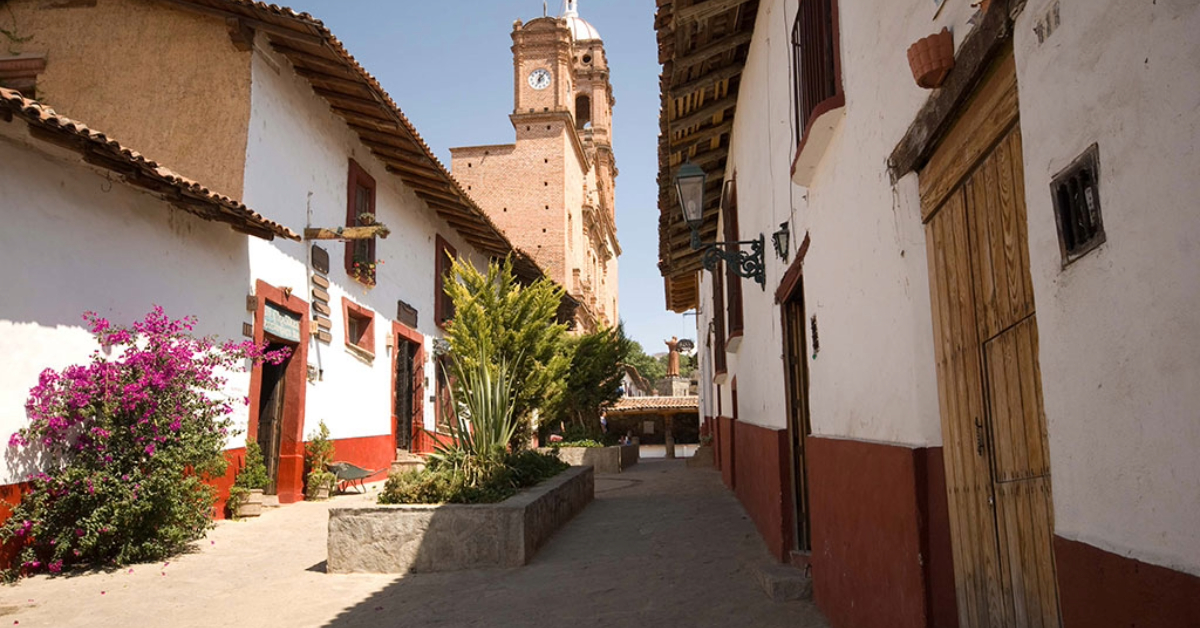
The effects run deep. Many towns report crumbling facades, exposed wiring, damaged public squares and poor road surfaces. Urban mobility suffers and historic buildings risk further decay. Mayors say the funding formula overlooks the heavy burden placed by visitors, who often outnumber permanent residents but generate no direct support from the federal budget.
Diego Rivera, mayor of Tequila, urges federal and state authorities to step up. “We have some municipal revenue, but it won’t cover the repairs we need,” he said. “Tourists pour in every day, but the government doesn’t count them when it decides our budget.”
Tapalpa’s mayor, Antonio Morales, made a similar point. “We say this with sadness: federal neglect hurts our towns,” Morales said. “Budgets follow population headcounts only. They ignore the pressure visitors place on our services and roads.”
Jalisco Pueblos Mágicos Face Infrastructure Challenges
The Jalisco state government plans to inject 101 million pesos in 2025 to help its Magical Towns. State Secretary of Tourism Michelle Fridman announced that guidelines for distributing the fund will be published soon. “We’ve reviewed the project proposals from each municipality,” Fridman said. “We’ll prioritize those that boost infrastructure, training and tourism products, but also strengthen our interior trust and attract private investment.”
Early signs suggest that even modest support can spark momentum. Hotel occupancy in Jalisco rose this year, and tourist arrivals climbed steadily, according to Fridman. Local leaders hope the state funds will cover repairs to roads, public lighting and community spaces.
Experts argue that governments alone cannot shoulder the responsibility. Ramón Godínez Ortiz of the University of Guadalajara’s Department of Tourism advises a unified approach. “Tourism governance needs active roles for citizens, businesses and all levels of government,” he said. “We see success stories worldwide where private investment, nonprofits and local committees work alongside officials to promote and maintain heritage towns.”
Tequila offers a model. That town invested in guided tours, local distillery partnerships and community events. As a result, it boosted its visitor numbers and improved public infrastructure through a mix of municipal budgets, state grants and private sponsorship.
Alejandra Gutiérrez López, also at the University of Guadalajara, points to Talpa de Allende. “Pilgrims arrive every year for its religious sites, but the town could expand its offerings,” she said. “Local entrepreneurs could add cultural tours, food festivals and artisan markets. Those efforts would diversify income and fund upkeep.”
With federal support off the table for now, Jalisco’s Pueblos Mágicos must tap state aid and rally private partners. Local and state governments, businesses and residents need to share the load if these towns are to retain their charm and keep drawing visitors for generations to come.
Jalisco, Pueblos Mágicos, federal funding, tourism infrastructure, Enrique Peña Nieto, Andrés Manuel López Obrador