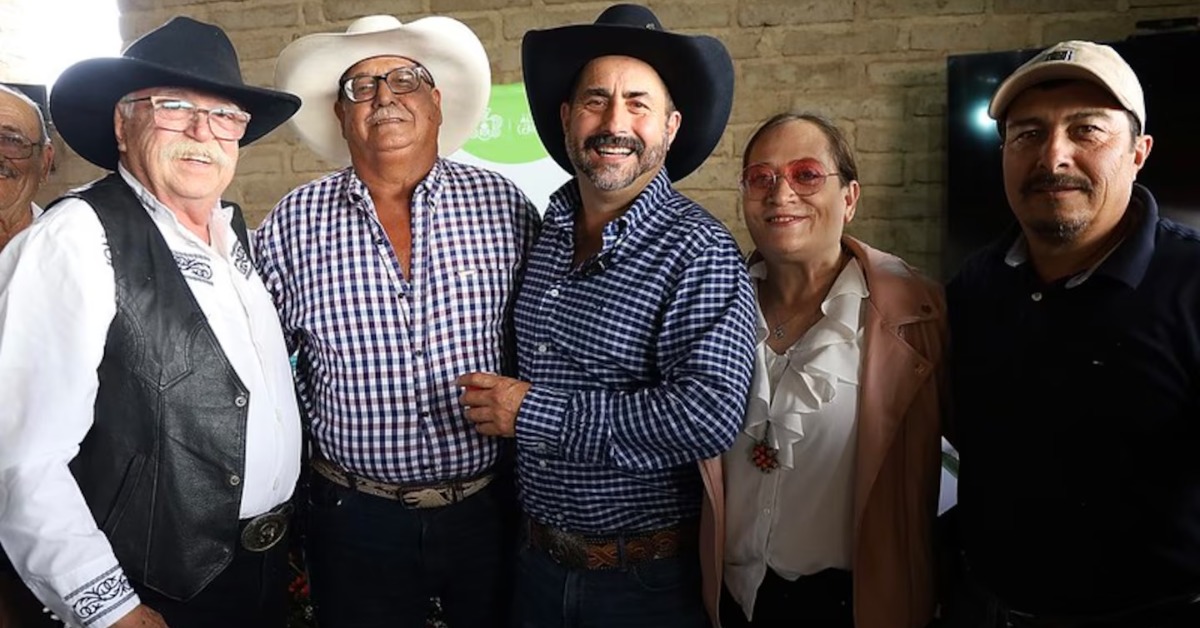
Mascota, Jalisco – The government of Jalisco is expanding its support for raicilla with a direct investment of 3 million pesos aimed at lifting quality and scaling output. At an event held in Mascota at the headquarters of the Consejo Mexicano Promotor de la Raicilla A.C., the head of SADER Jalisco, Eduardo Ron Ramos, confirmed that the funds have already been allocated: 2 million pesos went to distribute more than 139,000 agave plants to qualified growers, and 1 million pesos supplied 46 fermenters to taberneros, the small distillers who turn agave into raicilla.
Raicilla has held Denomination of Origin status since 2019, tying its identity to a defined set of municipalities and protecting its method and origin. The recent infusion of plants and modernized fermenting capacity is intended to strengthen both the base of raw material and the early stages of production while maintaining the traditional small-batch character that defines the spirit.
Strengthening the value chain beyond inputs
Ron Ramos emphasized that the effort goes beyond handing over physical goods. SADER Jalisco is layering additional support through technical assistance, delivery of biological materials, and collaboration on regulatory alignment. Producers in the region are working with the agency to establish the corresponding Norma Oficial Mexicana (NOM) to bring consistent standards without stripping the drink of its regional authenticity.
The dual support—inputs plus institutional capacity—aims to embed resilience in the raicilla supply chain. Growers receive better plant stock while taberneros gain more predictable fermenting infrastructure, and both groups get guidance that helps them meet formal production expectations and prepare for broader market access.
Preparing for global exposure
As part of the strategy to elevate raicilla’s profile beyond the region, SADER Jalisco is negotiating a joint agreement with the Consejo Agropecuario y de Desarrollo Industrial de Jalisco. That collaboration would create a combined fund of 7 million pesos to finance participation in four international fairs. Officials see the external promotion as the next phase: building visibility for raicilla abroad while reinforcing its legitimacy at home.
The international push is framed as a way to convert cultural heritage into economic opportunity. By showcasing the spirit on foreign stages, the state aims to create demand that rewards authenticity and helps producers capture premium value for a product rooted in Jalisco’s land and traditions.
Local beneficiaries and regional identity
Álvaro Fernández Labastida, president of the Consejo Mexicano Promotor de la Raicilla, thanked the state for the targeted support, noting the specific scale of beneficiaries: 64 agave growers and 46 taberneros. The fermenters delivered each have a 500-liter capacity—enough to preserve the artisanal feel while giving distillers more consistency and throughput. The agave varieties provided reflect the geographic breadth of the product: Agave maximiliana from the highlands and Agave angustifolia from the coast, signaling a respect for both regional terroirs that feed into raicilla’s identity.
The investment also reaffirms the role of 16 Jalisco municipalities officially recognized in the Denomination of Origin: Atengo, Atenguillo, Ayutla, Cabo Corrientes, Cuautla, Chiquilistlán, Guachinango, Juchitlán, Mascota, Mixtlán, Puerto Vallarta, San Sebastián del Oeste, Talpa de Allende, Tenamaxtlán, Tecolotlán and Tomatlán. The inclusion of Bahía de Banderas in neighboring Nayarit underscores the cross-border cultural ties embedded in the spirit’s production footprint.
A multi-pronged strategy for growth
Observers of the sector characterize the effort as a layered strategy: immediate gains from improved inputs and equipment, medium-term alignment through formal standards, and longer-term growth driven by external market development. For small-scale producers, the most tangible changes arrive in the form of healthier agave stock and reliable fermenting capacity. Behind that, the promise of international exposure and tighter brand positioning creates a pathway to higher margins and broader recognition.
SADER Jalisco’s focus on raicilla fits into a wider agenda of rural economic strengthening under Ron Ramos, who has emphasized sustainable productivity and helping regional producers access new marketplaces. This initiative dovetails with earlier efforts targeting small and mid-sized agricultural actors across the state, positioning raicilla as both a cultural emblem and a viable export product.
Testing the balance between tradition and scale
The coming months will test whether the combination of strengthened local capacity and outward-facing marketing can translate into sustained gains for the producers and distillers who carry raicilla’s legacy. If successful, Jalisco’s model could serve as a blueprint for leveraging regional spirits: defending origin, upgrading production, and connecting to customers beyond borders without losing the rooted character that makes them distinct.