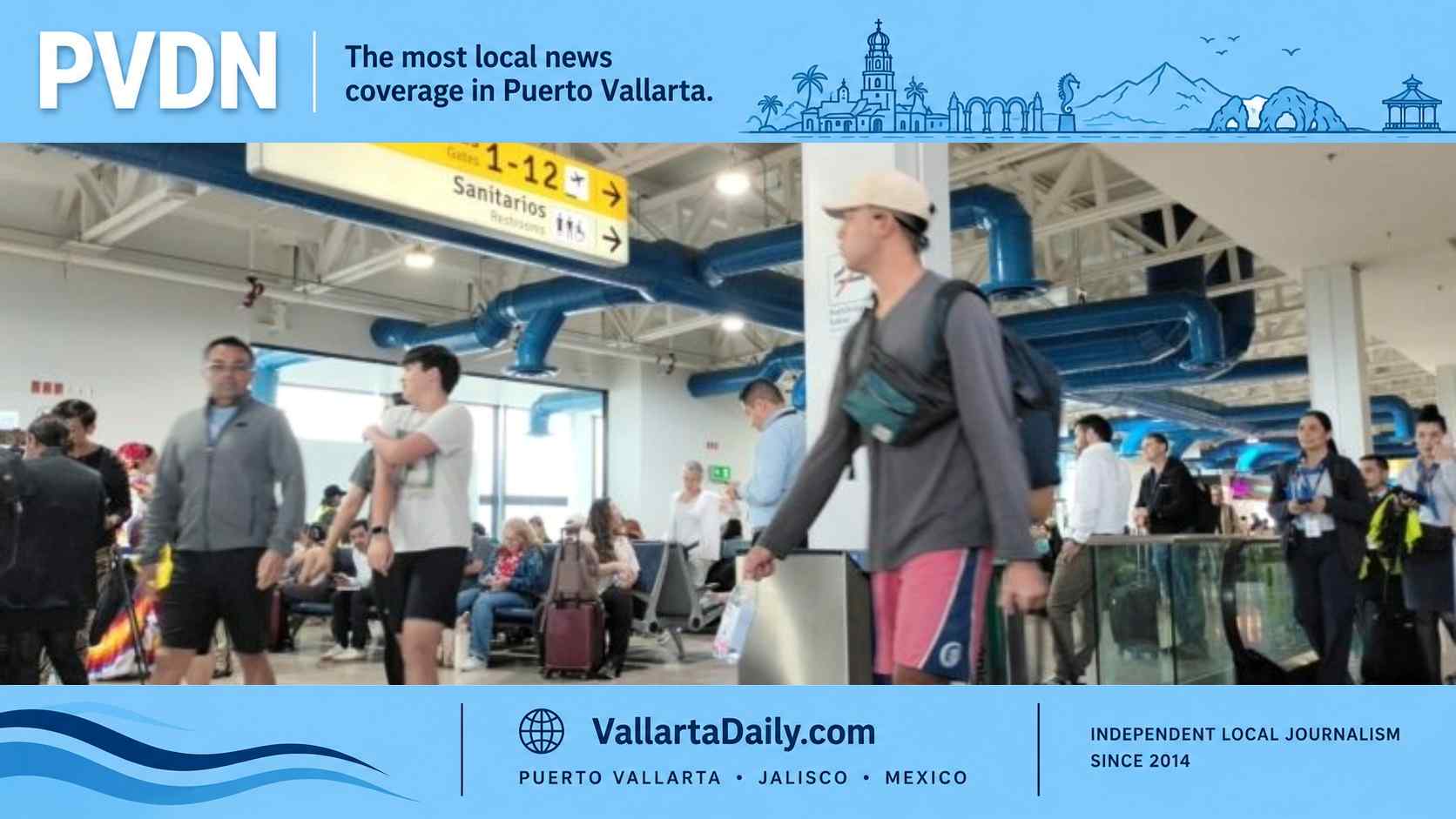
A winter that usually feels like peak season lived up to its reputation—and then some. Tourism officials say Jalisco closed the 2025/2026 holiday break with a noticeable bump in visitors, and Puerto Vallarta rode that wave with its own gain. But the headline percentages hide the more interesting question: where did the extra demand land, and what did it spend? From fuller hotel lobbies in the city to packed flights into the bay, the numbers suggest a shift that could shape how 2026 plays out.
A stronger winter break for Jalisco
Jalisco tourism officials say the 2025/2026 winter holiday period delivered roughly 1.6 million visitors, marking a 4% increase over the same stretch a year earlier. The bigger headline, though, may be the money: tourism spending for the period was reported at about 4.5 billion pesos, up 5.3%. In other words, the state didn’t just see more people—it saw stronger consumption per visitor, a key signal for restaurants, tours, transportation, and the wider service economy.
Those gains also showed up in hotel performance. Average statewide occupancy was reported at 62%, about five points higher than last year. For travelers, that reads like a busier-than-usual season. For residents—especially expats who feel the city change when high season hits—it translates into fuller roads, tighter reservations, and the familiar sense that the calendar is turning toward spring with momentum still in the air.
Puerto Vallarta’s visitor bump came with a bigger payoff
Puerto Vallarta matched the state’s growth in visitor volume, also posting a 4% increase during the winter break. But the economic impact on the beach destination rose faster. Officials put Vallarta’s tourism spend up about 6%, a reminder that even modest gains in arrivals can translate into a much larger lift when hotels run close to capacity, and visitors stay longer, dine out more, or book higher-priced experiences.
A more detailed breakdown of the winter period puts Vallarta’s visitor total above 315,000, with tourism spending topping 2.24 billion pesos. Hotel occupancy averaged roughly 87%, and higher-end properties pushed even further, surpassing 90% in the four- and five-star category. The cruise season added another layer of volume, with December arrivals rising and more than 70,000 cruise passengers reported for the month. For locals, that mix matters: airport arrivals drive the longer-stay market, while cruise days concentrate crowds into a few intense hours, reshaping the rhythm of the Malecón and downtown.
Air connectivity helped, and the calendar did too
Tourism officials pointed to a simple driver behind the winter lift: more direct flights and better frequency, especially from Canada and the United States. That matches what airlines and airport officials have been signaling for months as the season ramped up. New Canada routes, seasonal adds, and expanded schedules can create demand rather than simply “serve” it—making it easier for travelers to choose Vallarta over competing beach markets or to add a quick mid-winter escape without complicated connections.
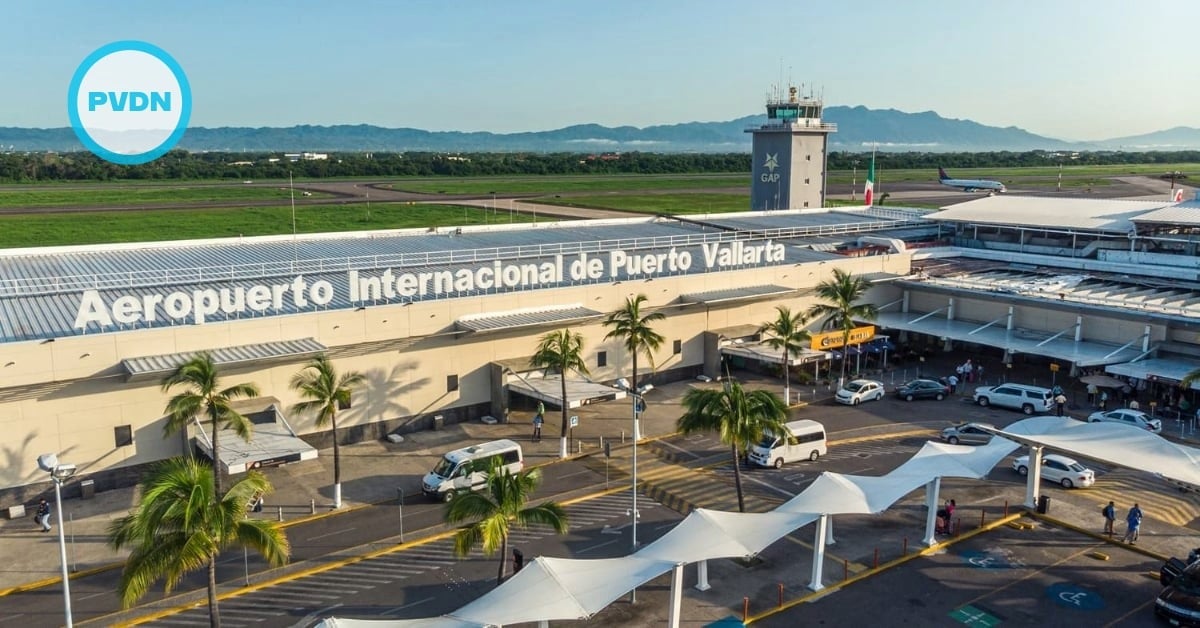
Puerto Vallarta’s airport entered the 2025–2026 high season with an unusually large network in play, and airport leadership has publicly tied the winter push to both new routes and a steady expansion strategy. For Jalisco broadly, Canada has been a key growth lever, with new and expanded winter schedules positioned to keep seats full through the coldest months up north.
The holiday calendar also did its part. Officials said the destination benefited from Christmas and New Year programming—exactly the kind of public-facing schedule that turns a “good week” into a must-travel window, especially for families and friend groups booking around fixed vacation time.
What this could mean heading into 2026
Zoom out, and Jalisco’s winter performance fits into a broader national story: Mexico’s tourism authorities projected a stronger end-of-year season overall, with hotel demand rising year over year. Jalisco’s advantage is that it can sell multiple Mexicos at once—urban culture and events in Guadalajara, beach escape in Vallarta, and smaller inland getaways that pull weekend travelers out of the city.
That diversity matters going forward. As air connectivity grows, the question becomes where the state’s capacity expands next: not just in hotel rooms, but in airport throughput, road access, water and sanitation systems, and the everyday services that determine whether growth feels like prosperity or pressure. For expats living in Puerto Vallarta, the next high seasons may increasingly look like this one—more seats, more visitors, and higher spending—along with the very practical side effects: longer lines on travel days, heavier traffic during holiday peaks, and a housing market that continues to feel the pull of global demand.
What’s clear from this winter’s numbers is that Vallarta didn’t just get busier. It got more valuable per visitor. And that detail—more than the percentage increase—may be the real headline for 2026.