A pre-dawn federal operation in Tapalpa set off a fast-moving chain reaction across Jalisco. Within hours, drivers were reporting burning vehicles, sudden road closures, and scattered clashes far from the original scene. The state government moved to “Code Red,” signaling a full security coordination response to limit harm to civilians. For residents in Guadalajara and Puerto Vallarta, the immediate story was disruption: blocked arteries, transit uncertainty, and the fog of unverified claims spreading online faster than official updates.
Federal operation in Tapalpa prompts Code Red response
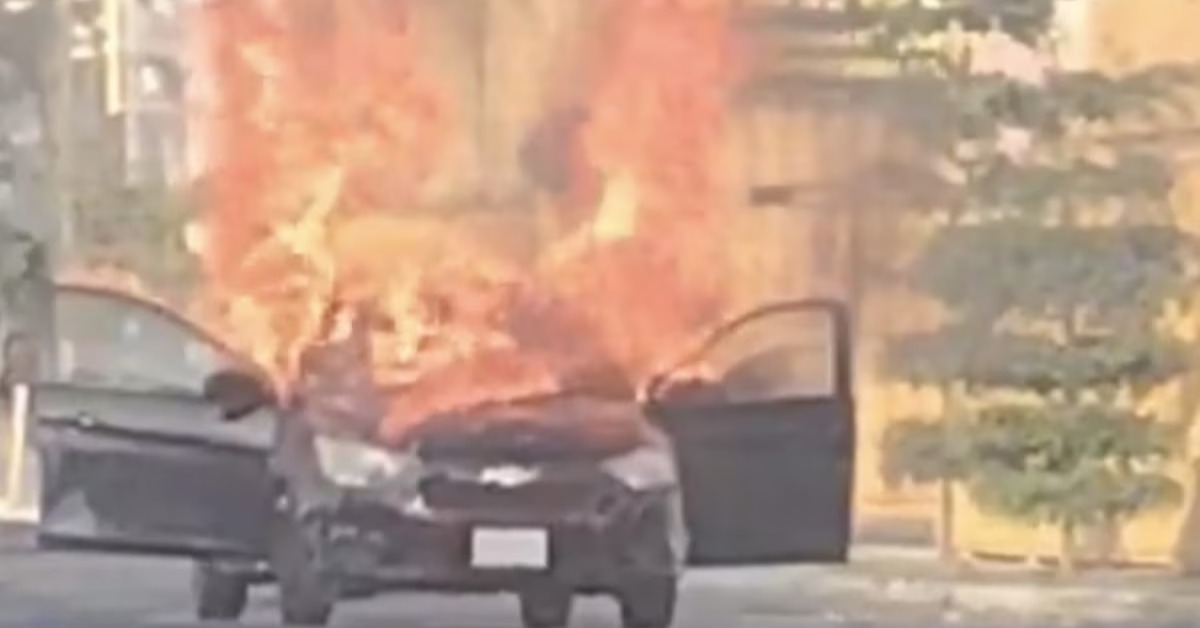
Jalisco’s state government activated a red alert on Sunday, February 22, 2026, after a federal security operation in Tapalpa triggered roadblocks and violent incidents in multiple areas. Governor Pablo Lemus said vehicles were burned and used as barricades to hinder authorities, and he ordered an immediate security coordination meeting with federal, state, and municipal officials. The stated goal of the alert was to prevent acts that could endanger the public while authorities responded to the unfolding situation. Early reports tied the flare-up to the Tapalpa operation, a municipality in the state’s southern highlands that is also a tourism draw. As the day developed, officials emphasized coordinated action and asked the public to follow official channels, amid widespread circulation of rumors and partial information online.
Guadalajara and Puerto Vallarta report major disruptions
In Guadalajara’s metropolitan area, multiple reports described burning vehicles blocking key routes and disrupting traffic flow. Several incidents were reported near major connectors and transit corridors, creating bottlenecks and complicating emergency access. At the same time, Puerto Vallarta saw reports of public buses being set on fire in the city center, alongside scattered accounts of chases and gunfire in the Ixtapa area. The combined effect was a sense of sudden instability across two of Jalisco’s most visible urban zones, one a state capital and the other a major beach destination with a large foreign resident population. Authorities did not frame the incidents as isolated, and the public messaging focused on containment, mobility impacts, and protecting civilians. With information changing quickly, many residents relied on real-time updates about which roads were blocked and which areas were being secured.
Reports spread beyond the metro areas
Beyond Guadalajara and Puerto Vallarta, reports described roadblocks and vehicle fires in municipalities across southern and western Jalisco, including areas that connect the coast, inland towns, and routes toward neighboring states. Places mentioned in early reporting included Tecolotlán, Tapalpa, Ayutla, Talpa, and El Tuito, as well as key junctions that can affect regional travel. Some coverage also described impacts outside Jalisco, reflecting how highway disruptions can cascade across state lines when major routes are obstructed. For residents and travelers, the practical consequence was uncertainty about road safety, travel times, and service interruptions. Officials urged people not to amplify unverified information and to yield to emergency vehicles, a reminder that misinformation can create secondary risks during security incidents. The operational picture remained fluid, with the most reliable details coming in fragments as authorities worked to clear routes and restore normal movement.
Separate arrest in Tala adds to the information noise
The Sunday events unfolded against the backdrop of a separate federal case in Jalisco reported earlier, involving the arrest in Tala of a woman identified by authorities and media as “La Leona,” described as an alleged recruiter linked to the CJNG and associated in reporting with the Rancho Izaguirre case. Coverage of that arrest noted that it fueled speculation and false claims online, which officials and journalists sought to correct. While the Tapalpa operation was presented as the direct trigger for the day’s roadblocks, the overlap of separate security developments contributed to confusion about exactly what prompted the escalation and what outcomes authorities achieved. For expats and other non-local residents, that mix of simultaneous narratives can make it harder to distinguish between confirmed facts and assumptions, especially when social media posts circulate without context. Officials’ repeated emphasis on official updates reflected that reality as much as it did the security response itself.