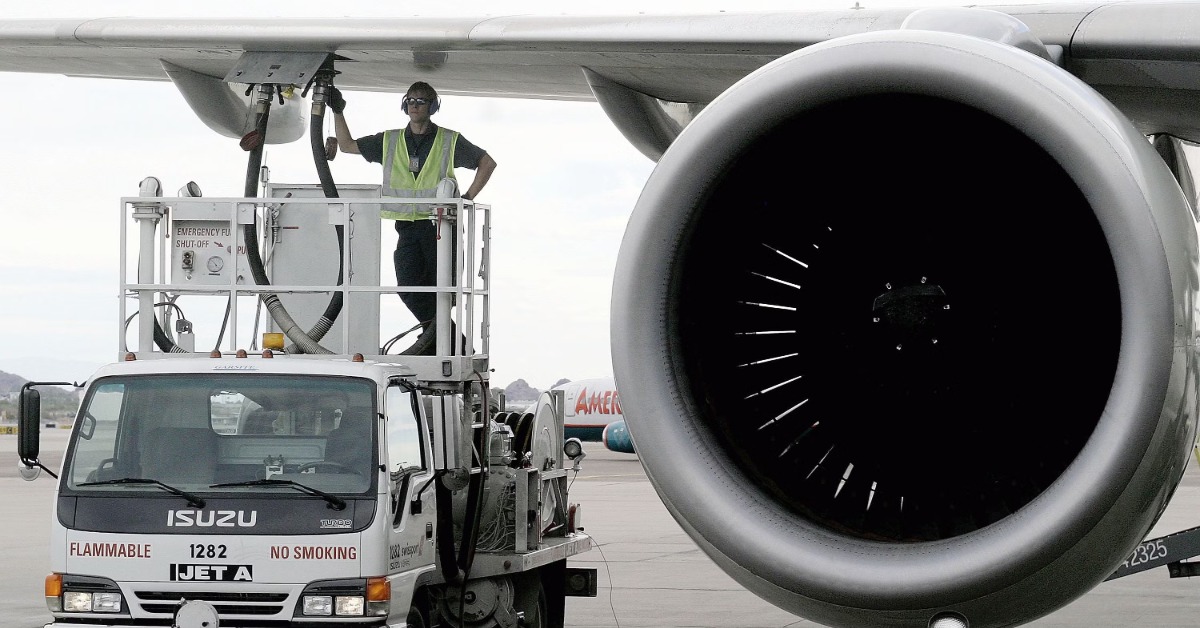
A sharp rise in jet-fuel prices is becoming a new concern for Puerto Vallarta, where business leaders say higher airline costs could eventually make trips to the destination more expensive. The warning comes from Coparmex Puerto Vallarta, which says the recent increase in turbosina is large enough to put pressure on the full tourism chain, even if the first impact is felt in airline operations.
For now, the message is one of caution, not disruption. Local business leaders say they are not seeing confirmed route cancellations to Puerto Vallarta at this stage. Air connectivity, they say, remains stable, with arrivals and departures holding steady through the week and on weekends. That matters because the city depends heavily on visitors who arrive by plane, especially from outside Jalisco and from abroad.
Why a fuel increase matters so much in aviation
The reason this story matters is simple. Fuel is one of the highest costs in commercial aviation. When it rises quickly, airlines have limited ways to respond. They can absorb part of the increase for a while, use hedging contracts to delay the hit, adjust fees, or push some of the cost into fares. Usually, the effect is not immediate across all routes, but a sustained increase tends to work its way into ticket prices.
That makes Puerto Vallarta especially exposed. The city’s tourism economy does not depend only on hotel occupancy. It depends on how easy and affordable it is for visitors to get here in the first place. GAP, the airport operator, reported that Puerto Vallarta handled 731,700 passengers in January, up 2.6% from a year earlier. In a market that relies so much on air access, even modest fare increases can shape demand.
The pressure may already be showing up in broader price data
The concern in Puerto Vallarta also aligns with broader national data. INEGI’s March inflation report showed that air transport was one of the items with the largest upward price impact that month. That does not mean every ticket to Puerto Vallarta rose the same way, or for the same reason. But it does show that aviation-related costs were already moving higher in Mexico before local business leaders issued this warning.
That broader context helps explain why the local business sector is taking the issue seriously. A fuel spike does not remain confined to the airline industry for long. If fares rise, travelers may change their behavior. Some delay booking. Some shorten trips. Some keep the trip but cut spending after arrival. In a city built around visitor spending, that second round of effects can matter almost as much as the airfare itself.
What this could mean for travelers and local businesses
For travelers, the most likely short-term effect is not a collapse in flights. It is a quieter shift in pricing. Promotional fares may become harder to find. Last-minute bookings may become more expensive. Travelers comparing beach destinations may also become more price-sensitive if the total cost of getting to Puerto Vallarta moves up.
For local businesses, the risk is broader. A higher flight bill can reshape the visitor profile before anyone cancels a route. A family may trim the length of a stay. A couple may downgrade a hotel. A traveler may skip a tour, eat out less often, or spend less on transportation and shopping. That is why local business leaders describe the issue as pressure on the tourism supply chain, not just on airlines.
The timing matters for Puerto Vallarta
This warning also comes at a delicate moment. Local business leaders have already been talking about a shift toward shorter stays and more weekend-heavy demand. If getting here becomes more expensive, that pattern could deepen. Puerto Vallarta would still receive visitors, but a larger share of them could behave more cautiously upon arrival.
That distinction matters for how the city reads tourism numbers. A destination can still post decent occupancy and airport traffic while local businesses feel less spending on the ground. In other words, more expensive air access does not always show up first in the passenger count. Sometimes it appears in shorter trips, later bookings, and tighter budgets once visitors are already here.
A warning sign, not a confirmed setback
At this stage, the cleanest way to read the story is this: Puerto Vallarta is not facing a flight crisis today, but it is facing a clear cost warning. Business leaders are watching the next few weeks for signs that higher jet-fuel costs start feeding into airfare, travelers’ decisions, and local spending patterns.
That makes this more than an airline story. It is a tourism resilience story. If fuel prices ease, the pressure may stay limited. If they remain elevated, Puerto Vallarta could start to feel the effects in ways that go beyond the ticket price. For residents, frequent flyers, and businesses tied to tourism, the issue to watch now is not whether flights are still coming. It is whether the cost of reaching Puerto Vallarta begins to change how people travel here.